Latest editorial
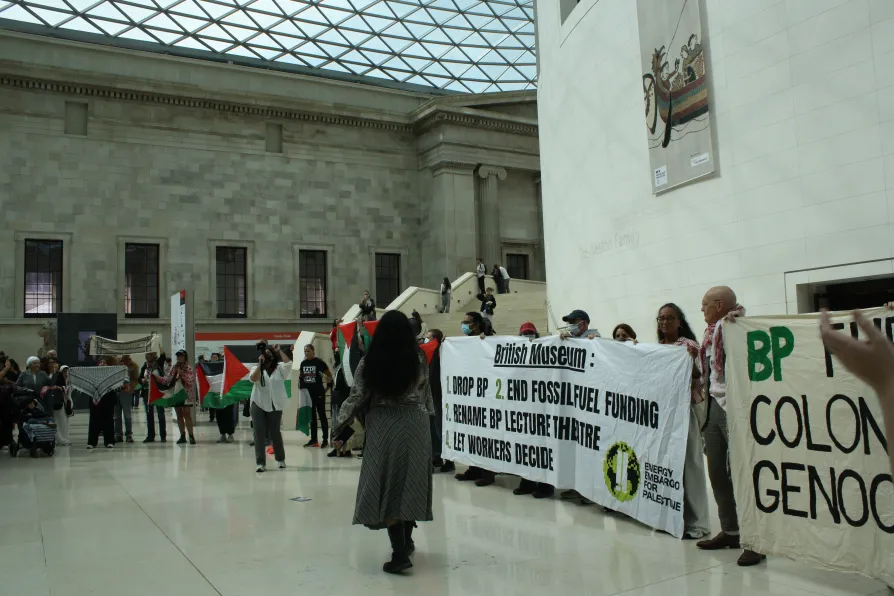 Pic: Energy Embargo for Palestine





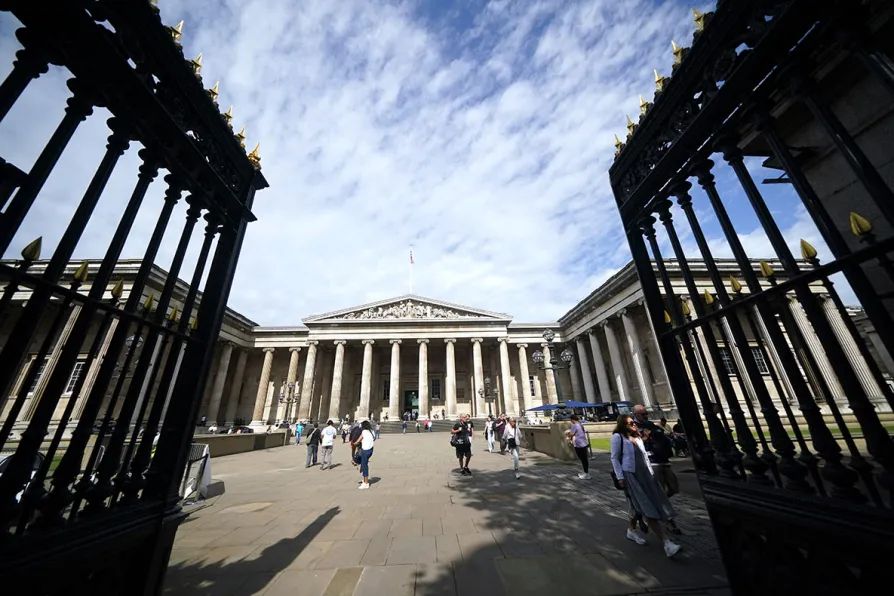
ACTIVISTS disrupted the opening of the Bayeux Tapestry to the public, demanding that the British Museum sever its ties with oil giant BP.
Members of Energy Embargo for Palestine occupied the museum’s Great Hall on Saturday, urging management to consult with its staff on all future partnerships.
As well as the 10-year £50 million sponsorship with BP, they also slammed the British Museum for a recent collaboration with Belarusian billionaire Igor Tulchinsky, a key sponsor of the Bayeux Tapestry exhibit.
Activists also voiced concerns over Mr Tulchinsky’s alleged funding of a community centre in Effrat, an illegal Israeli settlement in the occupied West Bank.
Green Party leader Zack Polanski called for a government investigation into the financial partnership between the Belarussian billionaire and the museum, following a report from Middle East Eye into dealings with Israeli settlements.
After Foreign Secretary Ed Miliband announced sanctions on illegal settlements in the Palestinian territories last week, campaigner Lila Azad said: “The museum still insists on partnering with billionaires invested in illegal Israeli settlements.
“The museum has a track record of aligning itself with billionaires and energy companies fuelling genocide and climate breakdown.
“We demand that the British Museum discloses full transparency on Tulchinsky’s sponsorship and that they end their partnership with BP, a company fuelling genocide in Palestine.”
Energy Embargo for Palestine demanded the end of the BP partnership, a democratic staff-led decision-making on future events and partnerships, the renaming of the BP lecture theatre, and a statement committing to no more fossil fuels or arms industry funding.
The group has also announced plans to unveil a People’s Tapestry, in collaboration with the Camden People’s Museum and Camden Friends of Palestine and featuring the Camden community’s vision for how history can be exhibited.
The British Museum was contacted for comment.

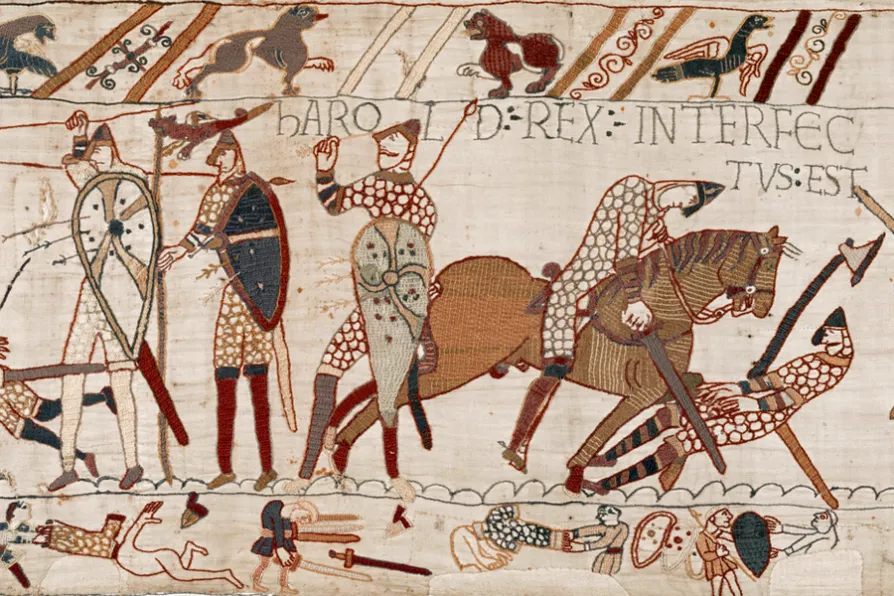
STEPHANIE BROWN draws attention to the hidden labour of the female embroiderers, and how a 19th century replica made no such error