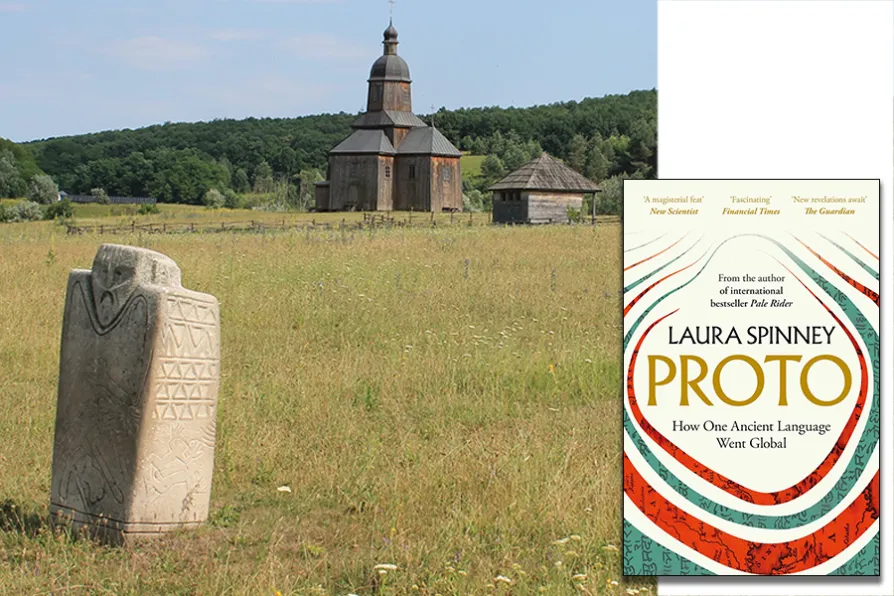
KEN COCKBURN traces the one original language – that of the Yamnaya pastoral nomads – from which all European and Indian languages derive


 Latest editorial
Duchamp: midwife of conceptual art
ANDY HEDGECOCK relishes an enlightening and witty biography of one of the 20th century’s most restless and influential artists
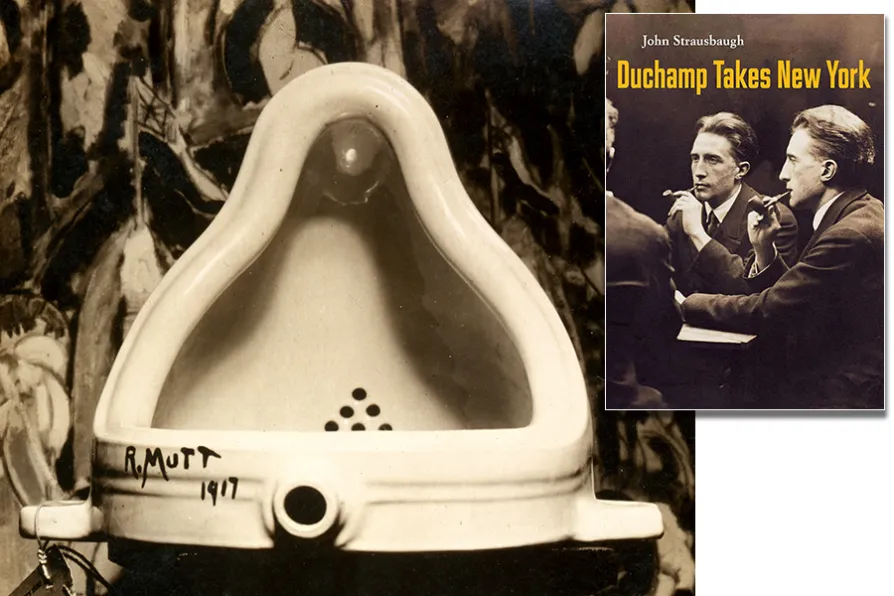 Marcel Duchamp, Fountain, 1917, photograph by Alfred Stieglitz at the 291 Art Gallery. The original work of Duchamp is now lost or destroyed as well the negative of the Stieglitz image. [Pic: Public Domain]
PAUL DONOVAN is fascinated by the debunking of the iconic British war hero
ALEX HALL recommends a searing panorama of our global predicament
Comics are not just superheroes and spandex – it can be public art, telling public stories, suggests HARRIET EARLE
ALEXEI SAYLE speaks to Angus Reid about a lifetime of protest, how to hone political art – and what to do now
The bard serenades the Diggers of Wigan and their festive followers





Duchamp Takes New York
John Strausbaugh
OR Books, £15
IN 1917, Marcel Duchamp’s best-known work — called Fountain — was rejected from an exhibition he helped to organise. However, this found-object artwork, consisting of a urinal bearing the signature “R. Mutt”, played a critical role in shifting the focus of avant garde art from the province of aesthetics to the domain of ideas.
John Strausbaugh’s latest book considers Duchamp’s influential and iconoclastic oeuvre in the context of his life, particularly the 34 years he spent in New York, his adopted city. Strausbaugh emphasises processes rather than objects and, in doing so, illuminates the extent to which the artist’s interaction with his milieu became another form of subversive art.
For example, the book explores the possibility that Fountain was sourced and signed by another artist, setting the controversy in the context of Duchamp’s behaviour, methods and philosophy.
We also learn that the artist sometimes had a less than precious attitude to his exhibits. The Bride Stripped Bare by Her Bachelors, Even — a composition in glass, wire, lead foil, varnish, oil and accumulated dust that tackled themes of sex and mechanisation — occupied Duchamp from 1915 to 1923. He grew bored of the project and when the glass was shattered in transit, declared the resulting cracks a part of the artwork.
The pace and energy of Strausbaugh’s writing is breathtaking. For example, the opening chapter includes an express tour of American art history; a frugal retrospective of Duchamps’s upbringing, early work and artistic development; and character sketches of the movers and shakers of the New York art scene in the 1910s.
It also assesses the impact of Duchamps’s breakthrough work, Nude Descending a Staircase, No. 2, a painting that captured the dynamic energy of a machine-like human figure. At the New York Armory show of 1913 it epitomised the stylistic and thematic departures of shocking new art. This exhibition, Strausbaugh asserts, transformed the way Americans looked at and made art for ever.
These early pages establish the pattern for the rest of the book. It is exhilarating and packed with enthralling detail.
It is, however, less impressive in supporting further exploration of the people, artistic developments and controversies it covers. It includes a list of further reading, including internet resources, but there are no specific citations and references. As a result, it’s very difficult — and in some cases impossible — to further investigate the quotations that pepper the text.
There’s another frustration. Strausbaugh highlights the vital influence of the built environment and social milieu on Duchamp’s life in New York and the development of his work. The various locations and extensive cast of characters inevitably inspire rereading of specific passages. This becomes onerous in a book with no index.
However, if the author’s objective was to create an absorbing, enlightening and witty summary biography of one of the 20th century’s most restless and influential artists, he succeeds in all respects.
There’s an apparently chaotic vibe to Strausbaugh’s analysis — the book is packed with entertainingly digressive anecdotes — but it is underpinned by a meticulous chronological structure and clarity of focus. The unifying themes are Duchamp’s rejection of traditional “retinal” art (based on visual appeal) in favour of metaphysical enquiry and his calculated independence from the New York arts establishment.
The assessments of Duchamp’s work are excellent, but it is people who bring the book to life. The examination of the artist’s relationship with friends, lovers and work is unflinching — he was feckless and fiercely loyal by turns. Strausbaugh reveals chequered relationships with the Abstract Expressionists, and the Cubists, and introduces some fascinating individuals — artist and potter Beatrice Wood, modernist painter Florine Stettheimer, composer John Cage, and Elsa Baroness von Freytag-Loringhoven, avant-garde artist, poet and irrepressible exhibitionist.
The book has just two illustrations, so it pays to read it in conjunction with an online search engine. Nonetheless, it is a thoroughly enjoyable foray into the life of Marcel Duchamp and the cultural history of 20th-century New York.

Similar stories
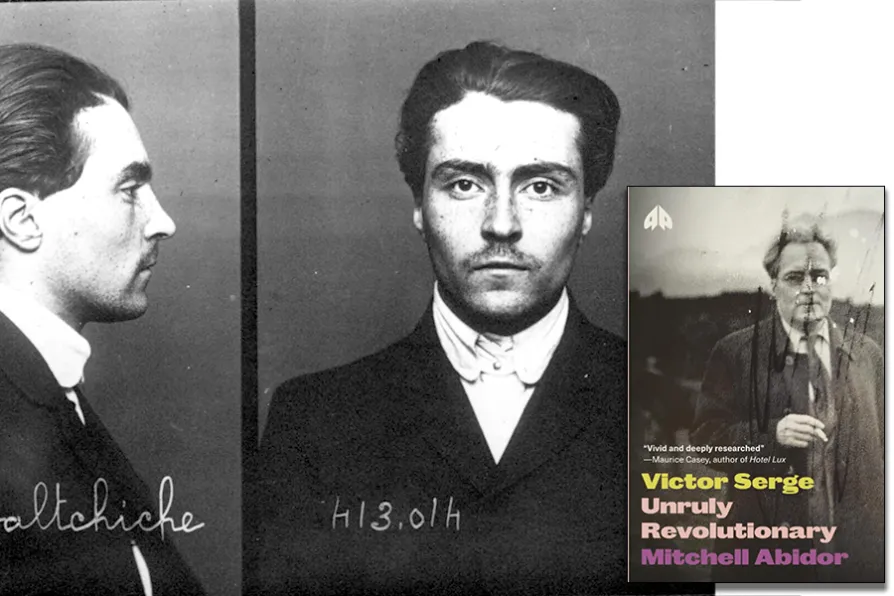
HENRY BELL salutes a fine portrait of a revolutionary who remains a deeply significant and provocative figure
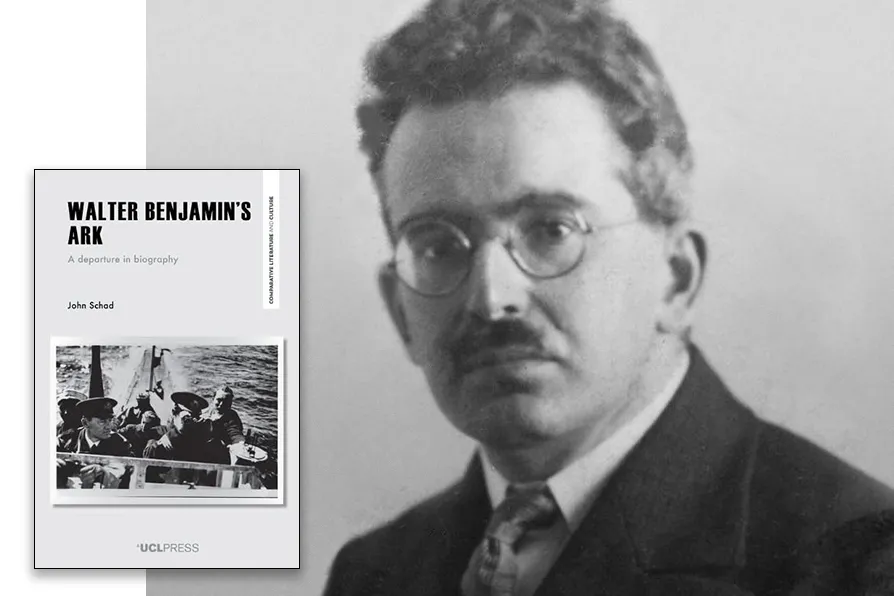
GORDON PARSONS is intrigued by a biography of the Marxist intellectual and author, made from the point of view of his son
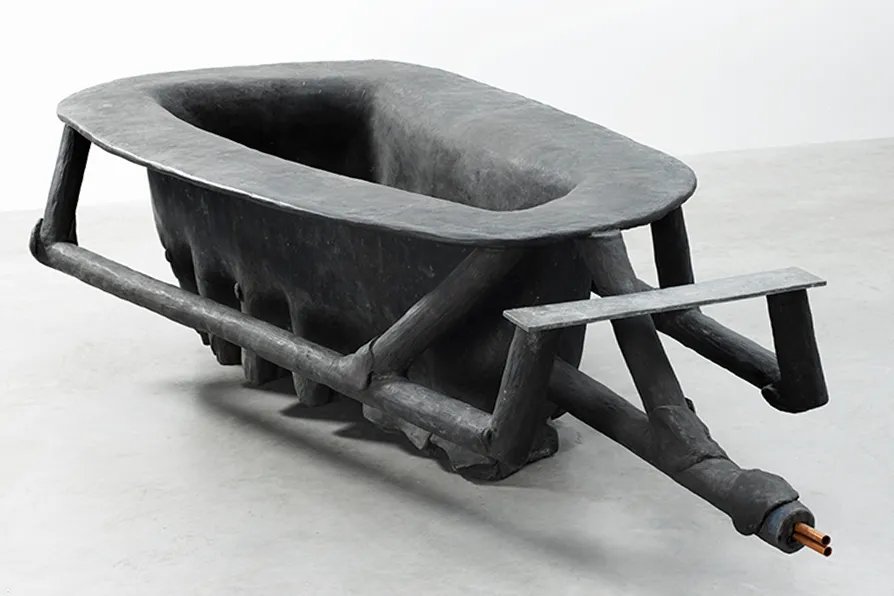
JAN WOOLF ponders the works and contested reputation of the West German sculptor and provocateur, who believed that everybody is potentially an artist
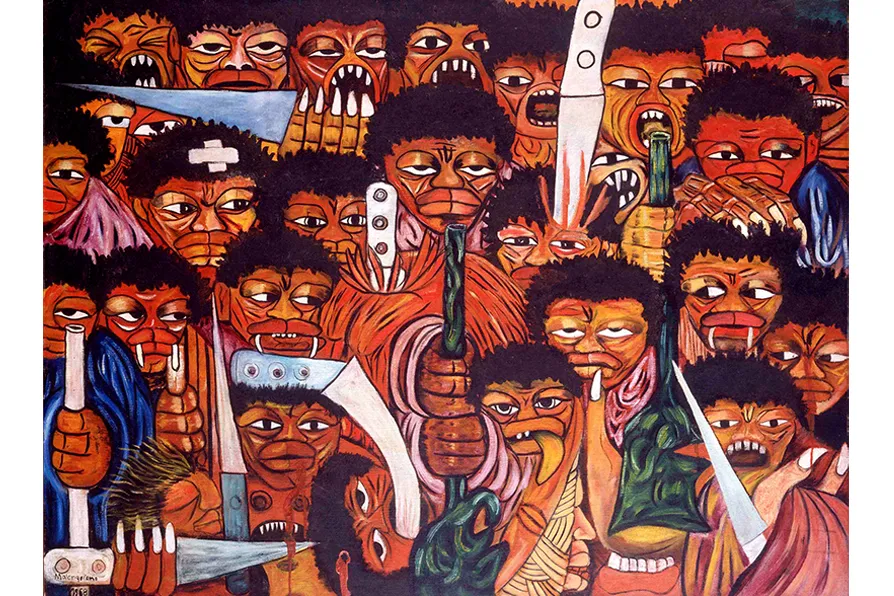
JOHN GREEN welcomes a remarkable study of Mozambique’s most renowned contemporary artist