Latest editorial

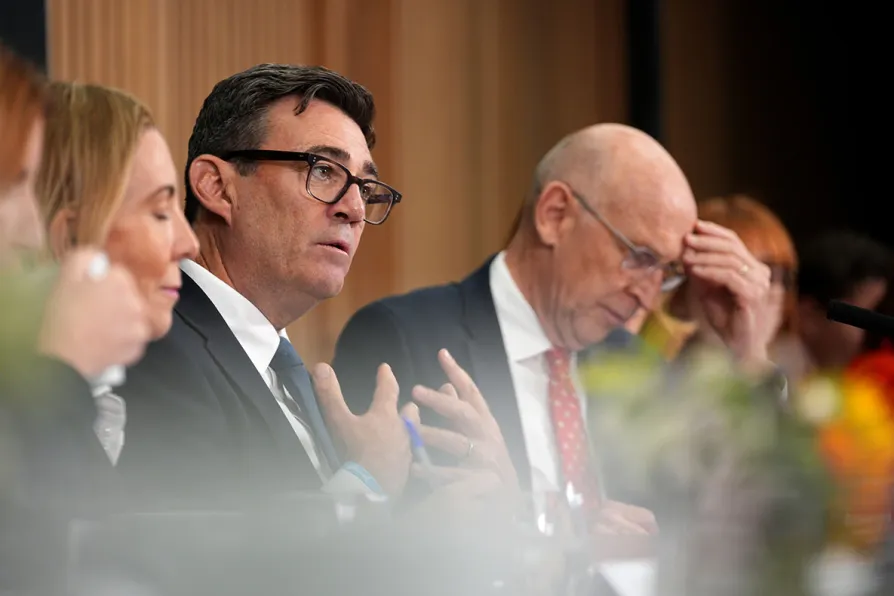
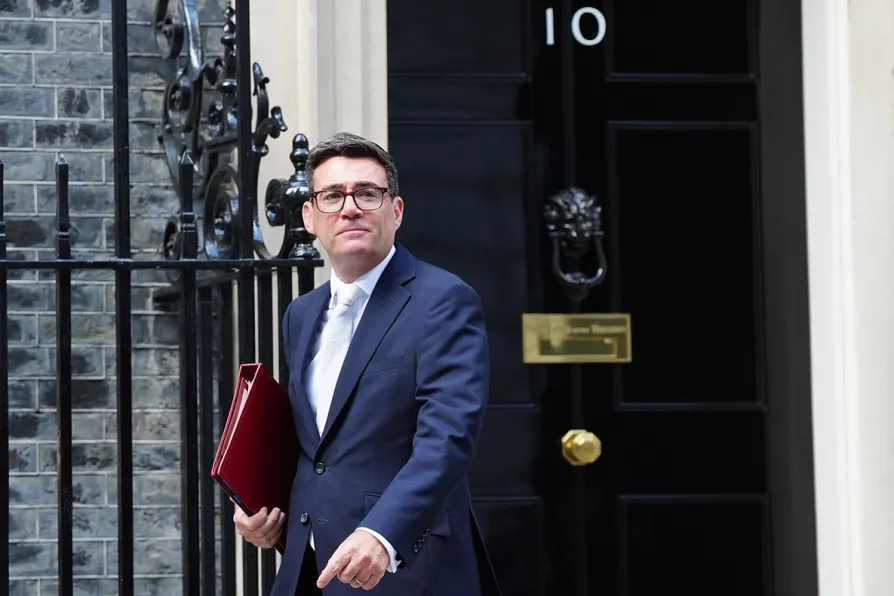
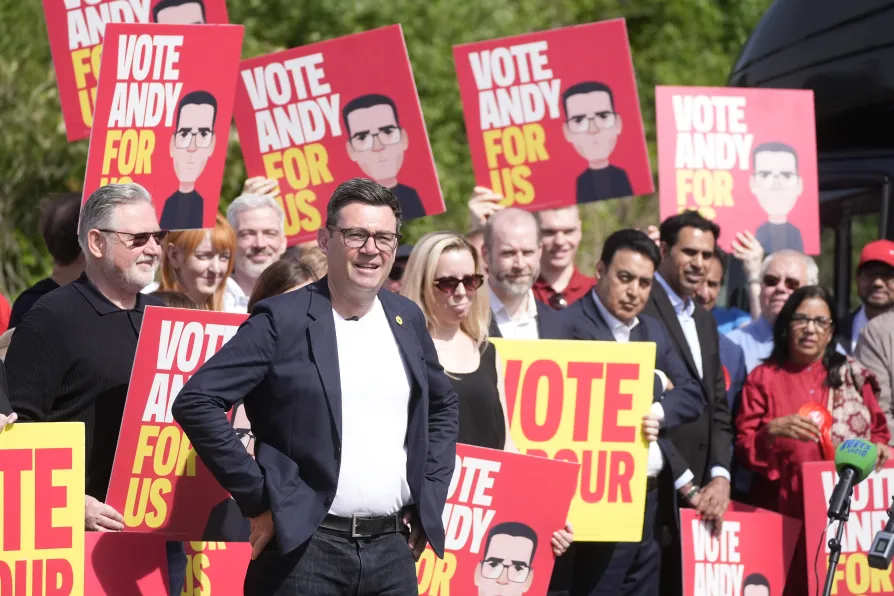 Andy Burnham surrounded by Labour Party supporters at the launch of his campaign as Labour's candidate for the Makerfield by-election, Greater Manchester, May 22





FOR those who have suspended judgement on Andy Burnham’s premiership, next month’s Budget is surely the make-or-break moment.
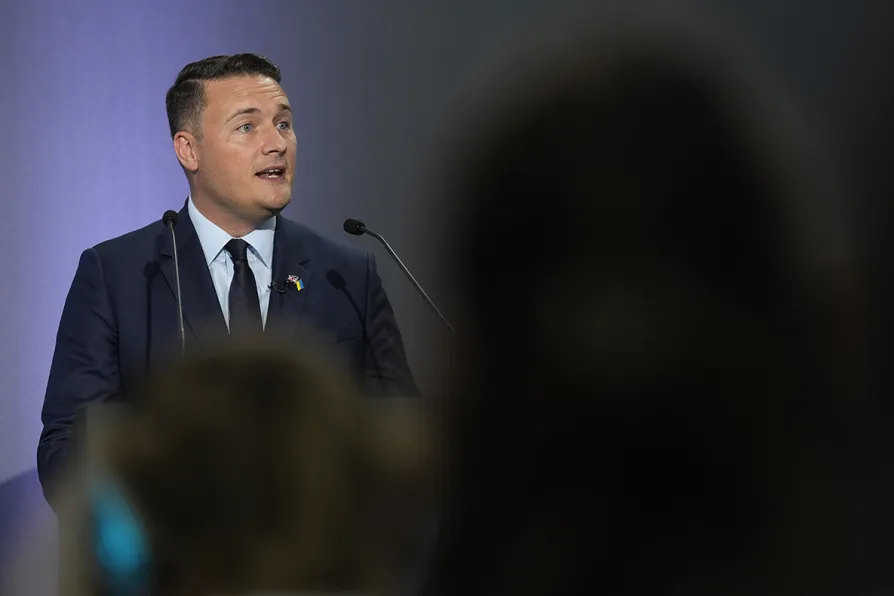
And battle is now joined over its contents, which are in the hands of Burnham’s appointee as Chancellor, the low-wattage, safety-first John Healey.
Healey’s hands have been tied, of course, largely by himself and his neighbour at Number Ten. The new government has committed itself to exactly the same budget constraints as the old one – that is, sticking to Treasury rules on debt, Trump’s demands on military spending and Labour manifesto pledges on tax.
The crying need is to break free from this iron triangle which blocks any simple route for advance in tackling Britain’s pressing problems, let alone Burnham’s purported rupture with 40 years of neoliberalism.
As if that was not bad enough, big business is manoeuvring to stop the government taking any other purposeful action that would, however gently, tread on its toes.
This week Burnham himself was lobbied by JP Morgan boss Jamie Dimon against the idea of a windfall tax on bank profits. This is the same Dimon who enlisted the disgraced Peter Mandelson, then business secretary, to help press Healey’s predecessor Alistair Darling against such measures in 2009.
His special pleading should be ignored. The main high street banks in Britain have made a total £200 billion in profit over the last five years, thanks in part to high interest rates.
They can and they should cough up. Likewise, Healey should heed calls coming from the TUC and elsewhere to introduce a wealth tax.
Not only would this raise money, it would be a much-needed step in the direction of greater social equality.
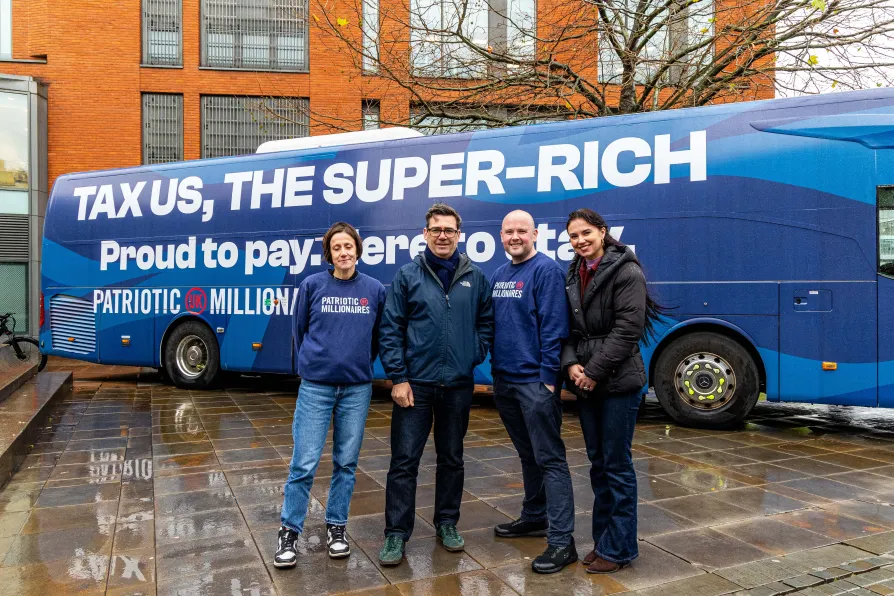
The right-wing media is this week wringing its hands at the news that billionaire Chris Rokos has announced he will flee the country, apparently because of taxation, having paid more than £330 million in tax last year.
He is moving to Greece, which has a tax regime geared to the interests of the super-rich.
It is of course, extraordinary that multi-billionaires enjoying almost inconceivable levels of wealth should seek to move country merely to hang on to a bit more of the cash that they could never spend all of anyway.
Rokos and the like should be studies in the psychology of commodity fetishism under late capitalism, not a guide to economic policy-making. With so many key public services, from the NHS to probation and prisons, crumbling, it is time the rich paid more.
Healey should also consider equalising the rate of capital gains tax with that of the income tax paid by wage-earners. Again, revenue-raising and social justice pull in the same direction, and the fact that Tony Blair has spoken out against it should help clinch the argument.
There are Westminster rumours that Burnham and Healey may opt for a “neutral” Budget without any big changes, deferring the latter for the 10-year plan the Prime Minister has promised to unveil sometime this year.
That would be a mistake. The budget is a landmark event, and the best stage for the new government to set a new course, if indeed it has one. The chance should be seized for a radical policy departure.
9/11 25 years on
Twenty-five years ago the al-Qaida attacks on the US marked the start of the disastrous “war on terror.”
Afghanistan. Iraq. Libya. Syria. Yemen. An unbroken litany of mass murder, epic destruction, human misery and, for the US and British aggressors, ultimate defeat.
As we mark this sombre anniversary, one lesson stands out clear above all – the anti-war movement and the millions who have supported it have been proved right.