
The US administration is endangering lives by reversing environmental protection laws, CHAUNCEY K ROBINSON argues

If we want less reckless young people, we must give them a future worth living for
The five young men killed in the A66 crash were responsible for a devastating tragedy — but the crash should force us to ask difficult questions about wider society, argues RENATA MEDEIROS MIRRA
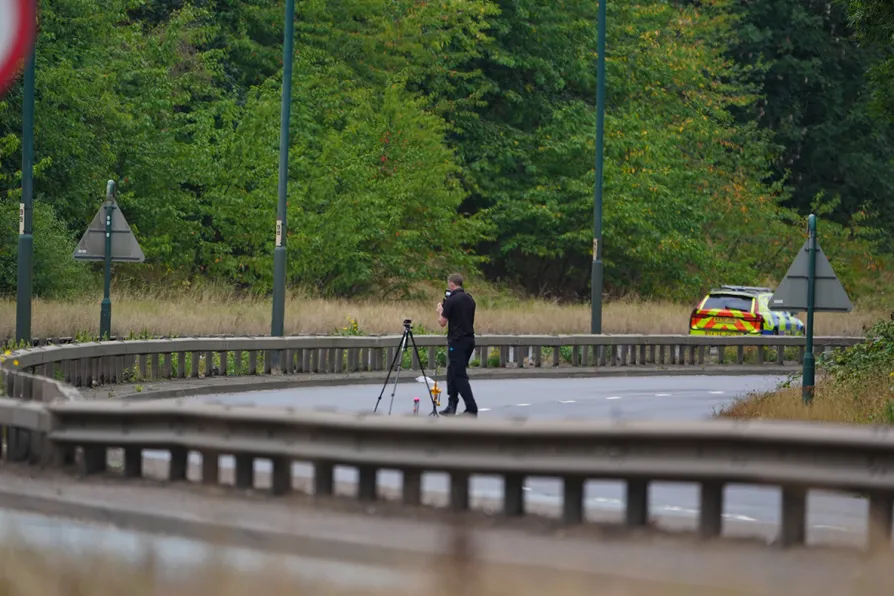
 A police officer at the scene of a fatal crash involving a police car and a Volkswagen Passat on the A66 in South Bank, near Middlesbrough, August 22, 2026
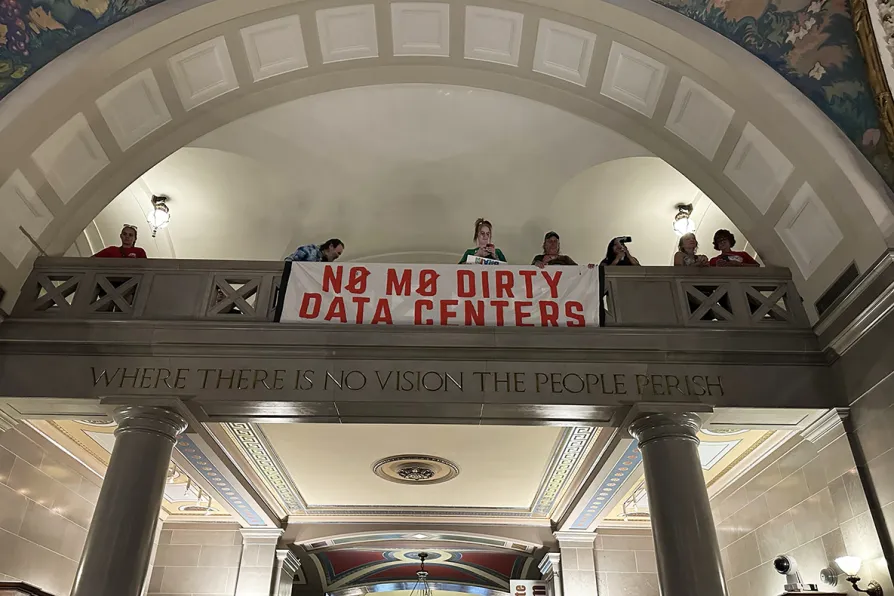
It’s time to stop retreating and go on the offensive to promote working-class interests, argues DOUG NICHOLLS
Marco Rubio wants to defeat socialism in Nicaragua, not restore ‘democracy,’ writes JOHN PERRY
Believe it or not, there was a time when the US government built beautiful homes for working‑class Americans to deal with a housing shortage, writes ERAN BEN-JOSEPH
DIANE ABBOTT provides an analysis of the reasons for EU and British voters’ dramatic swing to the right
Train drivers’ union Aslef general secretary DAVE CALFE speaks to Ben Chacko about his hopes that Burnham’s devolution agenda will include the importance of the railway





THE media coverage and average conversation around the A66 crash that killed seven people tells us everything that is wrong about a society that does not care about the death of five of them.
I know how kind and loved the two police officers were, how one of them coached youth football teams, how diligent they were in their jobs, how they were seen as role models. I know of all the sympathy they’re receiving, the flowers, the messages of support and fundraising for the families. I feel for them and their families, and all this support is heartening.
Less heartening is that all I know about the five young men who were also killed is their names and ages, ranging from 17 to 23. I also quickly learnt that four of them had previous convictions. I initially had to actively search them up so that I could stare at their faces and imagine what was beyond. Imagine that they too had families and friends who loved them and deserve sympathy, that they probably also enjoyed playing football, that they had dreams of their own, that they need not be defined only by their worst moments.
Sure, they were the ones who caused the fatal accident, and they certainly seem far from the perfect adjusted citizen. But one only needs to look around to see so many young people lost and hopeless in a society that does nothing for them except sell them ideals of war and violence.
From minister Anna Turley we heard: “I was really shocked, really devastated, and I just can’t imagine what the families are going through. It’s unimaginable grief to have parents, husbands, not come home from work.”
As far as I’m aware, none of the young five occupants of the car were parents or husbands, but for any absence of doubt, she continued: “And it just reminds us every day about the bravery of our police officers who are out there, protecting us, keeping us safe, putting themselves on the line, running towards danger.”
Not a single thought for the families of the youth of this country being let down by consecutive governments that should protect them. Frankly, it feels inhumane.
I wonder what kind of society this is when we are not in the least curious to what makes five young people crash their car into death. What kind of hope did they have for their future to do that? And how did we get to this point?
One thing the news is giving us, is that this is not an isolated case. We’re learning that road safety statistics are showing a rising trend in dangerous driving among young people.
We are bombarded with disturbing TikTok videos showing young men engaging in a myriad of dangerous behaviours. In response, the government acknowledged the need to challenge social media companies that platform videos which encourage dangerous driving.
Social media companies are to blame for many problems we currently face, and the lack of legislation and government control is concerning, but it’s hard to believe that anyone would find rest in blaming social media if they were genuinely looking for the truth.
A look at some basic statistics tells us that the UK youth unemployment rate hit 16.2 per cent this year (representing one in six young people). For context, this is more than triple the national all-age unemployment rate of 4.9 per cent and its highest level for 11 years.
The percentage of all those aged 18 to 24 years who are not in education, employment or training (Neet) is 15.2 per cent and, again, marks the highest volume of Neet youth the UK has seen in over a decade. Furthermore, the UK ranks poorly in relative income mobility (the likelihood of outearning your parents if they were low-income) and is seeing a sharp decline in housing mobility due to stagnant real wages and soaring property costs. Research published by the Institute for Public Policy Research (IPPR) indicates a record number of youth fear long-term unemployment. The IPPR also estimates that 40 per cent of young women and 30 per cent of young men experience poor mental health. Crucially, among those with poor mental health, only 24 per cent believe they have a good chance of succeeding in life, compared to 48 per cent of their healthier peers.
History teaches us that when people’s material conditions deteriorate, delinquency and criminal behaviour rise, and so does fascism and its many manifestations: misogyny, ableism, homophobia, transphobia, racism, hate. Some lives are worth more than others in societies where poverty, inequality, lack of dignity and hopefulness are the norm, opening the door to ideologies that set us against each other and bring the worse of humanity.
The lives of the five young men who died in the A66 crash are clearly worthless to our society and that should be an uncomfortable mirror for us to face and to ponder where we stand. If we don’t want our youth to behave recklessly, we must give them security and hope. No social media control will take away the anger and despair felt by people with no future.
Security and hope come with real changes to our material conditions, including fair employment, access to secure housing, robust public services, support for the most vulnerable and, not least, an inhabitable planet.
Grieving all the lives lost in that tragic accident means retaining our humanity, assuming our responsibility and taking our place in fighting for a different society where young people can strive. It’s not too much to ask.
Renata Medeiros Mirra is a senior lecturer in statistics at Cardiff University and a trade unionist with Cardiff UCU.

Similar stories



ANNA FISHER explores what would it mean for women’s equality and public safety if Britain embraces full commercialisation of the sex trade
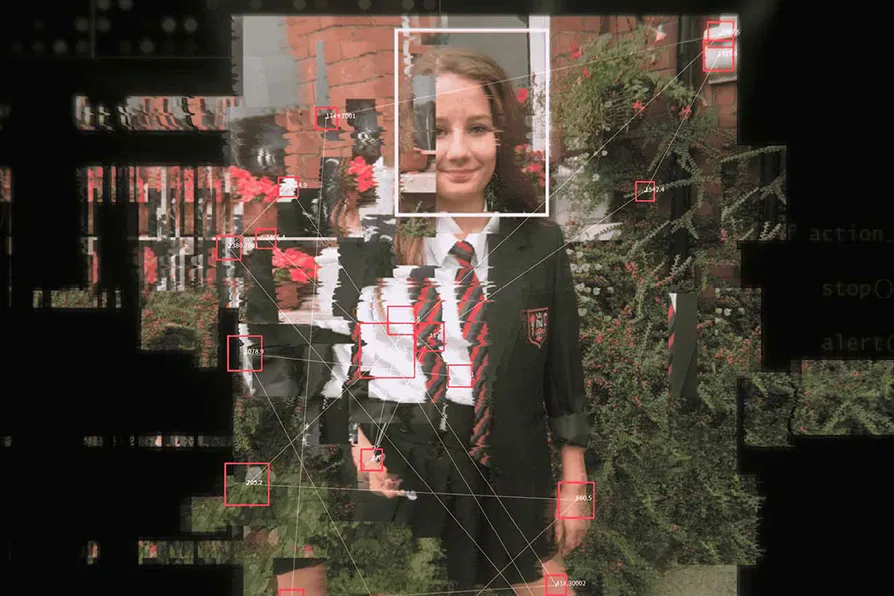
SCOTT ALSWORTH recommends a film that is as informative as it is rage inducing