

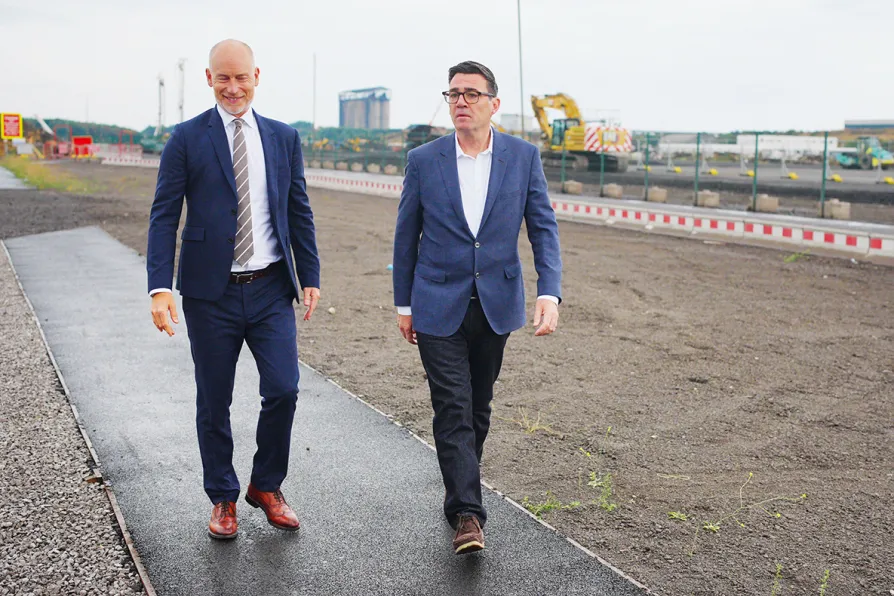
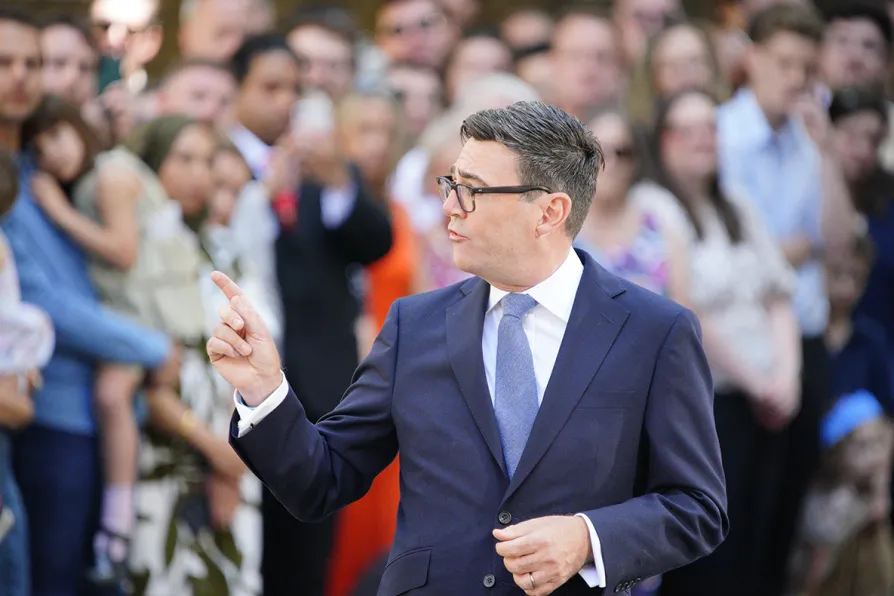
 Secretary of State for Wales Stephen Kinnock (left) and Prime Minister Andy Burnham at Tata Steel in Port Talbot
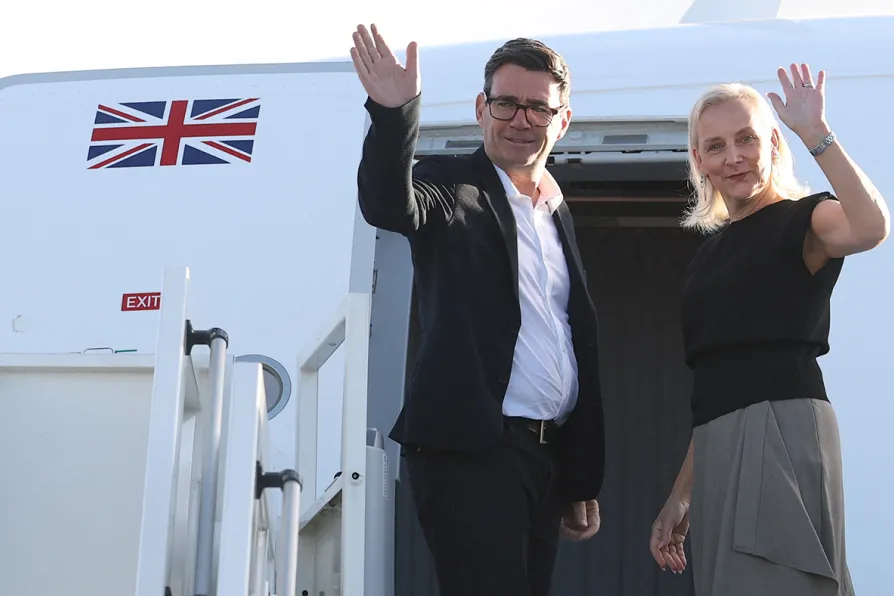





ANDY BURNHAM’S visit to Wales coincided with today’s announcement of current youth unemployment. In Wales 17 per cent of young people available for employment are without work. Figures are worse in London and north-east England. Overall they are higher by 30,000 than the same figures this time last year.
Earlier in the week the Prime Minister announced he was convening the National Economic Council this October, bringing together the first ministers of Scotland, Wales and Northern Ireland to discuss economic development. This council, re-established shortly after Burnham took over as prime minister, was originally set up by Gordon Brown in 2008 in the face of global financial crisis.
We are not yet in such a crisis. But omens are not good. Values in the London stock exchange are up over a third on where they were a decade ago — for a period when there has been virtually no growth in Britain’s economy. And this is not mentioning Elon Musk, the AI speculators, arms spending and Trump’s wars.
However, for the young people in Wales, and all other places, what really matters will not be what happens next year but during their working lives: the next 40 years. Here three reports published over the last month by the Institute of Public Policy Research (IPPR) are of particular importance.
The first, by William Ellis and Carsten Young, is on “Why We Need a Better Fiscal Framework.” They calculate that, on current projections, interest payments on government debt, will increase from the current 7.6 per cent of tax income to anything between 21 and 47 per cent over the next 40 years — the money going to the very wealthy who hold the bonds and crushing anything that remains of the welfare state.
They argue that targeted investment starting now could halt this. They highlight preventive healthcare, climate resilience and industrial productivity. The first two would definitely have to be in the public sector and, given the appallingly low current levels of private investment in industry, so should the third.
The second report, Taxing Terms: Politics, Policies and Principles, by Ben Ansell examines the areas of taxation that could support such spending without hitting the worse off.
These are replacing council tax and stamp duty by a 0.65 per cent tax to value on property; taxes on speculative and extractive industries (gambling, crypto assets and commercial property transactions); and, thirdly, extending a 2 per cent National Insurance surcharge to pensioners in receipt of income over £50,000.
The third report is Towards a Community Agenda by Lucy Mort and Brian Swift. This picks up points made by the Prime Minister about community involvement. The stress is correct. Communities are where actual people live. But, without qualification, it is also misconceived.
Communities are today made up of individuals who live separately, often with limited contact. There may be organised groupings, religious, sporting, sometimes political — though not necessarily today of a progressive kind.
However, communities of “progressive action” have existed in the past. We owe the welfare state to them. What brought them together? In almost all cases it was organised labour: trade unionists campaigning over the “social wage,” housing, pensions, health. This was what originally created the Labour Party as a campaigning “class” party.
Today some local trades union councils campaign on these terms. But it is the trade unions that have the resources and the people — most today in sectors delivering public services where the big battles will take place. To win them, and win the kind of policies outlined by IPPR, communities must be involved. It is this, and only this, that can create the mass understanding needed to re-establish class politics — which must include the young unemployed.

The new PM’s opening addresses offered hope, council homes and reform — but little detail on how any of it will be delivered, warns CLAUDIA WEBBE

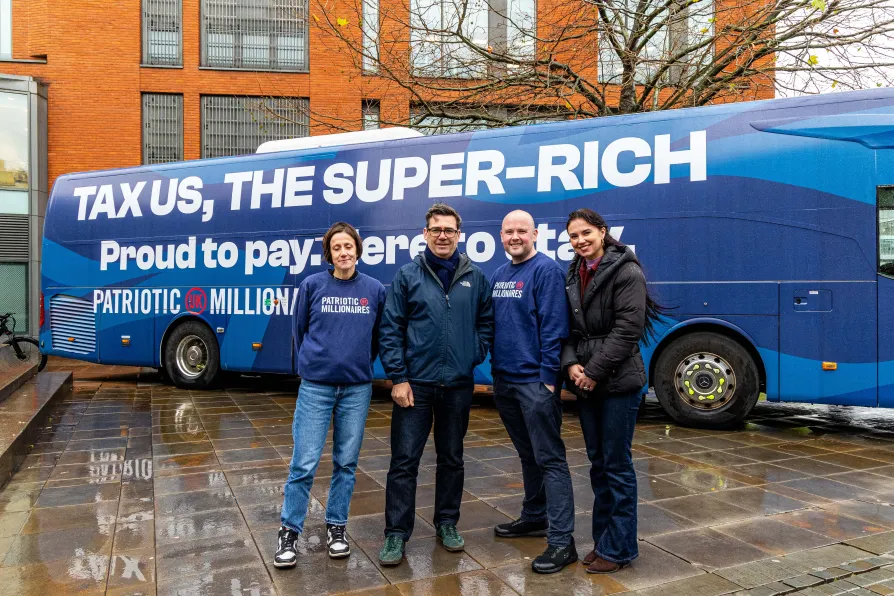
Only an ambitious programme of state-led investment can restore growth and improve living standards, argues MICHAEL BURKE