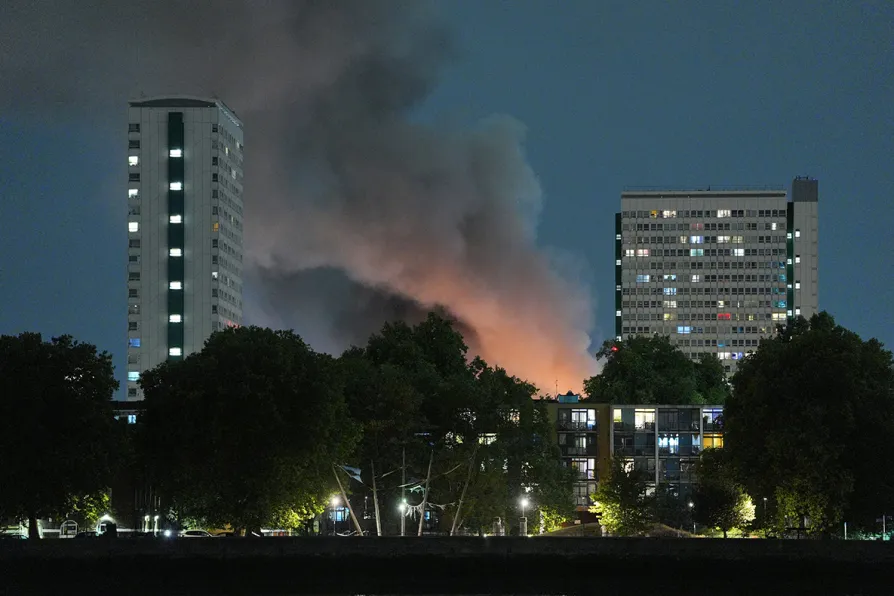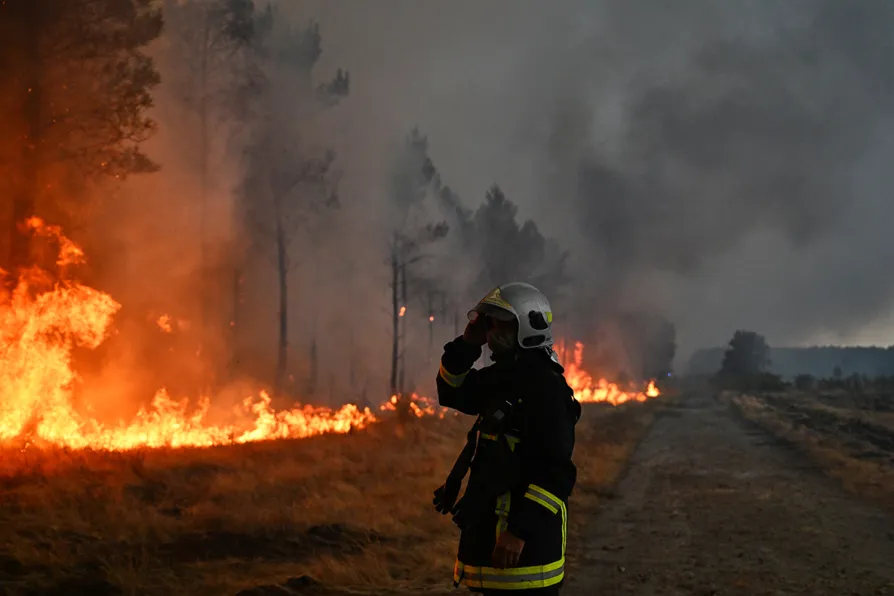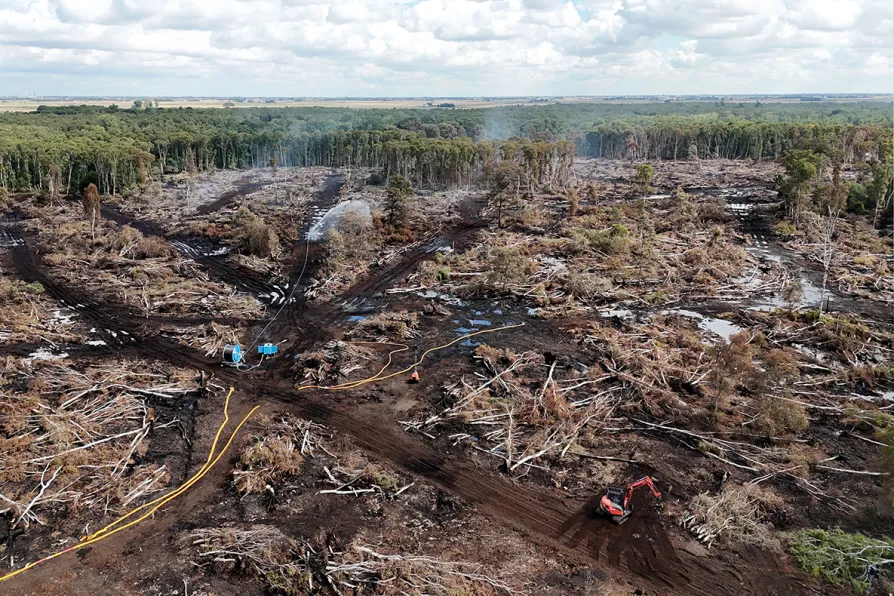
 Firefighters continue to tackle a fire at Holme Fen Nature Reserve in Cambridgeshire which is still burning after starting on August 8






LONDON firefighters worried that a lack of capacity is putting lives at risk in the capital share a concern that runs nationwide.
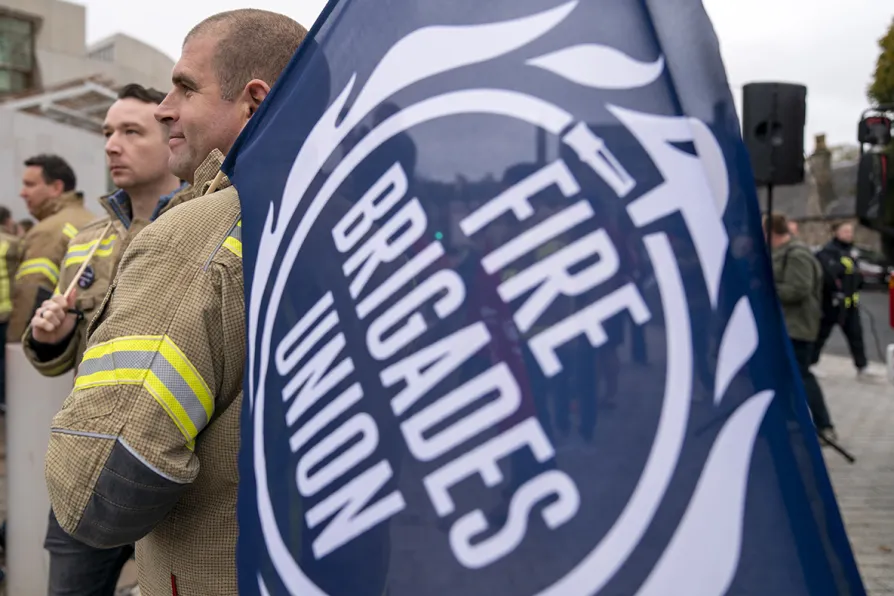
Amid a long hot summer with a record number of fires, everything is lacking: “We do not have enough firefighters, fire appliances, PPE or adequate levels of firefighting equipment,” as Fire Brigades Union (FBU) regional secretary Jon Lambe warns.
And this is the rule across Britain, not the exception. Lambe points out that firefighting resilience is further affected when engines and firefighters are deployed well beyond the capital, because other regions don’t have the capacity to tackle fires.
Firefighters have always been despatched out of area for major incidents, but these are becoming more and more frequent and the shortage of staff means they have to be summoned from ever further away. As FBU leader Steve Wright has previously told this newspaper, we are now seeing firefighters from Liverpool called to incidents in Dorset — while the number of firefighters on the average fire engine has also fallen, putting both firefighters and the public at greater risk.
The reason is straightforward: austerity. The House of Commons library notes that the number of firefighters has fallen 4.1 per cent in the last five years; since the onslaught of austerity began in 2010 it has shrunk by a fifth. Councils, many facing severe funding problems, are still trying to make cuts to fire brigades: only determined public campaigning by the FBU prevented cuts in Kent and Oxfordshire earlier this year.
At the same time the number of incidents is rising: again, House of Commons statistics show that firefighters responded to 603,942 incidents in the year to March 2025, a 22 per cent increase on 2015.
The Tory-led governments of the 2010s consciously undermined Britain’s capacity to cope with a pandemic, allowing stockpiles of usable PPE to run down despite their own Exercise Cygnus drill highlighting that a lack of PPE would be one of the major issues should an epidemic break out, and leaving the NHS carrying so many vacancies staff complained of a “permanent winter crisis” in ordinary times.
Lo and behold, when Covid-19 struck NHS staff were left without proper protective equipment, some even forced to don bin bags as head and shoe coverings. Lives were lost. Significant sums were then squandered in a race to order additional supplies, a hurried and corrupt process which resulted in much of those proving unusable.
The failure to invest in the fire service is similarly irresponsible. That a rapidly warming climate would mean more fires was predictable, and if it hadn’t been, the evidence is now all around us. The number of “non-fire incidents” firefighters need to respond to is also rising. Climate chaos means more flash floods as well as longer droughts. We need stronger, more resilient emergency services.
That means reversing austerity. Not just ending it, as governments since Theresa May’s have promised to do (they lied) — but reversing it, restoring lost capacity in essential services just as we should demand restoration of real-terms wage levels because the spending power of working-class households has been significantly reduced since 2010.
Andy Burnham talks grandly of reversing 40 years of neoliberalism. He cannot begin to do so without undoing the extreme damage done to public services — not just the fire and rescue service, but everything from the NHS to the courts — by the David Cameron government and its successors.
This has to mean budget increases — a rejection of Rachel Reeves’s “fiscal rules” straitjacket and a reassessment of priorities which currently see reckless increases in military spending at the expense of everything else. The planet is burning: there is no security for any of us if we don’t address it.