
PETER MASON applauds the revival, 39 years later with the same team and cast, of Manfred Karge’s version of Brecht’s 100-year-old play, Mann Ist Mann

Confucied.com
BEN CHACKO unpicks the significance of the discovery, in 2015, of ancient texts about Confucius. Was he simply a teacher, or a philosopher, statesman and saint?
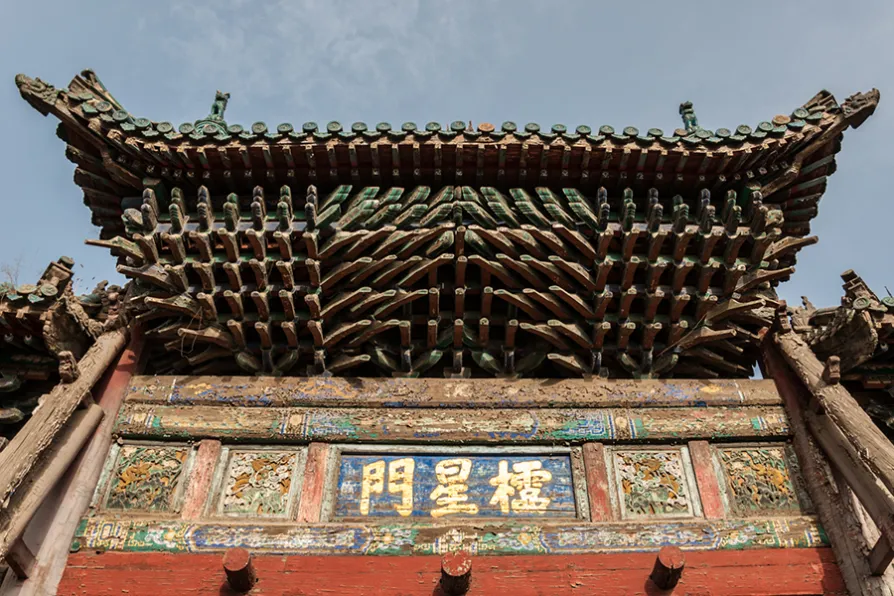
 CRAFTSMANSHIP: Ceremonial gate to the Daizhou Confucian Temple, with the words "Lingxingmen", (Gate of the Ling star) associated with scholarship, agriculture, and worshipping heaven. Shanxi Province, Tang Dynasty, 618 to 907 CE [Pic: Fymking/CC]

New releases from Biita Houdei, The Mary Wallopers, and The Tubs
New releases from Biita Houdei, The Mary Wallopers, and The Tubs
MAYER WAKEFIELD applauds a fearless attempt to bring to the stage the 1984 toxic gas disaster in Bhopal, India
ALEX HALL applauds the account of a dogged, traumatic and punishing campaign for justice that has lasted from 1998 to the present day
NICK WRIGHT laments the political bias of an epic attempt to tell the history of the liberation of France from the Nazis, that excludes both the decisive contribution of the Soviet Red Army, and of the French communist party itself





Confucius: A New Tradition
Mark Csikszentmihalyi, Reaktion Books, £15.99
CONFUCIUS is one of history’s most influential figures. His political tradition became the state ideology of the Chinese empire during the Han dynasty (202BC-220AD) and held that status to the end of China’s last dynasty, the Qing, in 1911. But in some respects we know remarkably little about him.
This readable book revolves around the identity of Confucius. Its hook is the discovery, in 2015, of the oldest manuscript biography of “the Sage” yet unearthed, in the tomb of the “Marquis of Haihun” — an intriguing figure himself, emperor of China for a few weeks before being deposed and packed off to the provinces where he died in 59BC.
Haihun’s tomb is one of the richest ever found, full of ancient treasures and literal tons of hard cash in the form of millions of bronze coins, and illustrates the extent to which, even in a country whose history has been as meticulously documented since ancient times as China, archaeological finds can still bring new understanding.
Confucian scholars were excited by the inclusion of a long-lost variant of the Analects of Confucius (the so-called “Qi” version).
That itself demonstrates a key point of Csikszentmihalyi’s: the Confucius we know is the product of thousands of years of revision and interpretation. Other traditions have existed, and he symbolised different things to different audiences over millennia.
The Analects (a collection of Confucius’s sayings compiled by disciples after his death) is not the focus — rather the short biography also found in the tomb is. It sheds little new light on its subject’s life: it dates from over 400 years after he died in 479BC, and though it is the oldest manuscript ever found, the biography itself is younger than that found in Sima Qian’s Records of the Grand Historian, which only survives in later manuscripts.
But by dividing it into four sections — on his childhood, maturity as a teacher with disciples, old age as an editor of what would become the “Classics” of ancient Chinese literature, and posthumous reputation, he is able to explain Confucius’s changing significance over time.
If we are surprised by a Confucius marked out from birth as enjoying celestial favour, that owes much to his interpretation in the West as a “philosopher” when some Chinese accounts suggest he was rather what we’d call a prophet or a saint.
That in turn rests on his introduction to the West by the 17th-century Jesuits, keen to present Confucianism as compatible with Christianity, who downplayed supernatural elements of the tradition.
And the Confucianism they encountered was itself that reshaped by the Song dynasty thinker Zhu Xi in what’s termed the “Confucian Renaissance.” Csikszentmihalyi notes that this Confucianism is much more starkly defined against other traditions (especially Buddhism) than older variants, though he doesn’t dwell on why. In fact, the end of the preceding Tang dynasty had seen a backlash against foreign influences like Buddhism, and a dissolution of the monasteries as destructive as England later experienced.
So, the Jesuits encountered Zhu Xi’s Confucianism, in which Mencius, formerly only one among several noteworthy Confucian thinkers, gained a status akin to that of Engels in the Marxist-Leninist tradition, and is one of only two Chinese philosophers to have a Latinised name in the West.
Absent context sometimes weakens Csikszentmihalyi’s points. He wonders at the Han dynasty’s acceptance of the Confucian “Mandate of Heaven” concept, in which a corrupt dynasty can lose legitimacy, since it poses a threat to any hereditary government, but without noting the obvious point that its own legitimacy — its founder Liu Bang was a peasant rebel against the Qin dynasty — rested on it too.
Image
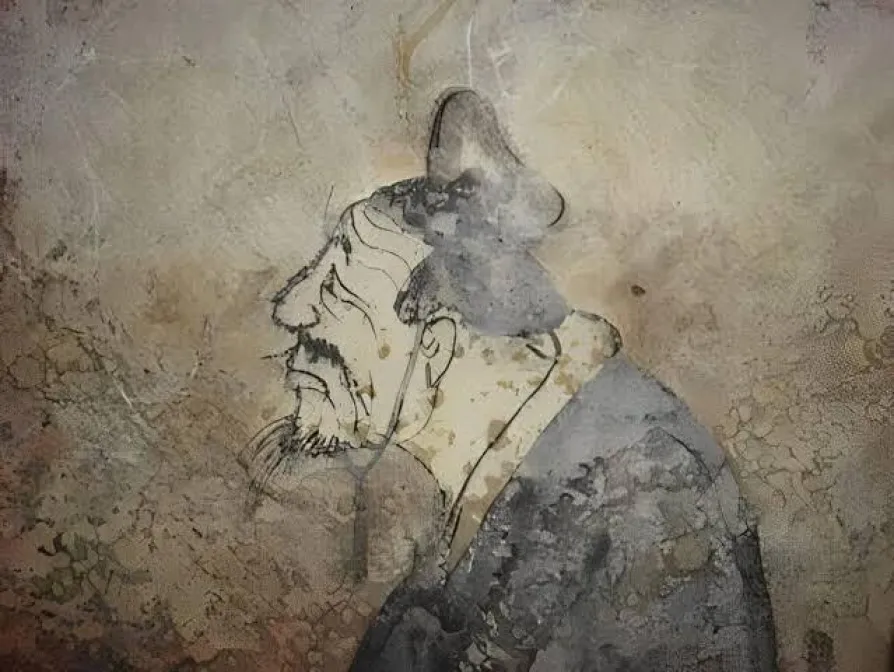
His discussions of Confucius as “uncrowned king” sometimes imply that Confucius hoped to become a ruler in his own right, when the more traditional reading that he was disappointed in hopes of being appointed chief minister to one of the kings of the time is more plausible.
According to tradition he then turned to editing ancient works for the guidance of future rulers. Most modern scholars doubt Confucius really edited the Book of Songs and other texts — they were not attributed to him till long after his death — but for centuries he was believed to have done so.
This prompted massive over-interpretation of texts, particularly the terse chronological records known as the Spring and Autumn Annals, as scholars sought hidden meaning in the choice of words to imbue a mundane list of dates with philosophical significance. Commentaries on works attributed to Confucius became much more influential than the originals themselves.
Confucius has been seen as philosopher, saint and statesman.
He was denounced by 20th-century revolutionaries as the champion of an oppressive order — which in many ways he was. But that reputation also rested, as Csikszentmihalyi argues, on Confucius being seen as symbol of traditional China, which he came to represent in both Western and Chinese eyes.
Perhaps his most enduring role is one of the first attested, Confucius as teacher. His birthday, September 28, is celebrated as Teachers Day in much of the Chinese diaspora and in Taiwan, with regular legislative proposals to make that the case in mainland China too. The spread of Confucius Institutes worldwide attest to his ongoing association with education.
It’s questionable whether this book really introduces any “new tradition” as its title claims: but it does draw out the way snippets about Confucius’s life — which themselves evolve over time — have been used to serve varying purposes depending on the needs of the storyteller.
It may not leave us much the wiser about the real Confucius — but maybe that’s appropriate for a scholar who himself edited and selectively presented the wisdom of the ancients for the edification of his contemporaries.
Its biographical focus means it is not a great introduction to the history of Confucian philosophy as such: but as a guide to the evolution of a legend, it’s an interesting read.

Similar stories
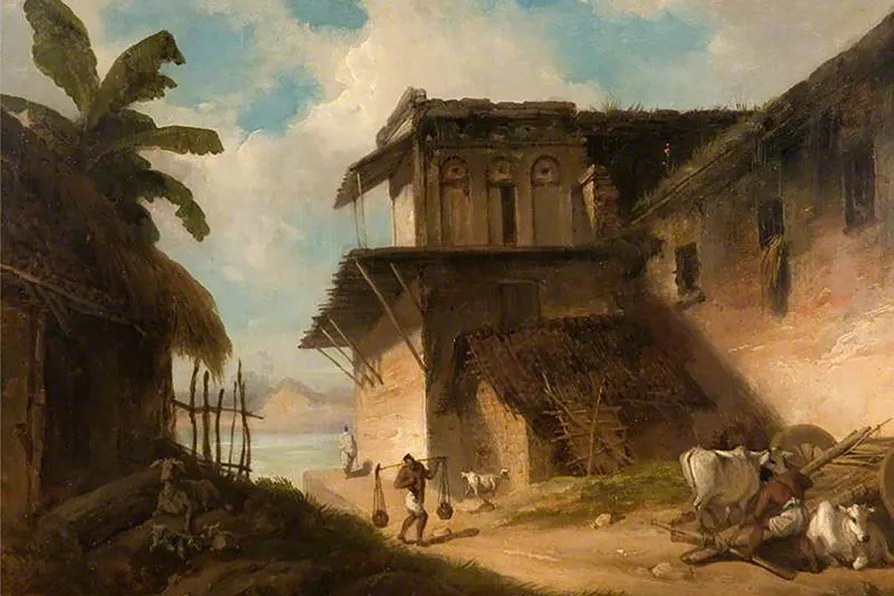
APURBA CHATTERJEE explains how British artists in India used the “picturesque” to reshape colonial landscapes and celebrate imperial power
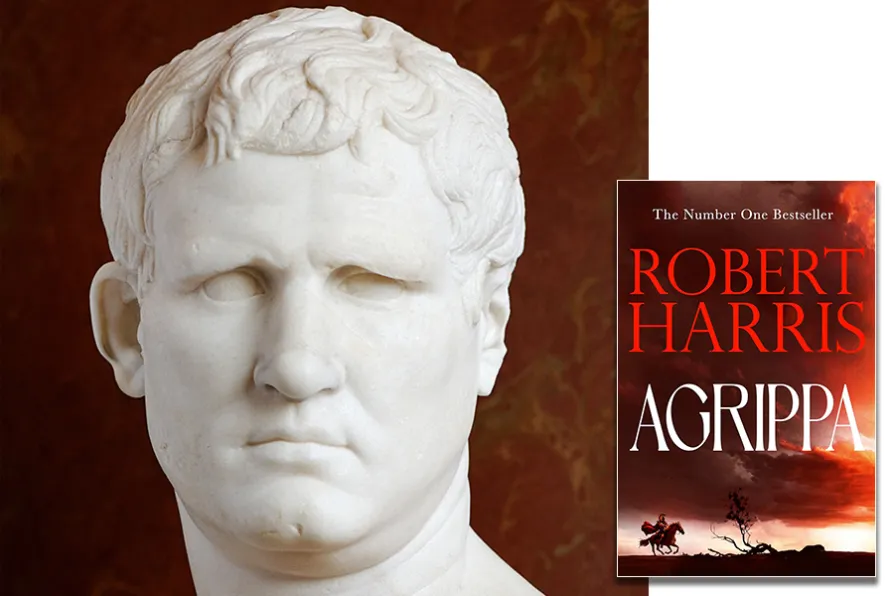
CATHERINE STEEL relishes a compelling novel about Augustus’s right hand man, but misses the politics, the cultural shifts, and more detail about his restoration of Rome
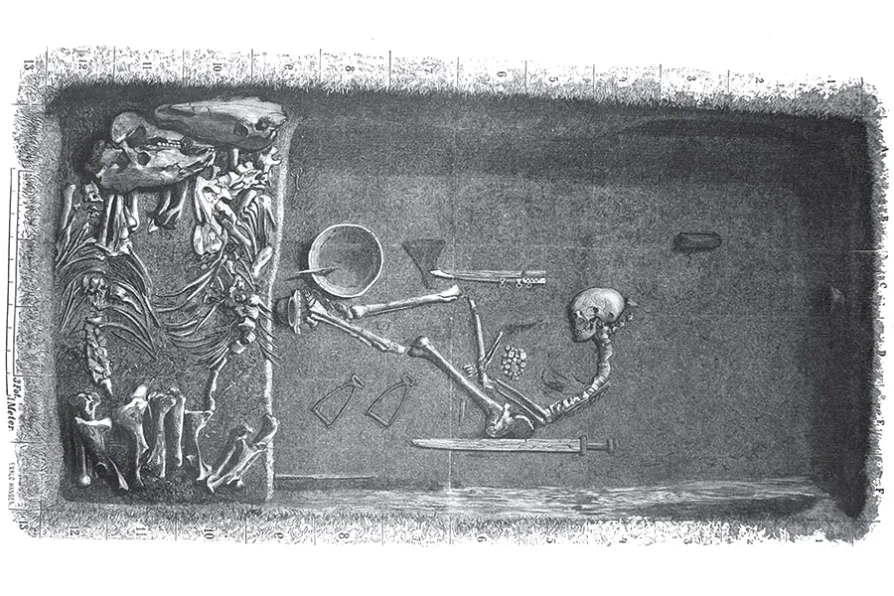
Reducing historical lives to ‘male’ and ‘female’ roles, we lose the nuance of those lives and a clearer understanding of past societies, suggests CLAIRE ISABELLA GILMOUR
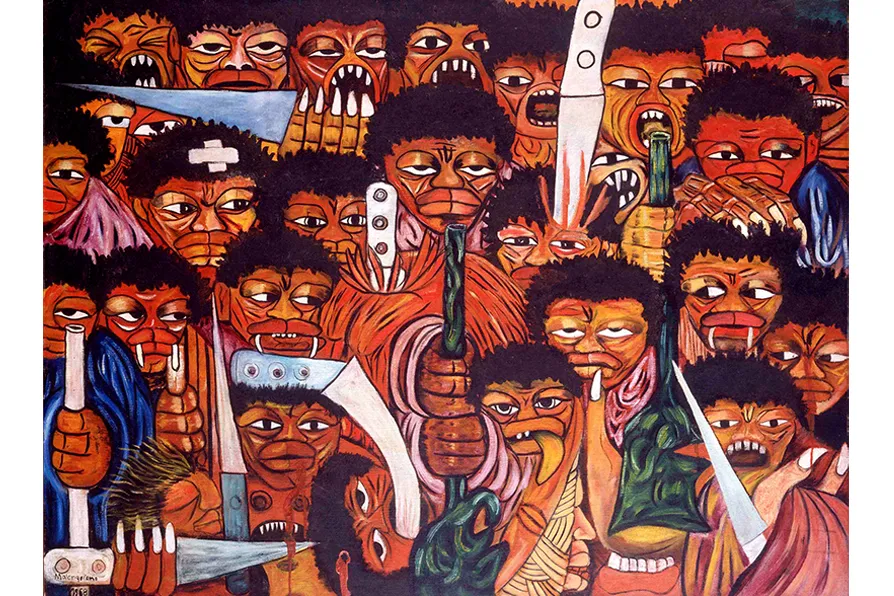
JOHN GREEN welcomes a remarkable study of Mozambique’s most renowned contemporary artist