The UK Prime Minister may have the regal touch in northern England, but he’s been wrong-footed on the constitutional challenges posed by the Celtic Alliance of first ministers from Scotland, Wales and Northern Ireland, argues KENNY MacASKILL

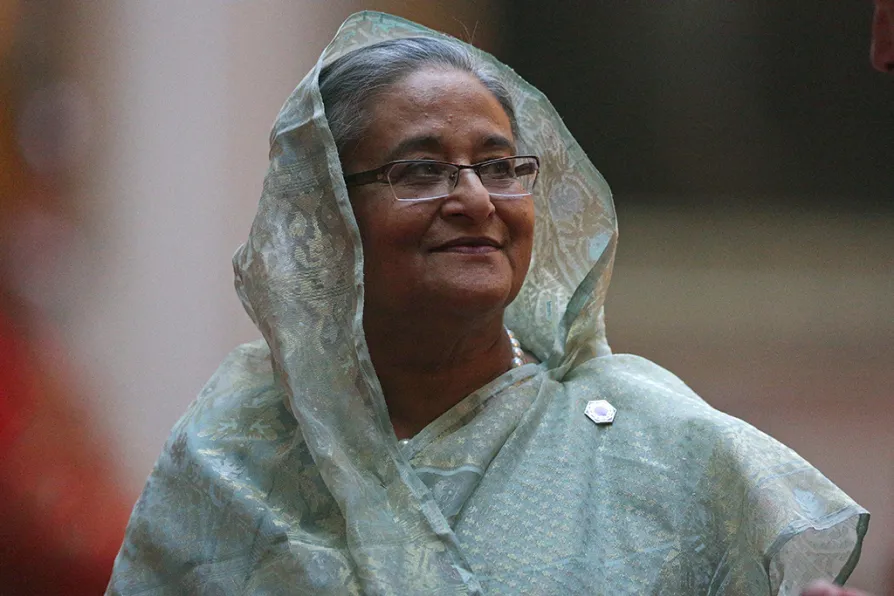
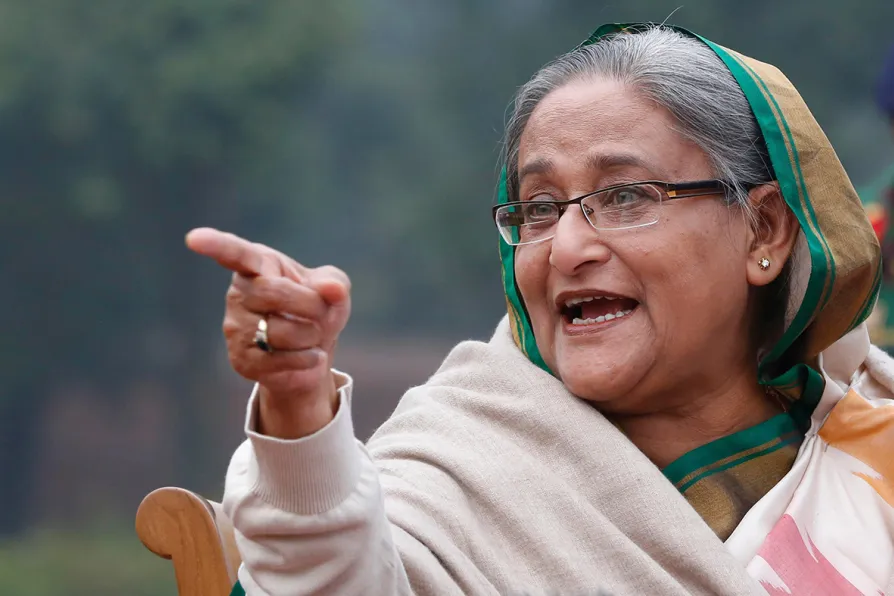
Sheikh Hasina’s public vow to return has shaken India-Bangladesh relations
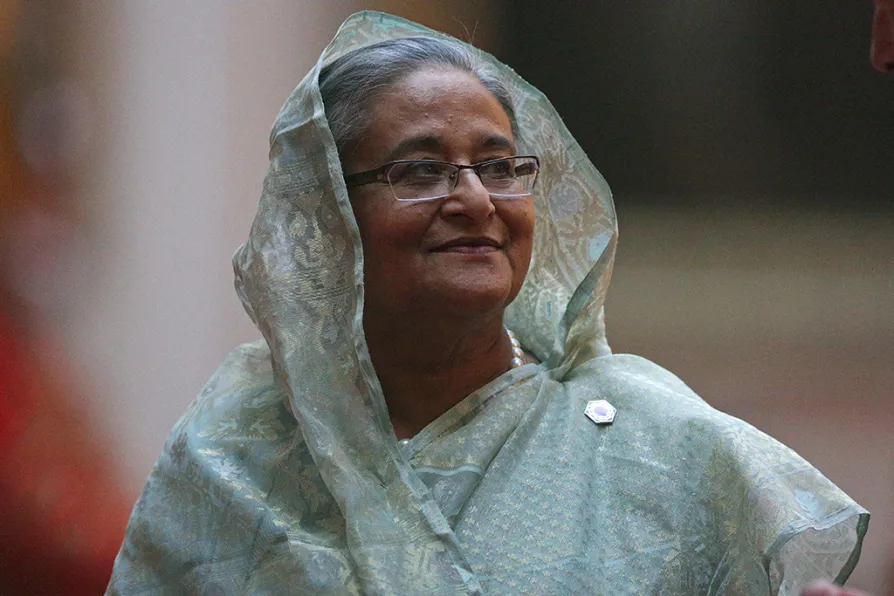
A New Delhi press conference in which Sheikh Hasina and her son implied the new order in Bangladesh is a security threat to India has sparked fears she is planning a comeback. SIAM SAROWER JAMIL reports on the fallout

NEIRLAY ANDRADE, a member of the Communist Party of Venezuela’s political committee, outlines her party’s position on the crisis facing the country
A look at Taylor Wimpey’s accounts shows why Labour’s market-led housing strategy won’t deliver more, cheaper homes, as promised, says SOLOMON HUGHES
DAVID HORSLEY remembers the remarkable life and death of US black revolutionary George Jackson, whose politically passionate prison letters were published as Soledad Brother
Cuban trade union federation CTC leader OSNAY MIGUEL COLINA speaks to Ben Chacko about life and work under a crippling US siege
A part of the British empire’s network of slavery, today the Caribbean island of Nevis faces a new form of exploitation in the form of crypto-colonialism, CLAUDIA WEBBE writes
Challenges from the unscrupulous misuse of AI to steal actors’ voice and physical likenesses is being met with a firm union response, writes LYNDA ROOKE





THE first press conference by the ousted Bangladeshi Prime Minister Sheikh Hasina in New Delhi has quickly turned into a diplomatic stand-off between two nations.
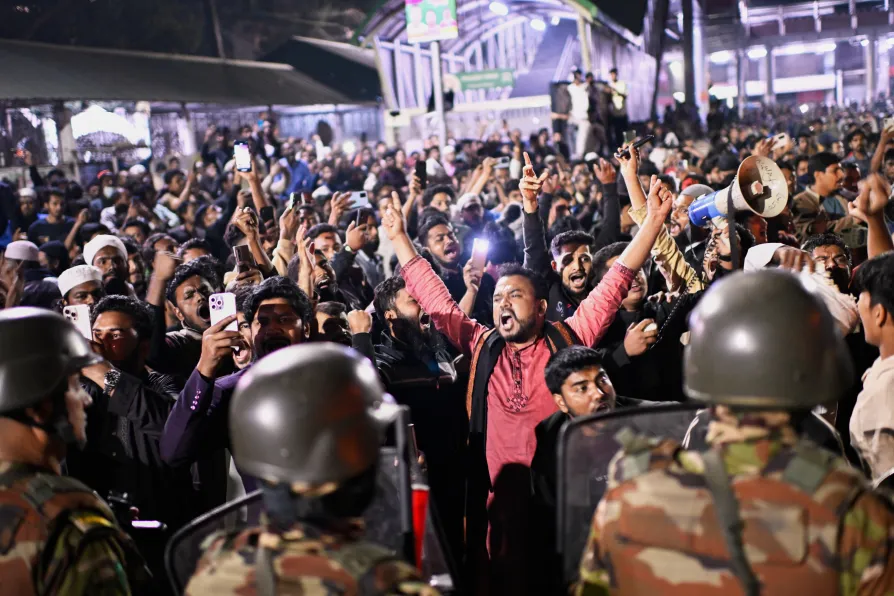
The event has sparked strong responses from all corners of the political spectrum in Bangladesh, as well as sparking extensive discussion on social media and causing new questions about bilateral relations’ future direction. In the eyes of the Bangladesh National Party (BNP)-led government and its friends, the Delhi visit was a threat to Bangladesh’s sovereignty, but many journalists and analysts felt that the government’s diplomatic reaction could exacerbate the situation with New Delhi.
The spat is not merely one over Sheikh Hasina’s political engagements. Rather it has emerged as a wider issue involving national sovereignty, diplomatic norms, freedom of expression and India’s place in Bangladeshi domestic politics. The incident may have repercussions on the forthcoming high-level talks between the two neighbours, such as the Brits Summit and their future bilateral talks, analysts say.
The BNP-led government and the National Citizen Party (NCP) along with Jamaat-e-Islami activists overwhelmingly saw India’s hosting of Sheikh Hasina’s press conference as political. Some said that allowing an exiled leader to run political activities within Indian territory was a diplomatic transgression, violating Bangladesh’s sovereignty.
The Foreign Ministry’s reaction is an indicator of “a sovereign and dignified Bangladesh” and the government will “never be a client state,” prime ministerial adviser Mahdi Amin said. Likewise, Home Minister Salahuddin Ahmed wondered why India was permitting Sheikh Hasina to carry out political campaigning while she is on a legal trial in Bangladesh. Former interim government adviser Mahfuj Alam took it one step further, claiming that New Delhi has offered the platform for activities that are directed against Bangladesh’s interests.
These comments reflect “a real change in official rhetoric,” according to political observers. The government did not just raise the issue of Sheikh Hasina but also made it a dispute over the sovereignty, diplomatic independence and post-July political identity of the nation.
The government’s communication plan, however, is subjected to criticism.
Professor Shyam Kumar, of the University of Delhi’s department of political science said that Bangladesh was justified in lodging a diplomatic protest but raised doubts about the “how” and “what” of the Foreign Ministry’s protest. He said its use of terms like “mafia enterprise,” “henchmen” and “venomous vitriol” were “more like a political speech than official diplomacy.”
He also said the protest was legitimate but said the Foreign Ministry’s communication “must be made like a diplomatic institution and not like a political party.” He has also condemned the repeated revisions of the ministry’s official Facebook message, which showed lack of professionalism in the institution.
Another aspect of the controversy was brought to the fore by Bangladesh’s Jahangirngar University Professor Al Masuduzzamn, who expressed concern over freedom of media. He had said the international media had been making extensive reports on Sheikh Hasina’s political intervention while most of the domestic media had virtually ignored the issue, which, in itself, was news.
Meanwhile, he has been less concerned with partisan politics and more with the strategic implications on the controversy.
Bangladesh’s North South University teacher Asif Bin Ali proposed that Hasina’s reappearance in public might be an attempt for the Awami League to survive, and could draw the international community’s focus on Bangladesh’s legal and political processes. He pointed out that Bangladesh-India ties were warming up slowly even before the current spat.
Awami League supporters tried to make Sheikh Hasina’s presence in Delhi look as if she is still politically relevant despite being in exile. Some commentators referred to past instances of exiled leaders re-entering leadership, suggesting that political exile is not necessarily a death knell for the leadership. The report said, however, that these stories failed to get as much traction online as did the ones backed by government supporters and pro-July activists.
Neither Dhaka nor New Delhi has put forward any public sign of its willingness to lower the formal level of interaction, but analysts warn that public opinion can influence political space for diplomacy. The issue of the controversy could continue to be a political talking point, which may make it difficult for both countries to regain trust, especially as it becomes vital for both of them to cooperate in trade, connectivity, water sharing and security in the region.

Similar stories