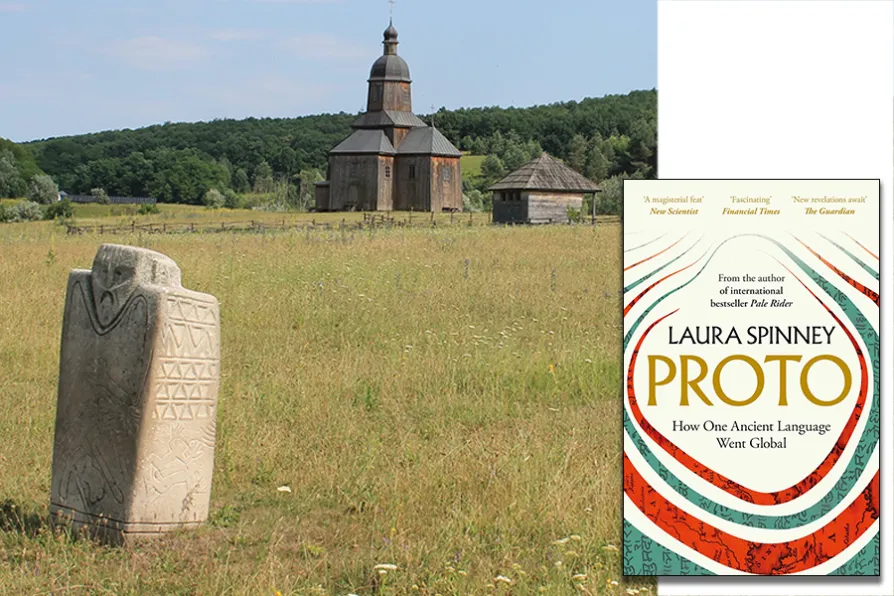
KEN COCKBURN traces the one original language – that of the Yamnaya pastoral nomads – from which all European and Indian languages derive


 Latest editorial
The (occasionally activist) art of showing off
MATTHEW HAWKINS rakes through un-fancy words and flair-free summaries to find who and what might be flamboyant
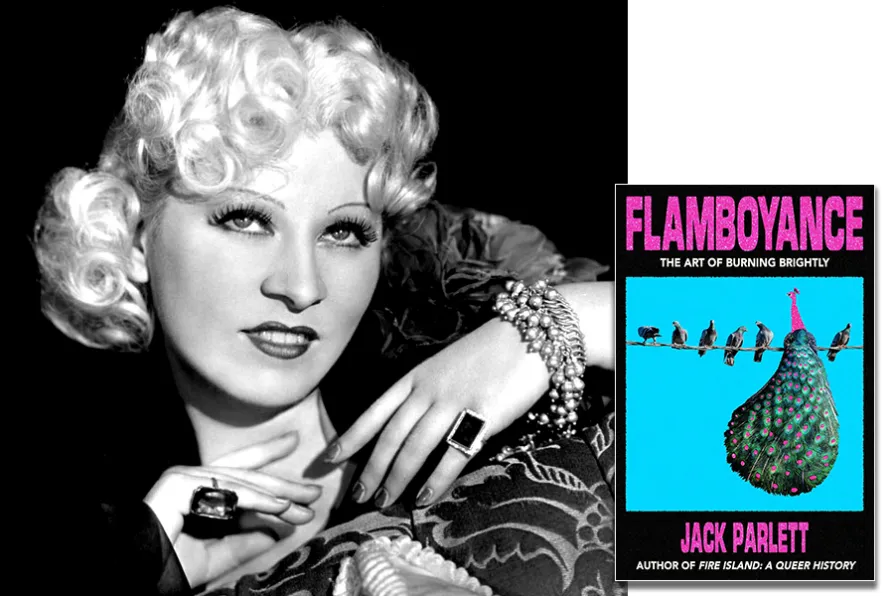 SIGNIFICANT OMISSION: Mae West, 1936 [Pic: Public Domain]
PAUL DONOVAN is fascinated by the debunking of the iconic British war hero
ALEX HALL recommends a searing panorama of our global predicament
Comics are not just superheroes and spandex – it can be public art, telling public stories, suggests HARRIET EARLE
ALEXEI SAYLE speaks to Angus Reid about a lifetime of protest, how to hone political art – and what to do now
The bard serenades the Diggers of Wigan and their festive followers





Flamboyance: The Art of Burning Brightly
Jack Parlett, Granta, £18.99
FLAMBOYANCE might be a state we aspire to (after a few jars, in Jack Parlett’s admitted case) or an action described in stone.
Fresh out of the gate Parlett outlines how the gallic Eustache-Hyacinth Langlois used the verb “flamboyer” — to blaze — in its present participle “flamboyant,” to categorise awesome gothic masonry. This happened in Rouen in 1825.
The ring-of-truth coinage and its uptake started something — and not just this book. We turn its pages to uncover subsequent human flamboyance; the shape it might take and the hot-topics ensuing.
In so doing, we shear away from hand-hewn art and craft, toward pursuit of flamboyance as a label attributed to ourselves, be its application laudatory, dismissive or otherwise coded.
There’s Zeitgeist in all this: a contemporary groundswell of self-definition is undeniable. Let us therefore key into who and what might be flamboyant — when, where and how — and try it all on for size.
Our guide commutes us in multiple directions. Is west best? Anglo-American mass culture fills many a page, with its torch songs, its musical theatre, its complex of monetised sentimental gestures. Trump’s superglued gilding strays in. The historic defiance of US counterculture is vibrantly present and correct.
Parlett’s un-fancy words and flair-free summaries feel academically adroit, if abrupt. It jars when, for example, James Baldwin is found sampling the 1950s Parisian queer bars “on offer,” and when a conflagration about flamboyant protest boils down to disagreement about how politics “should be done.”
Might he also have dug deeper? Instead of the voice (the flaaaaming side) of glam-punk trans musician Jayne County (spelt Country in the index) we get a passing reference to how Bowie stole her image. Spookily, the works of Mae West, Josephine Baker and Rudolph Nureyev are also missing.
Parlett rightly gauges how flamboyant elements of protest and activism effectively bond a coalition of ideas. Exploration of this topic raises the stakes. Rewardingly, the writer’s overall choices gain integration here — they coalesce.
A third act finds the text self-confessedly morphing (yes, detoxifying) into a tale the fellow did not “intend to write.” It’s potentially material one wouldn’t intend to read, unless in recognition that flamboyance will entail a letting-go; a gratuity that evades fixed measure — its stony origin notwithstanding.

Similar stories

MATTHEW HAWKINS looks at some of the Edinburgh Festival dance offerings
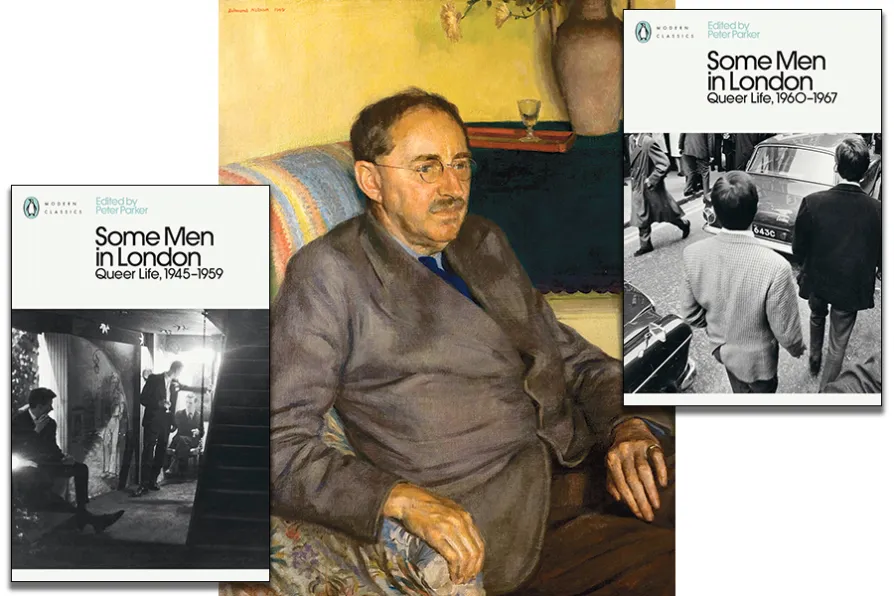
MATTHEW HAWKINS welcomes an engaging and nourishing account of the queer subculture that flourished in London between WWII and partial decriminalisation
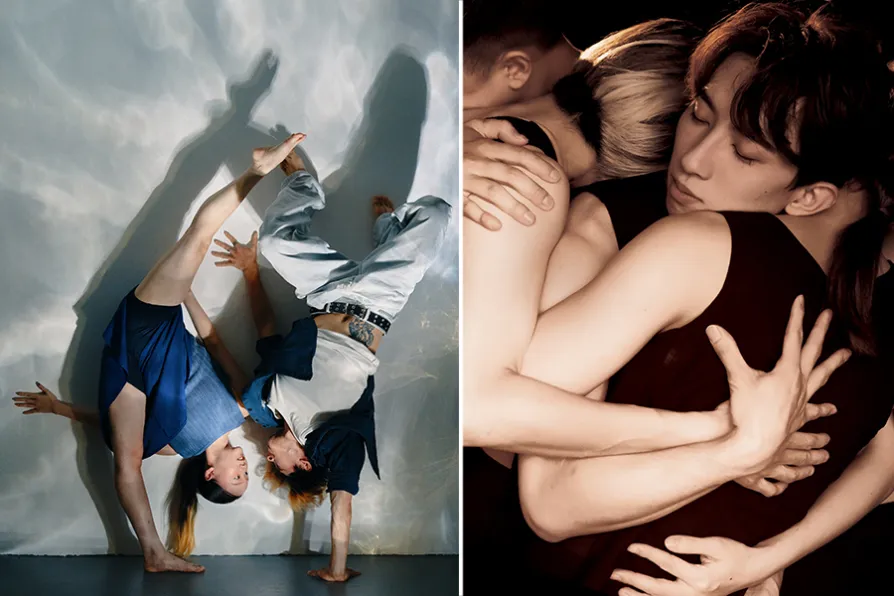
At the Edinburgh Fringe, MATTHEW HAWKINS reviews eight shows in a single day in one venue, all of which reward the spectator
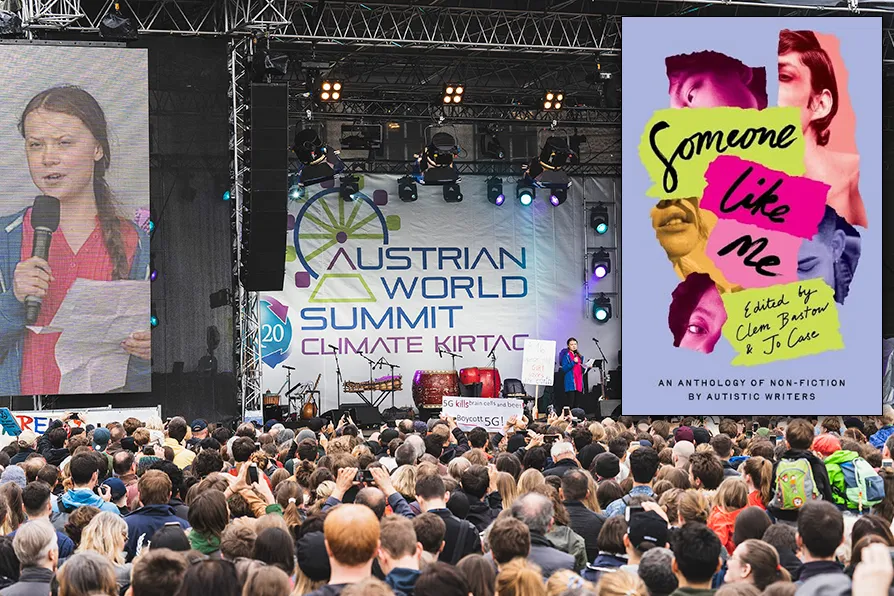
MATTHEW HAWKINS relishes the literary output of autistic writers, and recommends its insight to readers both including and beyond the community themselves