

 Latest editorial

Unions and climate activists pressure government to consider legislation for maximum working temperature
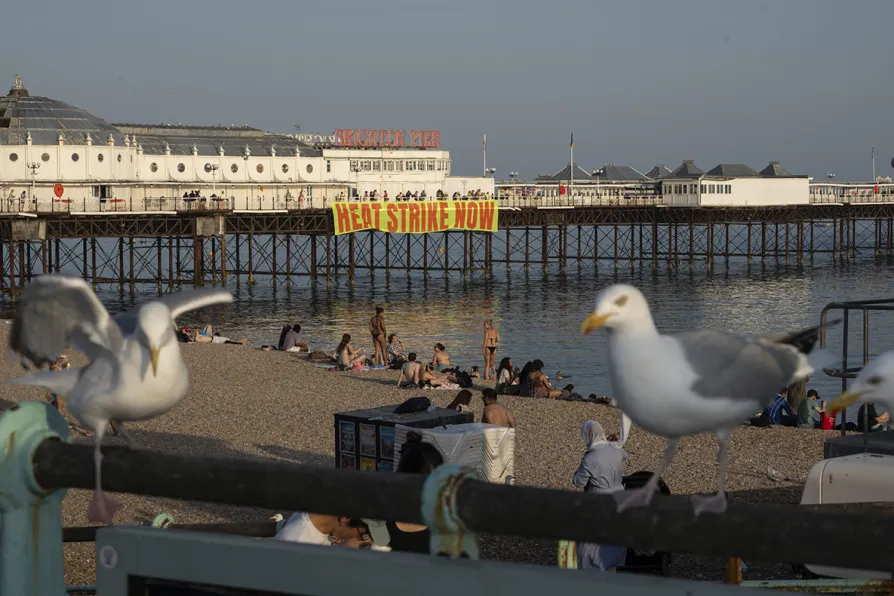 Union members and climate activists drop banner on Brighton Beach in response to government inaction on extreme temperatures [Pic: Leo Bodelle]
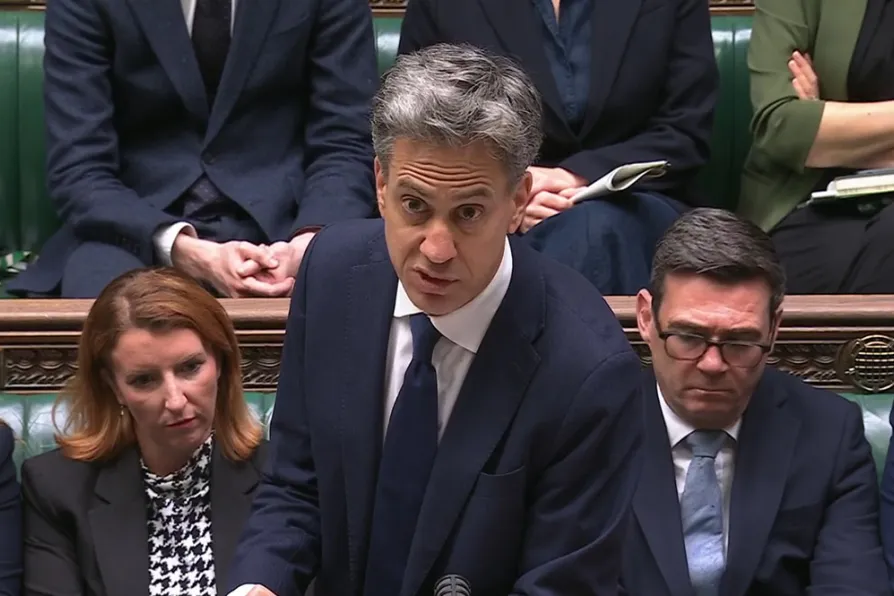





MORE THAN 15 million people reported feeling unwell because of June’s heatwave as Britain faces a third bout of sweltering weather, a new report found.
Poor and disabled people were hit hardest, according to new research by Opinium for the End Fuel Poverty Coalition (EFPC) published today.
Their findings coincide with a renewed push from unions and climate activists with the Heat Strike campaign to pressure government ministers to set a maximum working temperature.
More than a quarter of British adults said they felt “unwell” during the last heatwave, with people in difficult financial situations (47 per cent) and disabled people (44 per cent) reporting the highest impacts on their wellbeing.
About 55 per cent of disabled people surveyed reported poor sleep due to their homes being too hot, with 44 per cent saying they were unable to reduce the temperature in their homes.
Of the 2,000 respondents, more than a third with a heart condition said they felt unable to go outside and perform normal daily activities.
A further one in five (19 per cent) reported being concerned about increased amount of money spent on running fans or air-conditioning units.
EFPC warned that a third wave of heat this week risks increasing the number of people who died as a result of the weather, with Britain counting 862 of the overall 20,000 deaths across Europe last month.
Its co-ordinator, Simon Francis, said this third instance of “extreme heat in just a few months is highly unusual and is undeniably a serious health threat.
“The risk is made worse for households with poor ventilation or no ability to implement passive cooling measures.
“It is a disgrace that not only are the fossil fuel giants contributing to the climate crisis, but they are also profiting from the increased energy prices households have to keep our homes cool in the summer.”
The Heat Strike coalition, which co-ordinated a 1,500-strong strike last month, urged ministers to instate a maximum workplace temperature.
Robbie Woodland, president of the BFAWU Kernow branch in West Cornwall, said bakers have been calling for protections for over a decade.
He said: “Heatwaves are becoming more frequent and extreme, it’s not just about bakeries anymore. This affects all of us.”
The coalition has called for people to join future actions in the event extreme temperatures are predicted again.

![Union members and climate activists set up a ‘cool station’ outside Highbury and Islington station to hand out heatwave safety advice to workers [Pic: Immo Klink]](https://msd11.gn.apc.org/sites/default/files/styles/desktop/public/2026-08/07_Heatstrike-Islington-3924-Immo-Klink.jpg.webp?itok=-IIt7ME_)
More than 1,500 London bus drivers set for heatwave strikes this Friday
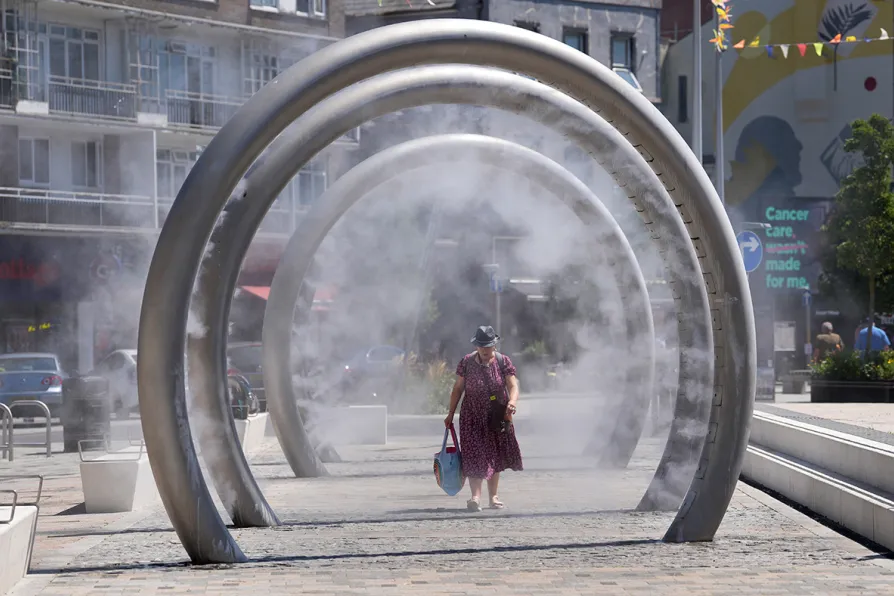
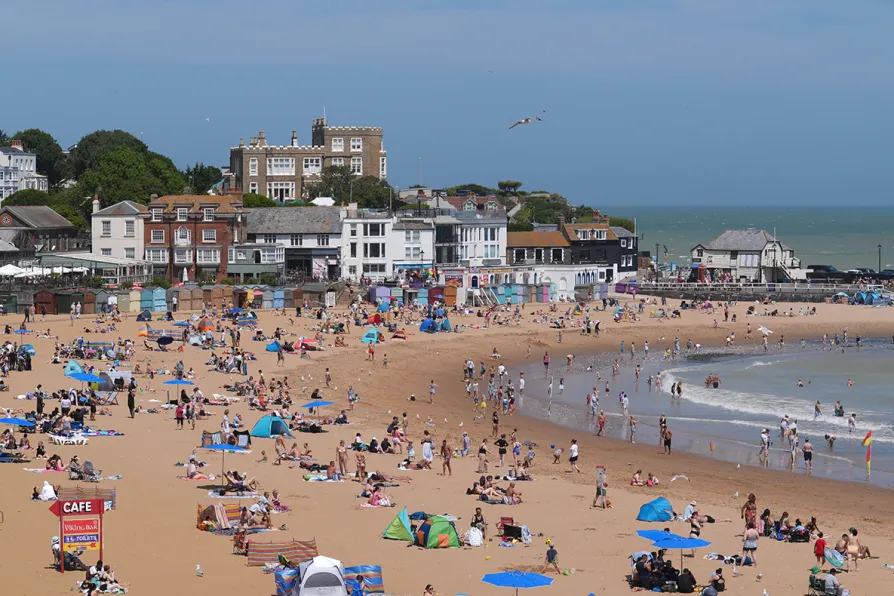

The recent heatwaves revealed how ill-prepared Britain remains for a hotter future – and how unequal the ability to cope with it has become, write ROX MIDDLETON, LIAM SHAW and MIRIAM GAUNTLETT