


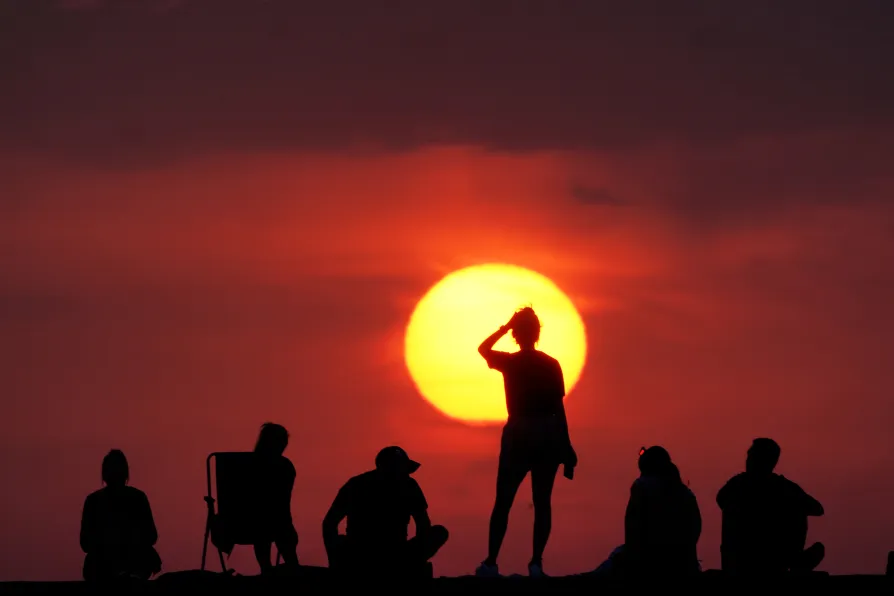
 People turn out to watch the sunrise at Cullercoats Bay, North Tyneside






EMPLOYERS must keep workers safe during Britain’s first heatwave of 2026, the TUC urged today, renewing its call for a maximum legal working temperature.
With amber heat health alerts issued for some areas as temperatures rise, the union body warned that working in hot weather can cause dehydration, fatigue, muscle cramps and fainting, while outdoor workers face serious risks of heat stress, sunstroke and skin cancer.
The TUC is calling for the Health and Safety Executive to introduce maximum workplace temperature guidelines requiring employers to take action above 24°C, with workers able to stop work above 30°C — or 27°C for those doing strenuous jobs.
Britain has a minimum legal working temperature but no maximum, unlike many other countries.
The Climate Change Committee has recently backed the case for maximum temperature regulations, and the government has committed to modernise health and safety guidance on extreme temperatures as part of its Make Work Pay programme.
The TUC said employers can act now by relaxing dress codes, providing cold drinks and frequent breaks, offering flexible hours to avoid rush-hour commutes in the heat, and enabling home working where possible.
Outdoor tasks should be scheduled before 11am or after 3pm, when UV radiation and temperatures are at their lowest.
TUC general secretary Paul Nowak said: “Most of us will welcome the chance to enjoy the first proper summer weather of the year. But it’s not so much fun if you’re stuck in an overheated workplace.
“With heatwaves becoming more common, we need to adapt. We need new laws on maximum working temperatures, improvements to workplaces to keep them cool, and climate action to reduce global heating.”


![Union members and climate activists set up a ‘cool station’ outside Highbury and Islington station to hand out heatwave safety advice to workers [Pic: Immo Klink]](https://msd11.gn.apc.org/sites/default/files/styles/desktop/public/2026-08/07_Heatstrike-Islington-3924-Immo-Klink.jpg.webp?itok=-IIt7ME_)
More than 1,500 London bus drivers set for heatwave strikes this Friday

The recent heatwaves revealed how ill-prepared Britain remains for a hotter future – and how unequal the ability to cope with it has become, write ROX MIDDLETON, LIAM SHAW and MIRIAM GAUNTLETT
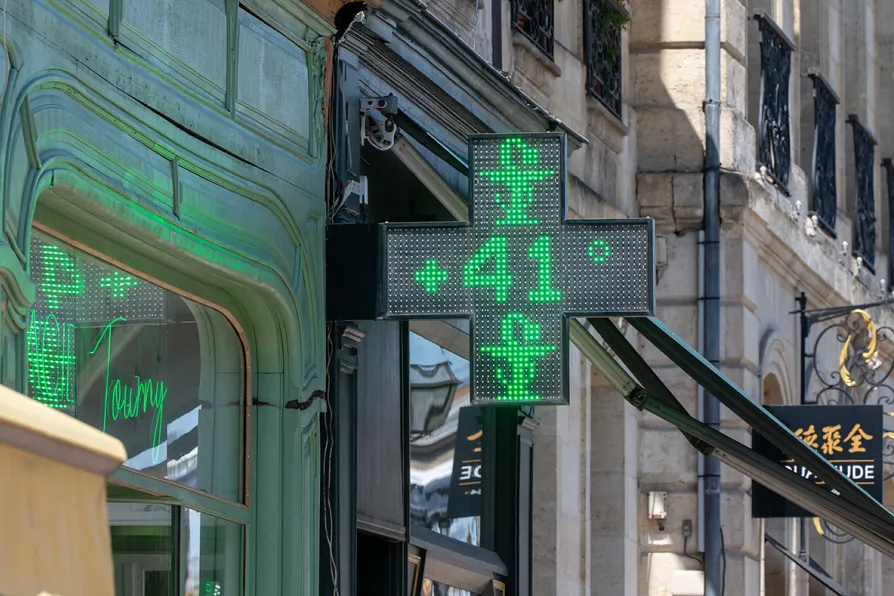
Extreme heat is now one of the defining public health challenges of a warming world, explains Prof IAN WILLIAMS