


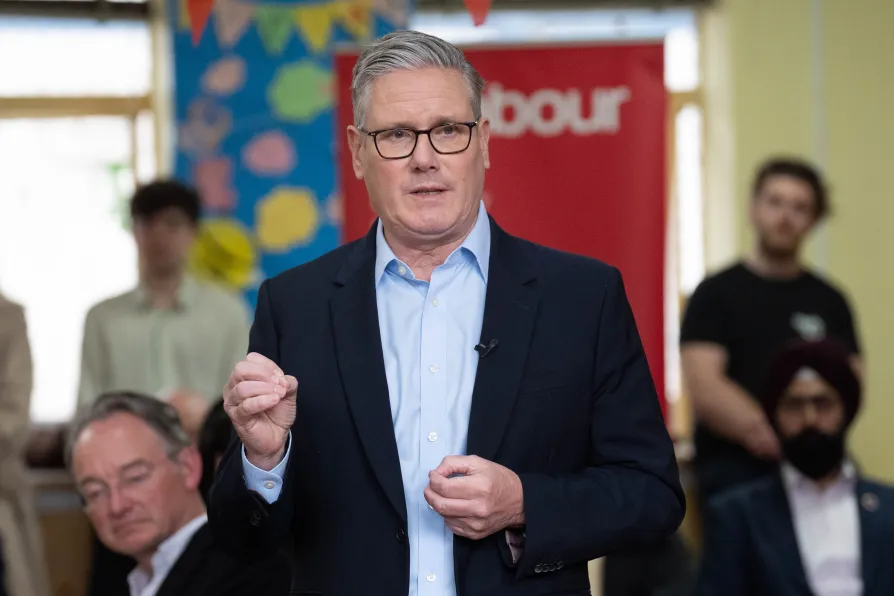
 Prime Minister Keir Starmer meets Labour Party members at Kingsdown Methodist Church Hall in Ealing, west London, May 8, 2026
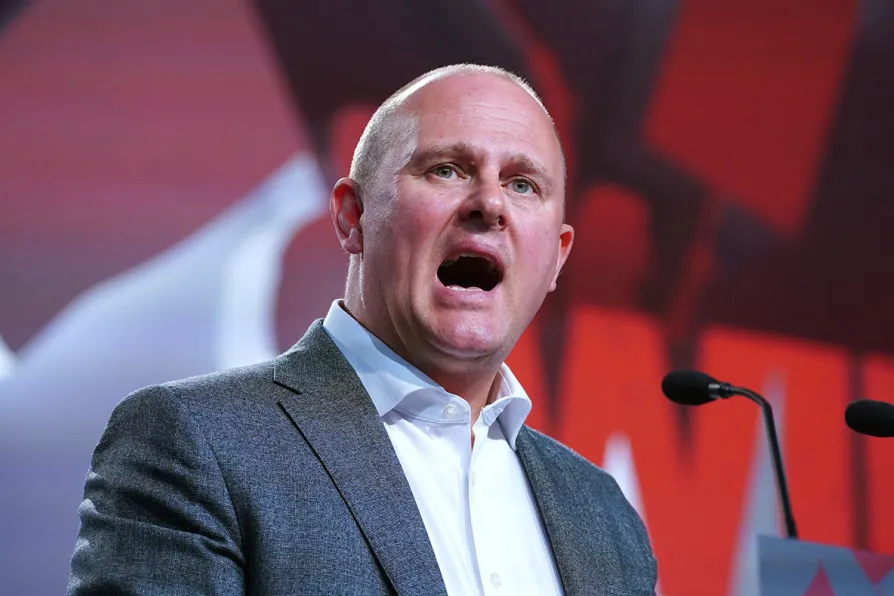
Parliamentary probe into the Reform UK leader’s £5m gift from crypto-billionaire to resume





FULL results from Thursday’s local elections in England, alongside the devastating outcome for Labour in Wales and Scotland, point to a party with a disintegrating electoral base.
When counting concluded at the weekend, Labour had lost just under 1,500 seats overall, towards the high end of predictions.
It was not so much defeated as wiped out in swathes of the north, reduced to one or two councillors in places it has dominated for generations like Sunderland, Wakefield and St Helens.
Overwhelmingly, the main beneficiary was Reform UK, often gaining as a result of a split in the centre-left vote rather than a surge in its own popularity, which may have peaked.
However, there is no gainsaying its 1,453 council seats, up from almost zero.
Nigel Farage’s party is now the largest on Birmingham city council, the largest local authority in the country. However, no party is within sight of an overall majority so it is unclear who will lead the crisis-wracked authority, which is overseen by government commissioners.
Reform also made huge advances in southern and eastern England at the expense of the Tory Party.
Losing Hampshire and Essex county councils, and more than 560 seats overall, indicates that voters have not forgiven the Tories’ disastrous 14 years in office and that Kemi Badenoch has failed to break through.
She was trumpeting Tory advances in Westminster, Wandsworth and Barnet in London, all won by Labour quite exceptionally four years ago.
But these are negligible in parliamentary terms, compared to the loss of Essex, where a third of the shadow cabinet have their seats.
Results in London were more nuanced for Labour. It retains control of nine of the 21 councils it led before the election, and is the largest single party in several more.
Even in strongholds like Islington and Keir Starmer’s Camden, however, the Greens won multiple seats and were often only narrowly behind Labour in the popular vote.
Zack Polanski’s party won two of the five mayoralties in the London boroughs – Hackney and Lewisham, both former Labour strongholds.
It also won majorities in the corresponding borough councils, as well as in Waltham Forest, and is the largest party in Haringey.
Together with independents, it heavily defeated Labour in Newham, a borough it has controlled since its formation in the 1960s.
Overall, the Greens made 441 net gains in terms of seats.
None of the 20 candidates from new left party Your Party fielded under its own banner were successful, although independent community candidates it supported won in east London, Bradford and Blackburn.
Tower Hamlets Mayor Lutfur Rahman, the object of endless state harassment, comfortably won re-election, and the Aspire party he leads increased its majority on the borough council.
The Workers Party, led by former MP George Galloway, won two seats in Rochdale and one in nearby Bury, and claimed a further victory in Birmingham subject to a recount.
