

 Latest editorial

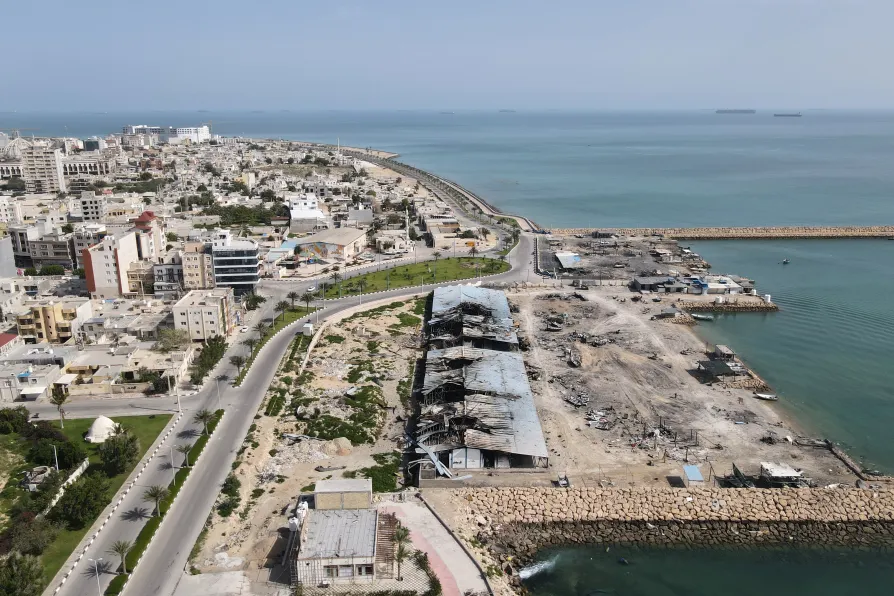 Backdropped by ships in the Strait of Hormuz, damage, according to local witnesses caused by several recent airstrikes during the U.S.-Israel military campaign, is seen on a fishing pier in the port of Qeshm island, Iran, April 13, 2026
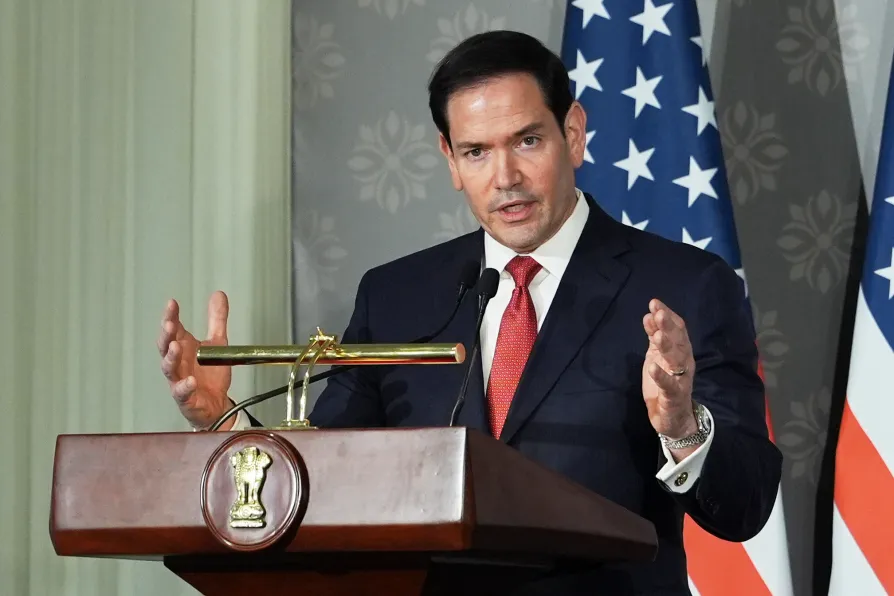





UNITED STATES President Donald Trump and Iran’s Foreign Minister announced today that the Strait of Hormuz was now fully open to commercial vessels.
President Trump said in a social media post that the strait was open and “ready for full passage.”
Minutes earlier, Iranian Foreign Minister Abbas Araghchi posted on X that the passage for all commercial vessels through the strait “is declared completely open” in line with the ceasefire in Lebanon.
He said the strait would stay open for the remaining period of the ceasefire.
President Trump subsequently said the US blockade of the strait and Iranian ports, illegal under international law, would remain fully in place until a full deal with Iran has been reached.
An end to Israel’s war with Hezbollah was a key demand of Iranian negotiators, who previously accused Israel of breaking the current ceasefire deal with strikes on Lebanon. Israel claimed that the deal did not cover Lebanon.
The far-right US president said he thought there was a chance of a deal with Iran and a meeting may take place in Pakistan’s capital, Islamabad, on Sunday.
President Trump claimed to have achieved the breakthrough through a “combination of about four weeks of bombing and a very powerful blockade.”
While oil prices fell on hopes of a deal, experts have warned that energy shocks could get worse if the Strait of Hormuz did not reopen soon.
Iran has claimed from the beginning of the US and Israel’s illegal and unprovoked attack against it on February 28 that the strait was open to all for a toll. The Iranians said the only exception would be the US, Israel and their allies.
Even as the US blockade on Iranian ports and renewed Iranian threats strained the ceasefire, regional officials reported progress with behind-the-scenes exchanges over the last week between the two sides.
During last weekend’s talks, the US reportedly proposed a 20-year suspension of all nuclear activity by Iran — an apparent concession from long-standing demands for a permanent ban.
Tehran suggested a halt of three to five years, according to people familiar with the proposals.
Washington has pressed for any highly enriched uranium (HEU) to be removed from Iran. Tehran has demanded that international sanctions against it be lifted.
Two Iranian sources said there were signs of a compromise emerging on the HEU stockpile, with Tehran considering shipping part, but not all, of it out of the country — something it had previously ruled out.
