

 Latest editorial

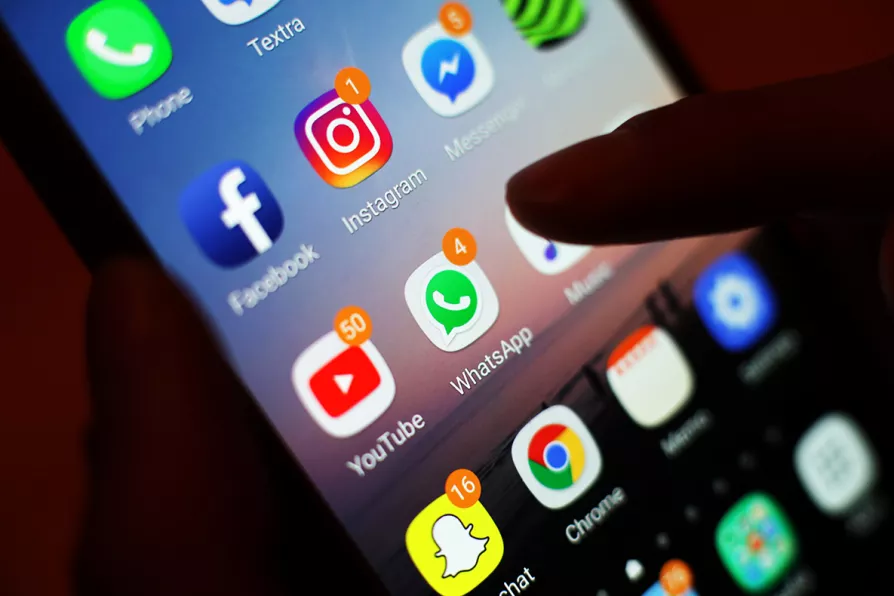 Social media apps on a mobile phone






PRESSURE was mounting today on Sir Keir Starmer to act more forcefully against social media abuses after the Lords voted to introduce a ban on access for under-16s.
The Prime Minister claimed to be “very keen” to act, particularly in the light of a US trial which found tech giants Google, owner of YouTube, and Meta, which operates Facebook, Instagram and WhatsApp, guilty of promoting addictive content to teenagers without regard to their wellbeing.
He said: “Obviously we’ll study that ruling very carefully…but I’m absolutely clear that we need to go further.
“The status quo isn’t good enough. We need to do more to protect children. That’s why we’re consulting about issues such as banning social media for under-16s.
“I’m very keen that we do more on addictive features within social media.
“I want to be really clear, it’s not if things are going to change, things are going to change. The question is, how much and what are we going to do?”
The public mood is clearly shifting towards more assertive regulation of social media, but any government moves will face aggressive pushback from the Trump administration which has tied itself closely to the giant tech firms.
The government is consulting on a ban on social media for the under-16s, which has already been implemented in Australia, but Labour has not yet committed itself.
Teenagers across the country are taking part in trailing various levels of curbs.
The Lords vote for a ban was the second time they have done so, with the first being reversed in the Commons.
Tory peer Lord Nash, who proposed the age limit as part of the Children’s Wellbeing and Schools Bill, said “techies” have taken a “cavalier approach” to content damaging to children.
The US lawsuit was brought by a young woman who argued that a childhood addiction to social media had worsened her mental health conditions.
Many similar cases could be anticipated after a jury awarded $6 million (£4.4m) in damages.
Meta and Google are planning to appeal. Snapchat and TikTok were also named defendants in the US lawsuit, but both settled before the trial started.
A Meta spokesperson said that “teen mental health is profoundly complex and cannot be linked to a single app” while Google claimed the verdict misunderstood YouTube, “which is a responsibly-built streaming platform, not a social media site.”
