

 Latest editorial

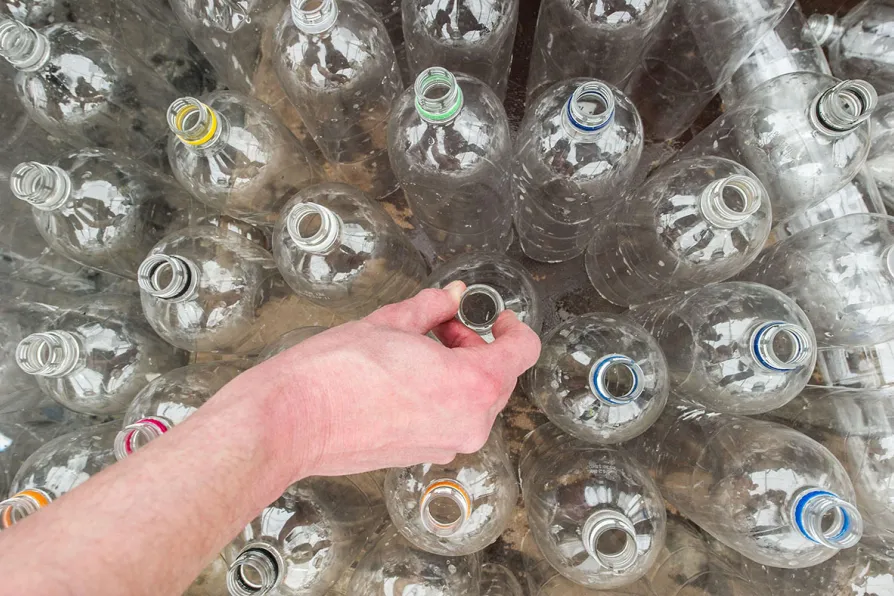 Plastic bottles used to make a greenhouse





PLASTIC bottles have been “reimagined as valuable resources” after scientists at the University of Edinburgh discovered they can be turned into a drug to treat Parkinson’s disease.
Researchers used specially engineered E coli bacteria to turn polyethylene terephthalate (Pet) — used widely in food and drink packaging — into L-Dopa, a front-line Parkinson’s medication.
The waste is first broken down into terephthalic acid, then transformed into L-Dopa by the bacteria through a series of biological reactions, a method researchers say could launch a new “bio-upcycling industry” more sustainable than traditional fossil fuel-reliant methods of making pharmaceuticals.
Study lead Prof Stephen Wallace said: “This feels like just the beginning.
“If we can create medicines for neurological disease from a waste plastic bottle, it’s exciting to imagine what else this technology could achieve.
“Plastic waste is often seen as an environmental problem, but it also represents a vast, untapped source of carbon.
“By engineering biology to transform plastic into an essential medicine, we show how waste materials can be reimagined as valuable resources that support human health.”
The research is published in the journal Nature Sustainability.
