

 Latest editorial
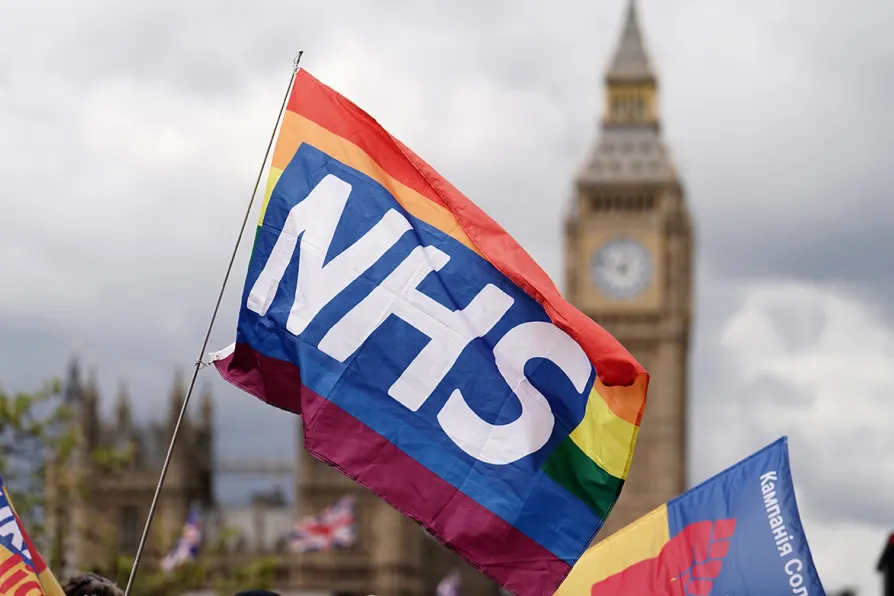 NHS workers on the picket line outside St Thomas' Hospital, London, ahead of a march to Trafalgar Square, as members of the Royal College of Nursing (RCN) and the Unite union continue their strike action in a dispute over pay, May 1, 2023






HEALTH unions warned that the NHS workforce crisis will get worse unless next month’s 3.3 per cent pay rise is improved.
In a letter to Health Secretary Wes Streeting, 14 unions representing more than a million health workers said that staff were angry and felt “deeply let down” after years of falling wages and relentless pressure.
Ministers have wasted an opportunity to deal with headline pay awards and reform of the pay structure by relying on the “discredited” NHS Pay Review Body (PRB) process, rather than negotiating directly with unions, said the letter.
“Day in, day out staff are battling understaffing, overwork and the constant worry that — despite their best efforts — patients are not getting the care they deserve,” it says.
“To rebuild confidence, negotiations must now move quickly and show clearly how they will improve on what staff have already been offered.”
Unison’s head of health Helga Pile, who is also the NHS unions chair, said: “For most NHS staff, this will feel like a pay cut not a wage rise.
“After years of rising pressure and falling wages, health workers expected better from this government. If ministers really want the NHS to recover, they have to start by valuing the staff who keep it going.”
Chartered Society of Physiotherapy assistant director Jim Fahie, who is also the NHS unions secretary, said: “The letter is a way for NHS staff to make their voices heard and show ministers that they need to do more on pay.”
Royal College of Nursing executive director of legal and member relations Jo Galbraith-Marten said that the 3.3 per cent “isn’t enough and there is no excuse for government once again outsourcing responsibility for NHS pay to a failed PRB process.
“Ministers should have negotiated with unions directly, as we requested multiple times. You simply can’t agree fair staff pay without talking to staff.
“It’s clear that nursing staff are being failed on pay, which is why health unions are united in calling for direct talks to start swiftly on reforming the NHS pay structure.
“All the evidence shows that the current system undervalues our highly skilled female-dominated profession and its safety critical role in today’s health service.”
A Department of Health and Social Care spokesperson said: “This government hugely appreciates the incredible work of talented staff across our NHS, which is why we are working with the NHS Staff Council to reform the Agenda for Change pay structure and to prioritise increasing pay for graduates and the lowest paid members of staff.
“Alongside these imminent talks, we have accepted the pay recommendation from the independent NHS Pay Review Body to deliver an above forecast inflation pay increase for the third consecutive year to 1.4 million NHS staff, including nurses, paramedics, midwives and hospital porters.
“This pay boost will be in pay packets from April for the first time in six years, demonstrating our commitment to getting money into the pockets of NHS staff in a timely fashion.”
