

 Latest editorial

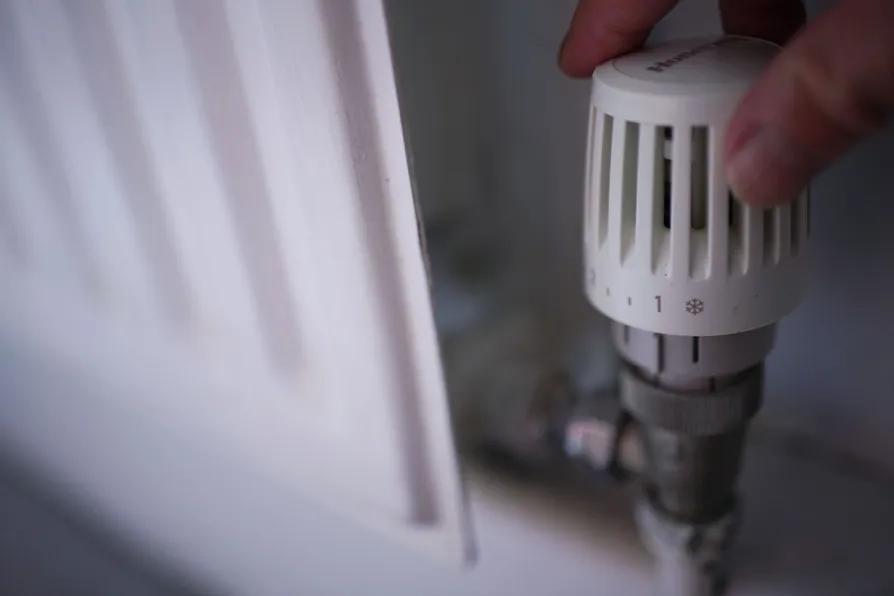 A general view of the temperature control of a radiator in a home in London






HOSPITAL admissions for pneumonia surged by 66 per cent following the outbreak of the Russia-Ukraine war, new figures revealed today.
NHS trusts reported a sharp rise in cold weather-related admissions to hospital, with a 45 per cent increase in hypothermia and 33 per cent more incidents of excessive cold since the conflict began just over four years ago.
People aged over 70 were hit hardest by a spike in global energy prices caused by the war, recording the highest number of hospital admissions of any age group since 2020.
The data, which includes only people who rent or own their home, was revealed by freedom of information requests amid growing fears that the emerging energy crisis caused by the war in the Middle East could pile further pressure on hospitals.
Keep Our NHS Public co-chairman Dr John Puntis said: “These appalling figures show the devastating effect of unaffordable fuel costs on the poor and elderly, with the knock-on pressure and expense for the NHS.
“This is a stark illustration of how the social determinants of health wreak havoc in people’s lives, despite being deemed to merit only passing reference in the Ten Year Plan for Health.
“A cross-departmental approach to reducing health inequalities should be a government priority, rather than a narrow focus on dubious future benefits from such things as AI and gene testing.”
The figures, obtained by clean energy company Aira, showed 5,828 adult hospital admissions for cold-related conditions among people who reported they were not homeless, meaning they were living in homes they owned or rented.
In England, 4,701 were admitted for cold-related conditions from 2020 to 2025, in addition to 1,127 admissions in Scotland.
Aira UK managing director Matt Isherwood said: “The situation could deteriorate further for households and public services if energy prices climb due to the Middle East crisis, with wholesale UK gas prices more than doubling since the war began.”
Liberal Democrat energy security and net zero spokeswoman Pippa Heylings said that households are still struggling with the cost-of-living crisis while energy prices remain about a third higher than before the war in Ukraine.
“This is leaving too many families trapped in fuel poverty, living in Dickensian cold, damp homes,” she added.
