

 Latest editorial

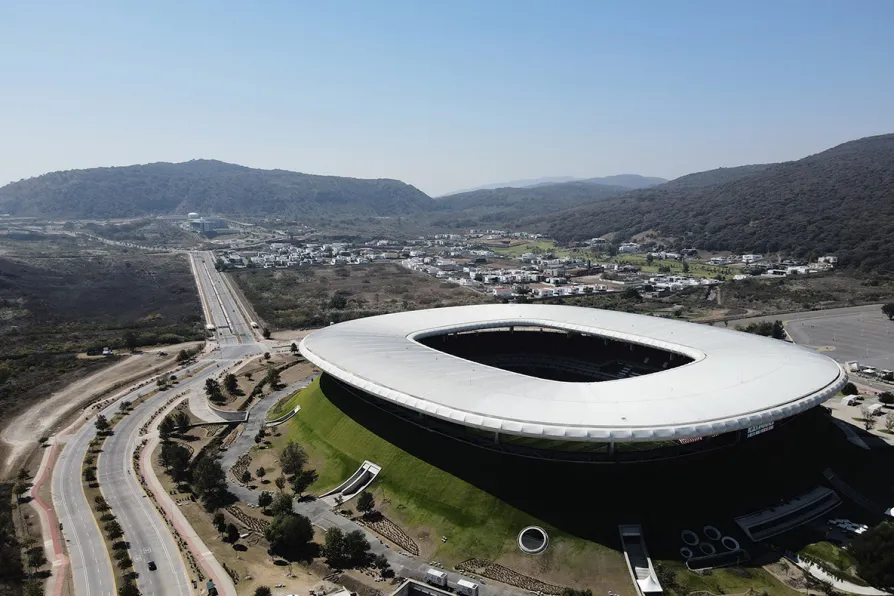 Akron Stadium, a venue for the 2026 World Cup, in Guadalajara, Mexico, January 24, 2026

JAMES NALTON explains how this historic Lancashire clash has become a fixture of the Championship season





HUGO ALEJANDRO PEREZ was in his house a few miles from the Mexican stadium that is slated to host Fifa World Cup games when gunfire and explosions erupted just outside his door.
The 53-year-old restaurant owner was already sceptical about his city, Guadalajara, hosting the international sporting event.
He saw a government that failed to fix basic things, like water service to his home, along with cartel violence in the surrounding state of Jalisco and shook his head. The surge of bloodshed this week following the Mexican military’s killing of the country’s most powerful cartel boss offered more confirmation of his doubts.
“I don’t think they should host the World Cup here,” Perez said. “We have so many problems, and they want to invest in the World Cup? With all the violence, it’s not a good idea.”
Perez joined other people on Tuesday in questioning Guadalajara’s capacity to be a host city for the summer football competition, even as the Mexican government vowed that the international event — hosted jointly by Mexico, the United States and Canada — will not be affected.
President Claudia Sheinbaum was asked at her daily news briefing what guarantees there are that World Cup matches will be held in Jalisco. “Every guarantee,” she said, adding that there was “no risk” for fans coming to the tournament.
Jalisco governor Jesus Pablo Lemus said he had spoken with local Fifa officials, who have “absolutely no intention of removing any venues from Mexico. The three venues remain completely unchanged.”
The same day, the Portuguese football federation said it was “closely monitoring the delicate situation” in Mexico.
Its national team is down to play Mexico’s team in a friendly on March 28 at the newly renovated Azteca Stadium in Mexico City, which is scheduled to host the opening World Cup match on June 11.
Jalisco, in western Mexico, was already facing scrutiny. The state has been plagued by some of the starkest examples of cartel violence in recent years, including the discovery of a cartel killing site at a ranch last March and a crisis of disappearances.
The state, with Guadalajara as its capital, is the central hub for the Jalisco New Generation Cartel, whose leader Nemesio Oseguera Cervantes, or “El Mencho,” was killed on Sunday in a capture attempt by the military.
The operation and waves of violence killed 70 people. Cartel gunmen set fire to cars to block streets in states across the country, namely Jalisco, and fought with Mexican forces into Monday as the government said the conflict was under control.
The death of Oseguera Cervantes came as Mexico’s government has stepped up its offensive against cartels in an effort to meet demands by US President Donald Trump to crack down on criminal groups. The cartel, also known as CJNG, is one of the fastest-growing criminal networks in Mexico.
The White House confirmed that the US provided intelligence support to capture the cartel leader and applauded Mexico’s army for taking down a man who was one of the most wanted criminals in both countries.
Perez, the restaurant owner, also commended Sheinbaum’s efforts to go after cartels, saying the government has taken cartel violence more seriously than her predecessors. At the same time, he said, local authorities in Jalisco have fallen short in protecting civilians.
The root concern for many is that the death of El Mencho could pave the way for more violence. Killing capos, in what’s become known as the “kingpin strategy,” has been criticised by Sheinbaum herself because it can often spark internal conflict between cartel factions and push rival cartels to make territorial grabs.
On Sunday, when firefights broke out between the cartel and soldiers, and gunmen began to burn a car just feet in front of Perez’s house, he let people on the street scramble inside his home to seek cover. The fighting raged for an hour.
Now he says he doesn’t see the point of holding the games, adding that he doubts any of the money from the games will trickle down to businesses in working-class neighbourhoods like his, even if they are just a 10-minute drive from the stadium. Similar tensions have simmered in Mexico City.
The World Cup is expected to be a $3 billion (£2.2bn) economic engine in Mexico, according to the Mexican Soccer Federation.
“It doesn’t help us residents at all, honestly. They should move it to Monterrey or Mexico City. But right now here, we’re not convinced,” he said. “Things aren’t in good enough shape for foreigners to be coming to Jalisco for an event like this.”
On Monday, some foreign tourists trapped in the violence in the city of Puerto Vallarta took to social media to warn of the violence, with a few remarking that they didn’t plan to return.
Despite that, Guadalajara was snapping back to its normal rhythm Tuesday. Many businesses opened their doors for the first time in two days, and streets were packed with traffic.
Workers were busy fixing up the exterior of the football stadium that will host World Cup matches. Cyclists zipped around outside the stadium, and parents played with children in parks.
Heavily armed police officers and National Guard members roamed the city, a sign for some that the government had the situation under control.
Juan Carlos Pila, a 55-year-old taxi driver, rolled his eyes at the reports of violence after spending two days waiting with his family for things to calm down. He said social media and local news outlets were overplaying the extent of the violence.
“People should come, man. Everyone is welcome,” he said.
Others, like Maria Dolores Aguirre, simply hoped for the best. Aguirre runs a small corner story in the cobblestoned tourist town of Tapalpa tucked away in Jalisco’s mountains, where Mexico’s military killed El Mencho.
Aguirre’s family business of over 50 years depends on the flow of tourists to the normally sleepy town. Now she worries bloodshed will deal a blow to her livelihood and change towns like hers.
“It’s going to affect us. It’s collateral damage,” Aguirre said. “The government is going to have to have a lot of security … The entire world just saw what happened and, of course, people are going to think twice about coming.”

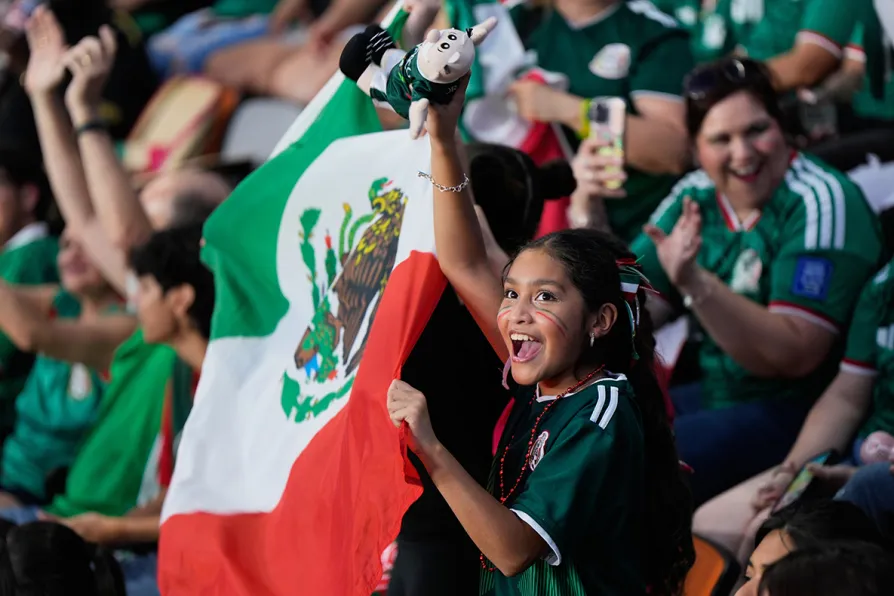
England survived a thrilling Azteca encounter, but the stadium and its supporters created one of the tournament’s defining nights, writes JAMES NALTON
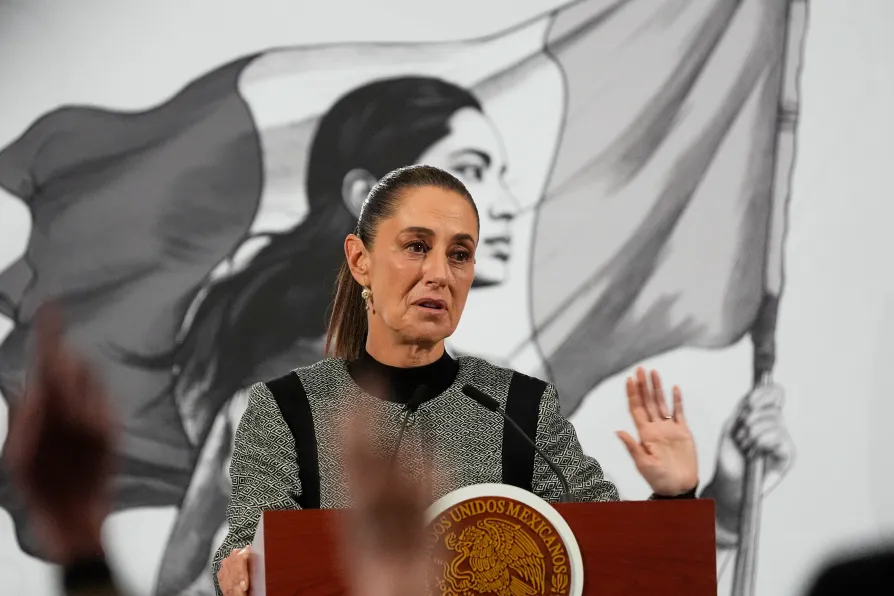
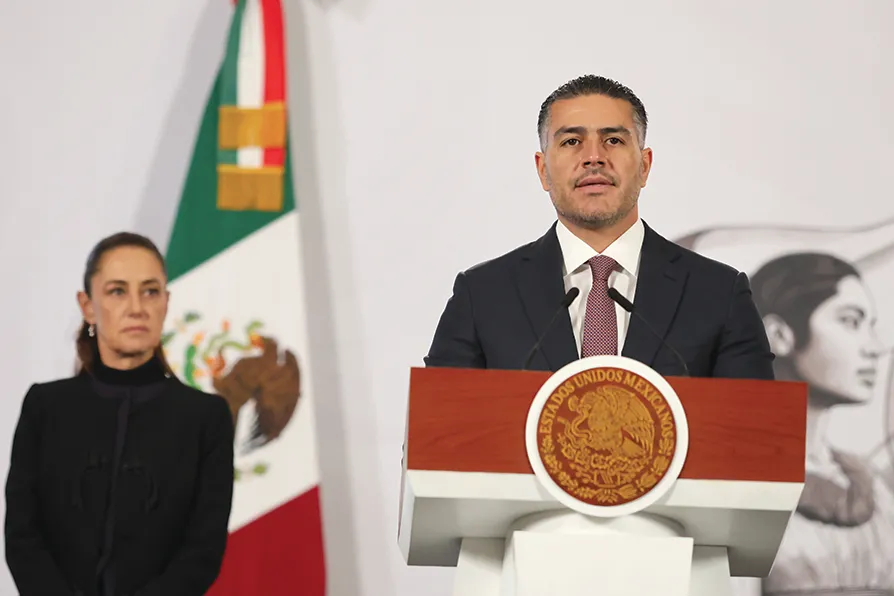
DAVID RABY explains the background of the recent upheavals in Mexico
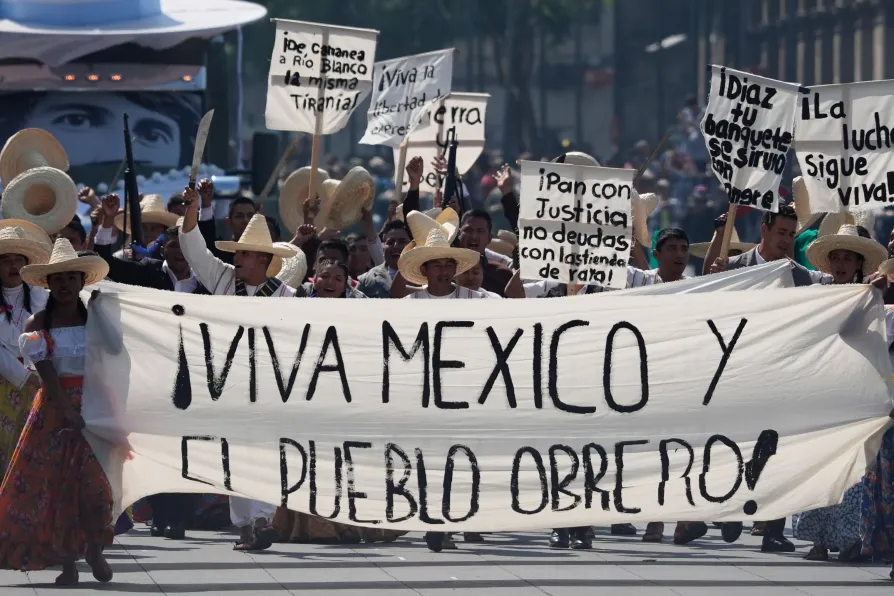
A November 15 protest in Mexico – driven by a right-wing social-media operation – has been miscast as a mass uprising against President Sheinbaum. In reality, the march was small, elite-backed and part of a wider attempt to sow unrest, argues DAVID RABY