 School children in a classroom






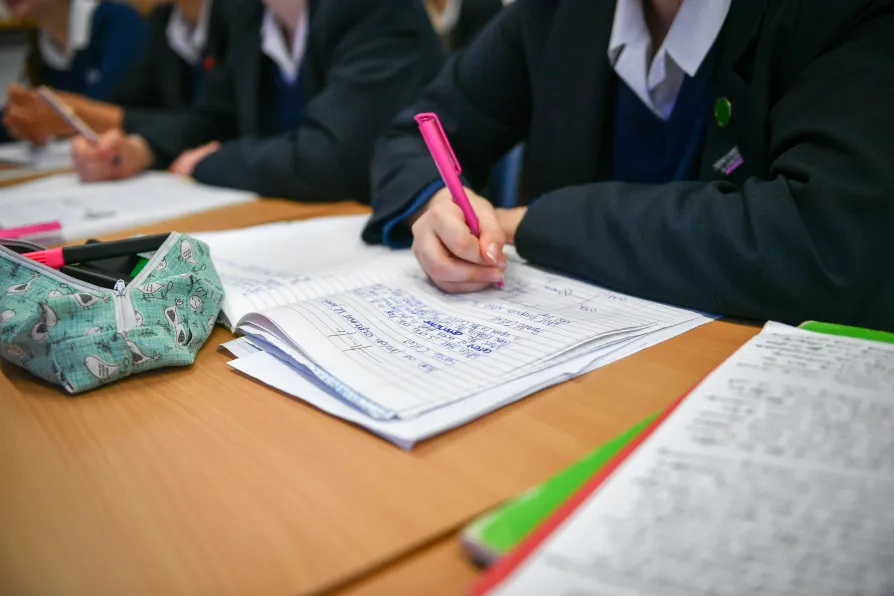
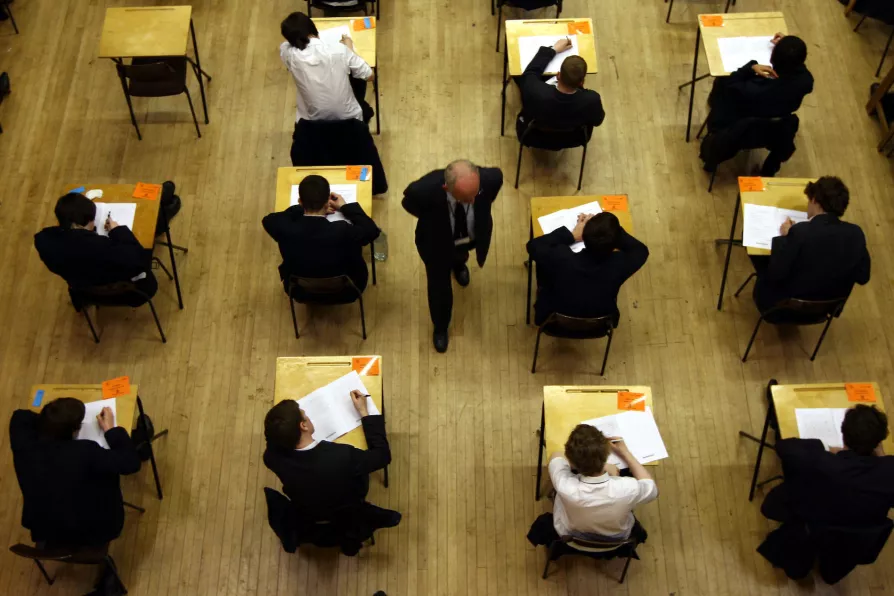
FEWER than one in four students from the poorest backgrounds received private tutoring last year, according to new data published today.
Access to tutors for students from less affluent families rose to 23 per cent in 2025, up 3 per cent from the previous year, according to polling by the Ipsos Young People Omnibus survey, for the Sutton Trust.
But this continued to trail the 30 per cent of students from Britain’s most affluent backgrounds who had received private help.
The unequal access highlighted follows previous research by the Sutton Trust which said three in five state schools (58 per cent) had reduced their tutoring offer from the previous year.
National Education Union general secretary Daniel Kebede said the findings are a “stark reminder of the funding pressures facing schools.”
“Schools are running on empty and have been forced to cut back vital support for disadvantaged pupils,” he said.
Mr Kebede explained that tutoring should be a tool to “help level the playing field” but the government’s 2024 decision to cut the National Tutoring Programme “pulled the rug from under schools.
“Almost 60 per cent have since reduced their tutoring offer, widening the gap between disadvantaged pupils and their peers and further concentrating tutoring among the most affluent.”
The government has announced the deployment of artificial intelligence (AI) tutoring tools in schools by the end of 2027, suggesting it could counter unequal access to private lessons.
But Mr Kebede warned the government against using AI as a band-aid solution, noting: “The evidence for AI tutoring simply isn’t there at the moment.”
He said: “Without proper resourcing, regulation and human intervention, AI tutoring risks further deepening divides, particularly as wealthier families turn to human tutors to avoid AI-based learning.
“AI tutoring should support, not replace, face-to-face teaching and must be grounded in independent research, safety and professional oversight.
“Technology is not a panacea for improving outcomes for disadvantaged children.”
The Ipsos data relied on interviews with 3,214 young people aged 11 to 17 and as well as the wealth gap, it measured a regional gap in access to private tutors.
Researchers said 45 per cent of pupils in the capital said they accessed tutors last year, compared with only 23 per cent in the Midlands and East regions of England.
The Department for Education has been reached for comment.