
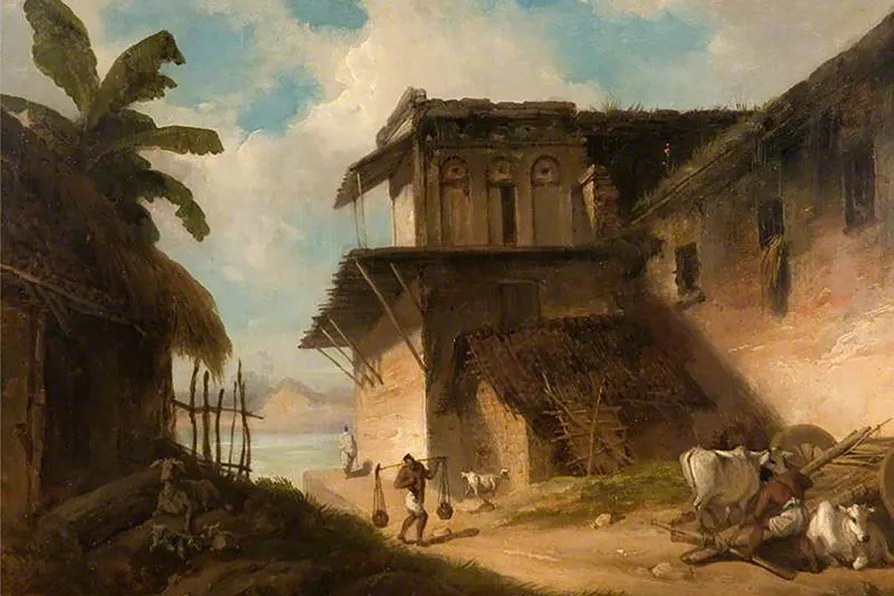
APURBA CHATTERJEE explains how British artists in India used the “picturesque” to reshape colonial landscapes and celebrate imperial power


Corbyn and Loach vs the media
RITA DI SANTO draws attention to a new film that features Ken Loach and Jeremy Corbyn, and their personal experience of media misrepresentation
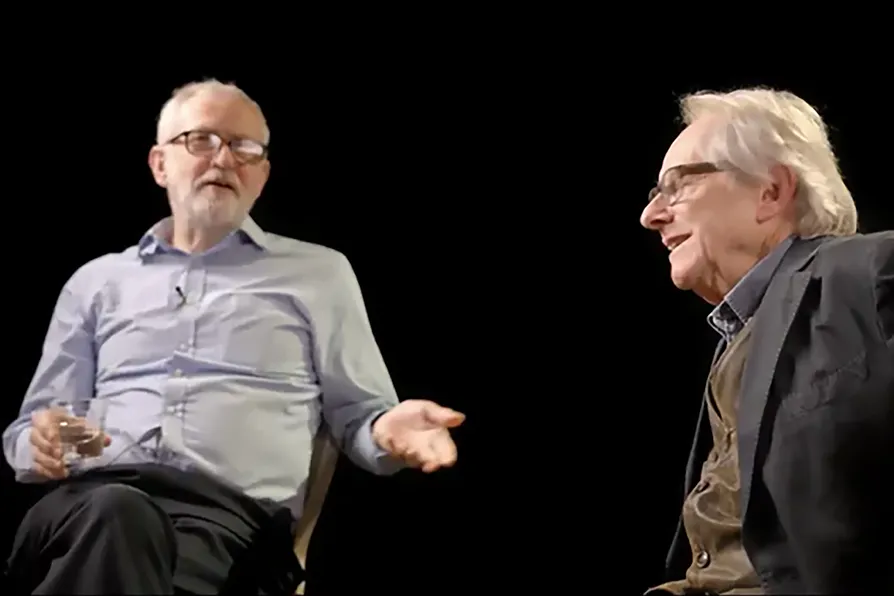
 AGAINST MISREPRESENTATION: Jeremy Corbyn and Ken Loach in Victor Frega's The Bad Patriots [Pic: IMDb]
PAUL DONOVAN welcomes a revival of Reginald Rose’s classic play that reminds us of the fundamental need for trials with juries
SIMON PARSONS applauds an exceptional performance of Wesker’s little-known play, by the same actor for whom it was written 45 years ago
ANDY HEDGECOCK and MARIA DUARTE review Late Fame, The Death of Robin Hood, Leviticus, and Gail Daughtry and the Celebrity Sex Pass
ANGUS REID recommends a uniquely accomplished documentary collage that contemplates our relation to the natural world
GORDON PARSONS enjoys Kant’s ‘mind-boggling’ theory of human reality: that we create the reality we experience





IN AN era characterised by the swift dissemination of disinformation, the manipulation of media and public perception has become a significant global issue. Disinformation campaigns are becoming increasingly sophisticated, employing advanced digital tools to sway public opinion and destabilise democratic processes. This is a worldwide phenomenon, not confined to any single region.
Victor Fraga’s documentary, Loach vs Corbyn The Bad Patriot, addresses this critical issue. The film begins with a poignant quote from Malcolm X: “If you are not careful, the newspapers will have you hating the people who are being oppressed and loving the people who are doing the oppressing.”
Fraga, a Brazilian-British film critic and filmmaker, gained recognition for his earlier documentary, Coup d’Etat Factory, which was an investigation into the part played by Brazilian media to knock down Lula Da Silva Workers’ Party to put Bolsonaro in power. The success of that film, particularly in Britain, inspired him to centre his next, the second of a planned trilogy, on two notable figures in this country: politician Jeremy Corbyn and filmmaker Ken Loach. The film links these individuals and examines the media’s negative portrayal of progressive viewpoints through their discussions.
The documentary is structured in three segments. The first features a conversation with Ken Loach, a distinguished social realist filmmaker with over 60 films. Loach reflects on his early career at the BBC, noting the greater freedom he experienced then compared to now. He shares challenges he faced, such as including a quote by Trotsky, and discusses the political censorship he encountered. The film includes clips from Loach’s works, showcasing his talent for conveying meaningful political messages through storytelling.
In the second segment, Jeremy Corbyn discusses how the media misrepresented him, manipulating stories to undermine his political efforts. He recounts humorous instances, such as a media portrayal linking him to Chairman Mao due to his use of a bicycle. Corbyn emphasises his commitment to campaigning for social justice rather than relying on big business.
The final segment features a discussion between Loach and Corbyn, exploring themes of media prejudice and geopolitical issues from their personal perspectives.
Both Loach and Corbyn embody values often associated with British ideals, such as democracy and equality. However, they have faced vilification from the media, being labelled “bad patriots” despite their dedication to the public good. It is evident that the strategies to discredit Corbyn and suppress Loach’s films stem from their commitment to their beliefs.
Fraga incorporates humour into the documentary to balance its serious themes, using poetic freedom to blend quotes about Loach and Corbyn with broader societal critiques. The documentary includes a soundtrack that highlights the harsh language used by the media against Loach and Corbyn, demonstrating how media shapes political narratives.
Although aimed at progressive audiences, the film is designed to attract a broader viewership. Fraga faced challenges during post-production, including unexpected censorship, which reflects the issues the film addresses. Unlike his Brazilian project, The Bad Patriots encountered significant resistance in Britain, highlighting ongoing media suppression. Nevertheless, the film will be available on major streaming platforms, increasing its accessibility.
Victor Fraga’s The Bad Patriots offers a thoughtful examination of media prejudice and its effects on progressive voices, underlining the difficulties faced by those who challenge the status quo. Fraga’s documentaries emphasise that the tactics of media manipulation are universal, transcending borders. As he continues to develop his trilogy, the insights from this project will contribute to ongoing conversations about media manipulation and political discourse worldwide.
The Bad Patriots is available now on Amazon Prime, Apple TV, Vimeo, and YouTube.
