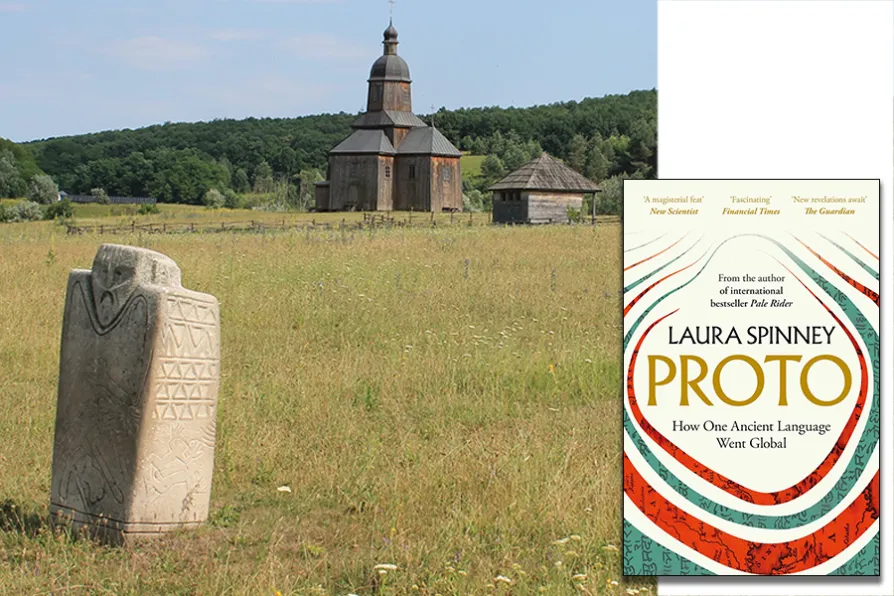
KEN COCKBURN traces the one original language – that of the Yamnaya pastoral nomads – from which all European and Indian languages derive


 Latest editorial
‘I did it for art. I did it for love. But most of all I did it for myself’
JULIA TOPPIN recommends Patti Smith’s eloquent memoir that wrestles with the beauty and sorrow of a lifetime
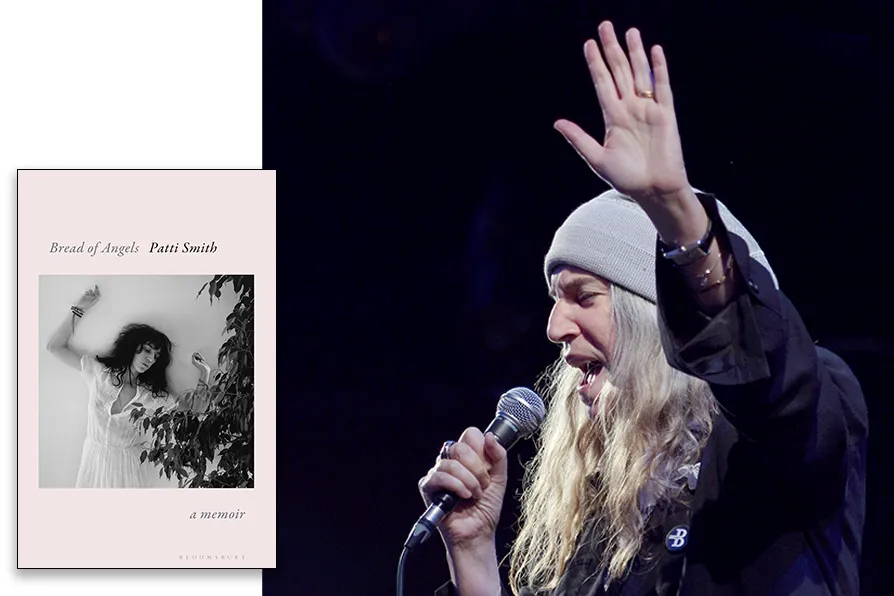 Patti Smith, 2014 [Pic: smial/CC]
PAUL DONOVAN is fascinated by the debunking of the iconic British war hero
ALEX HALL recommends a searing panorama of our global predicament
Comics are not just superheroes and spandex – it can be public art, telling public stories, suggests HARRIET EARLE
ALEXEI SAYLE speaks to Angus Reid about a lifetime of protest, how to hone political art – and what to do now
The bard serenades the Diggers of Wigan and their festive followers





Bread of Angels
Patti Smith, Bloomsbury, £25
DOCUMENTING the life of an extraordinarily talented musician and writer, Bread of Angels — Patti Smith’s latest memoir, published at the age of 78 — further charts a life filled with genius, creativity, adversity and tragedy.
“It took a decade to write this book, grappling with the beauty and sorrow of a lifetime,” she wrote. “I’m hoping that people will find something they need.”
Bread of Angels follows on from Just Kids (which details her relationship with the artist Robert Mapplethorpe), M Train (which focuses on her life with her husband Fred “Sonic” Smith), and Year of the Monkey (written after a year of travelling in 2016, examining loss and ageing).
Released on the date of her late husband’s death, and close to the 50th anniversary of her seminal debut album, Horses, Bread of Angels, is a deeply personal and authentic story that will provide inspiration for women trying to forge a career in the music industry.
The memoir takes the reader on a journey through the myriad roles Smith has inhabited: daughter, sister, invalid; friend, collaborator, activist; lover, poet, musician; wife, mother, widow. This moving account of a life well lived details the highs and lows of walking the earth as a woman.
Bread of Angels begins in infancy, building up a portrait of a young artistic and creative performer who gives it all up for love at the height of her fame. It ends with a rediscovery of music, writing and being on the road as a touring performer.
The six-decade rollercoaster ride that Smith describes so eloquently serves as a reminder that there is no joy without pain. And sadly, that perhaps the most creative of us are those to whom fate has been most unkind. Yet, to read how Smith has lived, created, loved and lost while staying true to herself is an uplifting experience.
Smith endured a childhood of hardship, frailty and illness boosted by a mother who used art — from Puccini’s Madame Butterfly to Lewis Carroll’s Alice in Wonderland — to inspire her daughter to stay alive. Bread of Angels starkly illustrates the plight of a post-war working-class US family moving from place to place to stay above the poverty line.
Moving into young adulthood, Smith quickly rejects a conventional life and blossoms into an artist and key collaborator in the New York punk scene. Here she lives in the notorious Chelsea Hotel alongside contemporaries Robert Mapplethorpe, Bob Dylan, Allen Ginsberg, Janis Joplin, Jimi Hendrix and Andy Warhol. But the focus of Bread of Angels is Smith’s career as a recording artist, and falling in love, marrying and forging a family.
Smith’s career as a recording artist parallels many of the challenges facing women in the music industry. It satisfyingly describes Smith’s insistence on asserting her creative independence in a male-dominated environment that seems to want to control every aspect. Smith’s refusal to submit to the patriarchal control that is still so pervasive in the industry will resonate with many women.
But more importantly, Bread Of Angels will probably embolden young female artists to reject this pressure. Smith made a brave decision to go for less money and sign with legendary A&R Clive Davis of Arista Records. Davis honoured his promise that Smith would have full creative control, which led to eight albums.
These include her groundbreaking debut Horses (produced by JJ Cale), the politically charged Radio Ethiopia (produced by Jack Douglas) and Easter (produced by Jimmy Iovine), which included Smith’s biggest hit Because The Night. It is fascinating to read the author’s recollections on how various albums were produced, including her initial ambivalence about the track written with Bruce Springsteen that would become her most well-known song.
Then there’s the startling tale of Smith’s infamous stage accident on tour in Tampa, Florida, where she tripped and fell 15 ft into a concrete orchestra pit, breaking several vertebrae in her neck. Once again she returns to the convalescent bed of her youth. Her recovery was a great period of reflection that allowed Smith to re-evaluate her life. To get back to music, she joined a strenuous sports rehabilitation programme while writing her first published collection of poetry entitled Babel.
At the height of her fame after the release of Easter, Smith gives it all up to go and live with the love of her life, Fred Smith. She states simply: “I did it for art. I did it for love. But most of all I did it for myself.”
She describes their instant attraction and marriage as inevitable. They make a life in Michigan, have two children and immerse themselves in reading, writing and being by the sea. Smith creates Virginia Woolf’s notion of a room of one’s own in the kitchen and allows the writer within her to fully evolve.
The penultimate section of the book is permeated with grief, loss and pain as Smith loses several people dear to her. These include the man she describes as the “artist of her life,” Robert Mapplethorpe; the “love of her life” Fred Smith; her brother Todd; and several friends during the Aids epidemic.
A yearning for purpose following an extended period of grieving leads Smith back on the road, where this memoir ends, leaving the reader with a sense of Smith’s relentless vitality and positivity.
Bread of Angels is a beautifully life-affirming memoir. Smith’s eloquent rendering of an extraordinary life makes the ending inspiring when it could have easily been profoundly sad. Patti Smith remains, as she enters her 80th year, a touchstone for women in music everywhere.
Julia Toppin is a senior lecturer in music enterprise and entrepreneurship at the University of Westminster.
This article is re-published from TheConversation.com under a Creative Commons licence.
Please DO NOT REMOVE. —><img src=”https://counter.theconversation.com/content/271067/count.gif?distributor=republish-lightbox-basic” alt=”The Conversation” width=”1” height=”1” style=”border: none !important; box-shadow: none !important; margin: 0 !important; max-height: 1px !important; max-width: 1px !important; min-height: 1px !important; min-width: 1px !important; opacity: 0 !important; outline: none !important; padding: 0 !important” referrerpolicy=”no-referrer-when-downgrade” /><!— End of code.

Similar stories
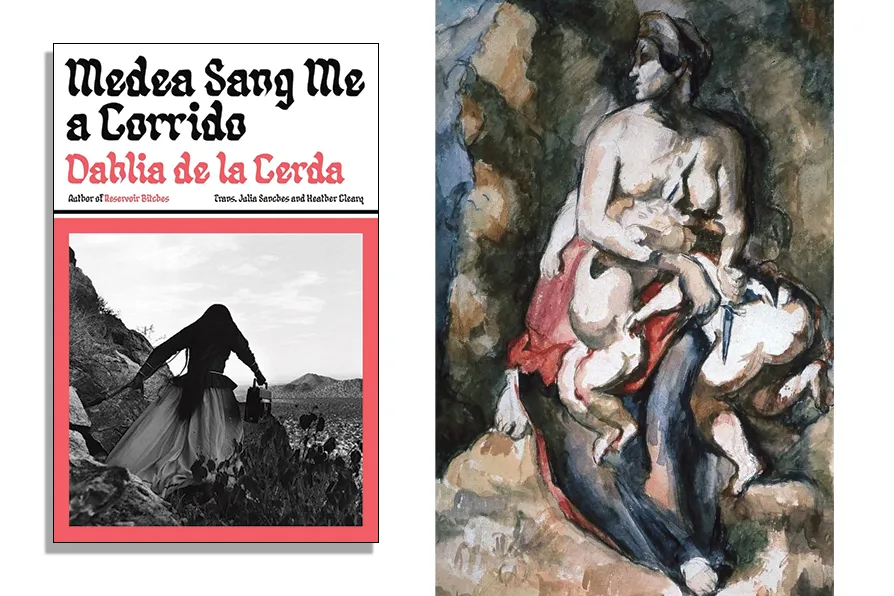
In a season of Greek mythology NIAMH THORNTON looks at an intriguing relocation of Medea to contemporary Mexico
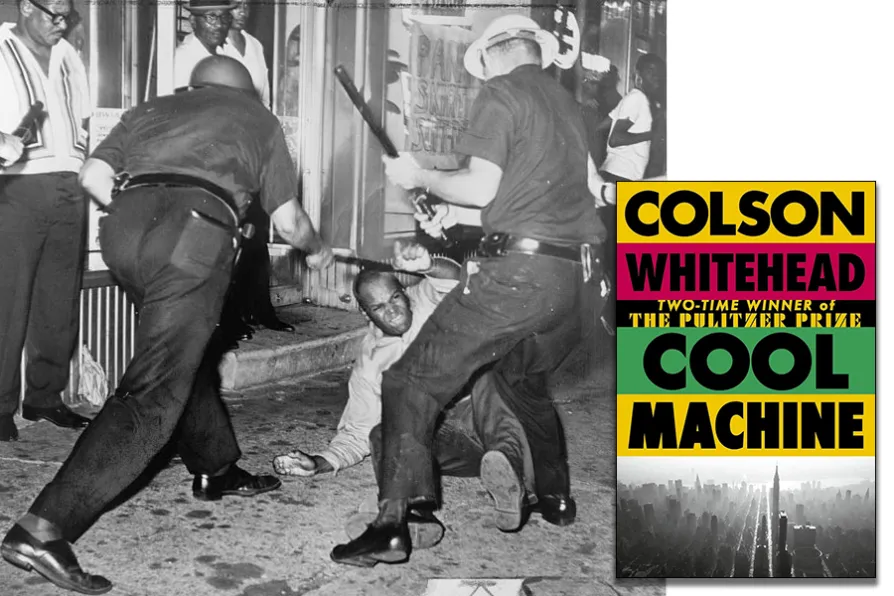
DOUGLAS FIELD relishes the hard-boiled language, satire and humour of the third and last of the Harlem trilogy
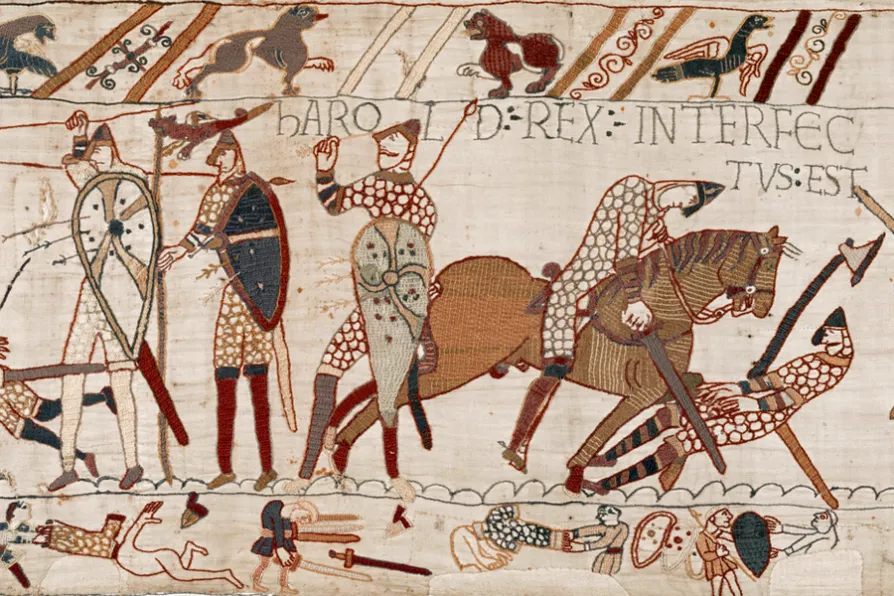
STEPHANIE BROWN draws attention to the hidden labour of the female embroiderers, and how a 19th century replica made no such error
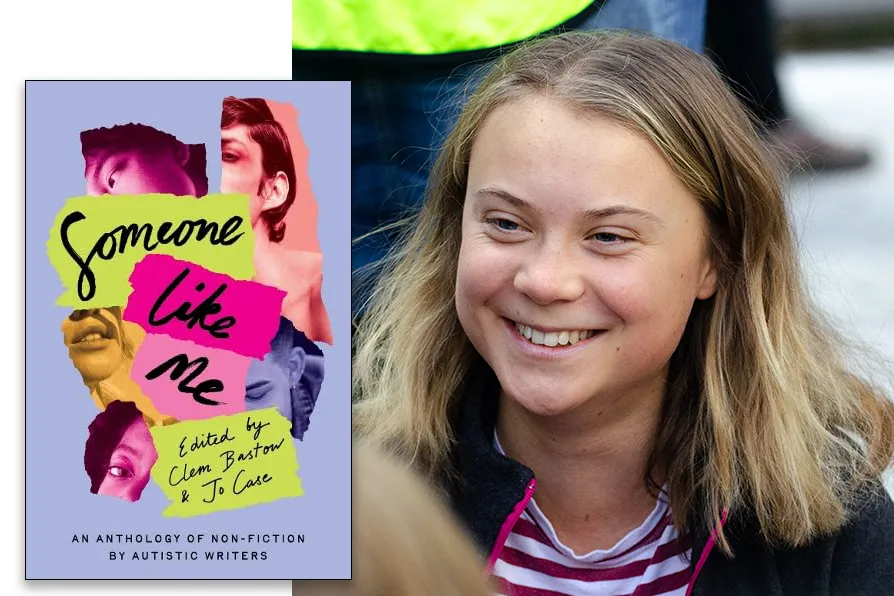
JOSEPHINE BARBARO welcomes a diverse anthology of experiences by autistic women that amounts to a resounding chorus, demanding to be heard