

 Latest editorial
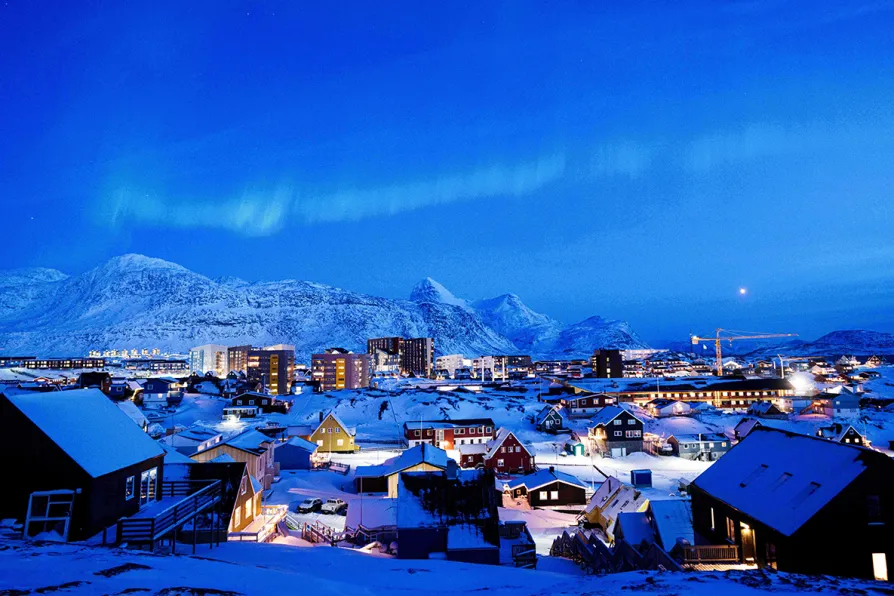 An Aurora Borealis is seen in the sky above Nuuk, Greenland, January 20, 2026






DONALD TRUMP’S intransigence on annexing Greenland is leading more people to question the US alliance than ever before.
A YouGov poll this week found not only that a majority of British people would support expelling US troops from Britain if the US invades Greenland — but that that majority was reflected across supporters of every political party listed except Reform UK, including the Conservatives (and even among Reform supporters a third said they’d back the move).
Though Trump’s threats against a Nato ally prompted the question, the attitude shift almost certainly reflects longer-standing public unease about our military alliances and deployments. The enormous movement in solidarity with Palestine has built widespread understanding that our military has been an accessory to genocide, and that Britain and British bases are platforms for the still greater involvement of the United States in supplying and assisting Israel’s murderous war.
This can be the basis for a mass anti-imperialist movement — one moving beyond revulsion at individuals like Trump or Benjamin Netanyahu into rejection of the warmongering logic of British rearmament and the Nato alliance itself. Awareness of this risk no doubt motivated the formation of the Labour Friends of Nato group this week. Until recently support for the alliance could simply be assumed outwith the party’s radical fringe.
Winning public opinion to this anti-imperialist position means clearly differentiating ourselves from the liberal responses to Trump, whether these are carefully crafted speeches like that of Canadian Prime Minister Mark Carney or private text messages like those of French President Emmanuel Macron, humiliatingly leaked by his US counterpart.
Carney’s speech has been widely praised, seen as a contrast to the squirming of European leaders.
Its admission that the “international rules-based order was partially false,” that strong countries always ignored the rules when convenient and “international law applied with varying rigour depending on the identity of the accused or the victim,” is welcome in dropping the fiction (he used the word) that the international set-up pre-Trump was either just or law-abiding; and if anti-war socialists have been making the same point for years, it is still striking to hear it from a Western prime minister.
At the same time, a refusal to be specific allows apologists for that “rules-based order” to evade responsibility for the appalling crimes committed in its name. We need specifics because the victims of imperialist aggression need us to work for specific changes in government policy.
So we should say that while threats to attack Greenland (and repeated hints at ambitions to annex Canada itself) have moved Carney to open defiance of the United States, these words should have been said on behalf of Palestine, and Canada, like Britain and most European Union member states, has helped facilitate race war and ethnic cleansing against the Palestinians.
Our governments did not wink at Israeli or US crimes because we were selective in applying rules: we were actively involved in helping commit those crimes and that needs to change, through ending all military co-operation with both countries.
Similarly, saying “trade rules were enforced asymmetrically” is no substitute for calling out the machinery of economic warfare via the illegal blockade of Cuba and the extensive sanctions against countries including Venezuela or Iran that have caused tremendous suffering and have no basis or justification in international law. And we need action: an end to copycat British sanctions applied to targets of Washington’s malice and a commitment to assist victims, emulating measures like the direct emergency food aid China is currently delivering to Cuba.
Macron’s texts expose Western leaders’ complicity in US crimes in countries like Syria and Iran while they plead he stops picking fights with Europe.
Their message is as important as Carney’s lecture: we must oppose not just Trump, but the whole hypocritical imperialist order, in its liberal as well as its far-right guise.

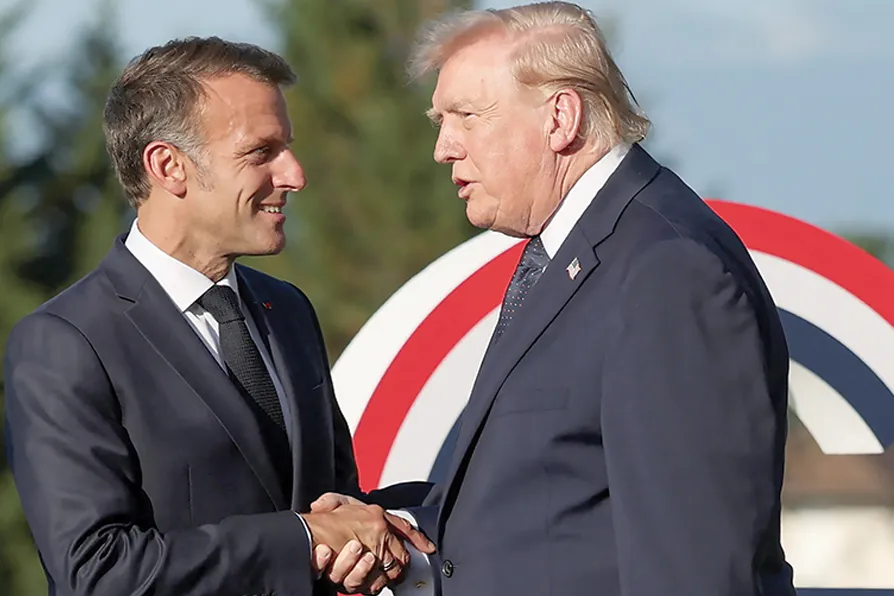
While millions face poverty and public services are squeezed, France is committing billions to defence spending and weapons production, in a dangerous shift towards permanent preparation for war, says CONOR BOLLINS
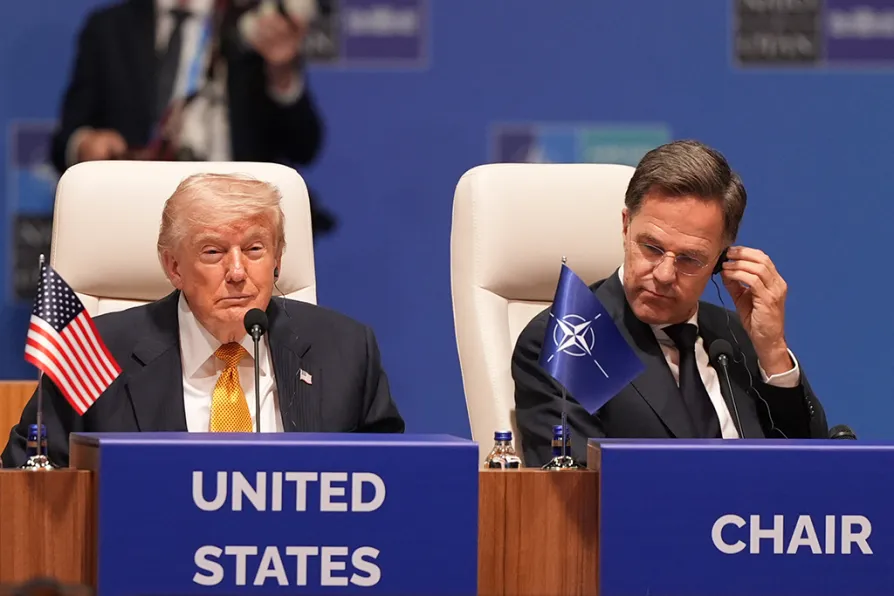
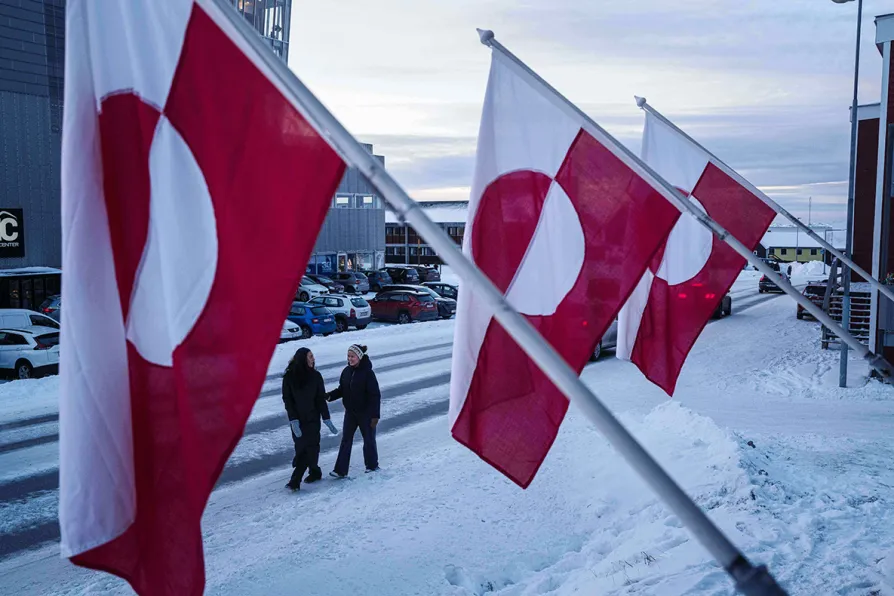
Despite opposition from Greenland’s people and Denmark, Washington intends to control the Arctic territory one way or another. Strategic dominance, mineral wealth and military power are the driving forces at play, writes ROGER McKENZIE
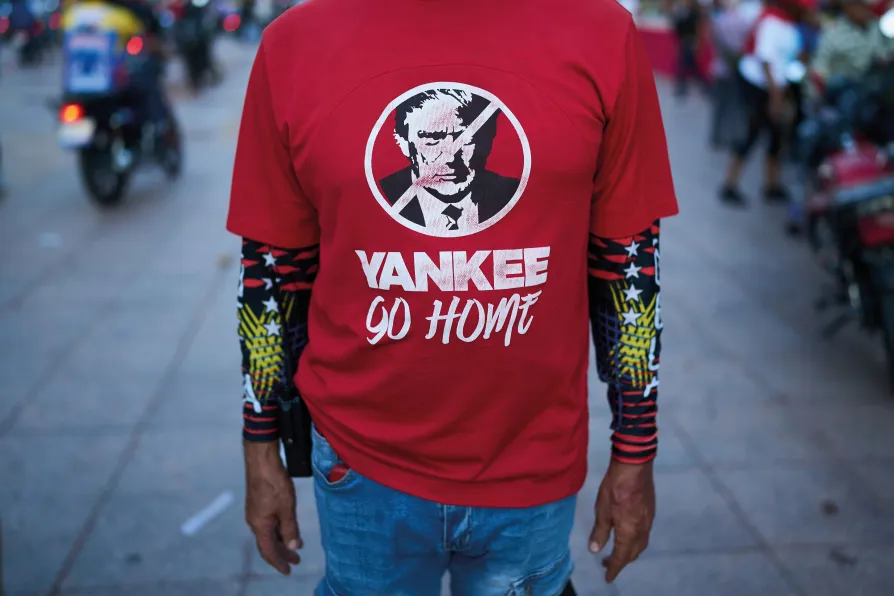
Western nations’ increasingly aggressive stance is not prompted by any increase in security threats against these countries — rather, it is caused by a desire to bring about regime changes against governments that pose a threat to the hegemony of imperialism, writes PRABHAT PATNAIK