
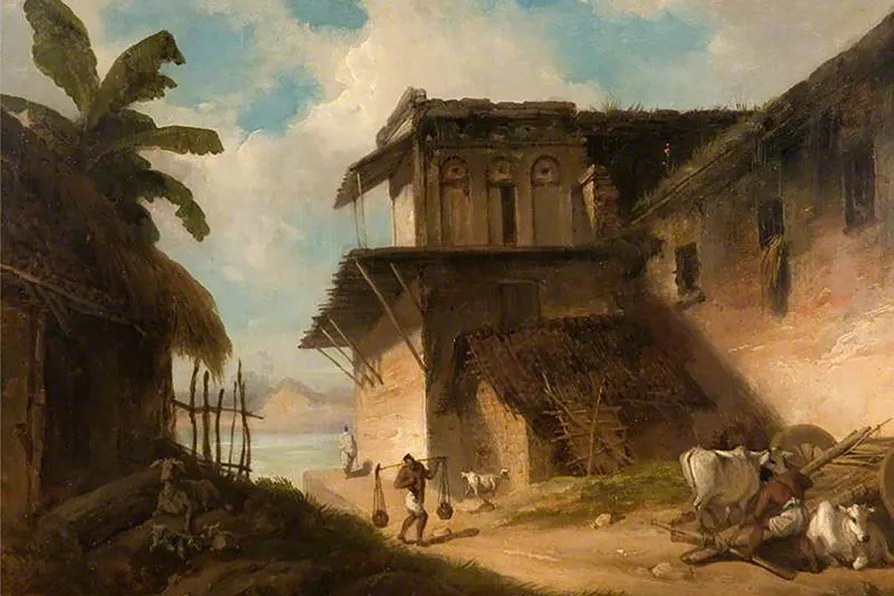
APURBA CHATTERJEE explains how British artists in India used the “picturesque” to reshape colonial landscapes and celebrate imperial power


Interrogating anti-semitism
In search of political understanding, MATTHEW HAWKINS welcomes a critique of anti-semitism as codified by the Israeli state
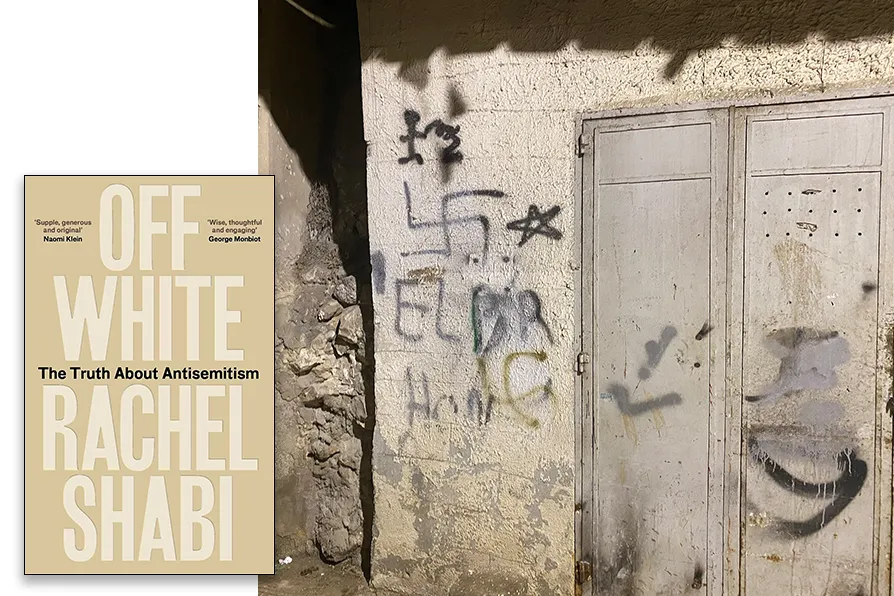
 Swastika graffiti on a building in the Palestinian city Nablus, in the West Bank, January 2022 [Pic: NaturalSoundsYEAH!/CC]
PAUL DONOVAN welcomes a revival of Reginald Rose’s classic play that reminds us of the fundamental need for trials with juries
SIMON PARSONS applauds an exceptional performance of Wesker’s little-known play, by the same actor for whom it was written 45 years ago
ANDY HEDGECOCK and MARIA DUARTE review Late Fame, The Death of Robin Hood, Leviticus, and Gail Daughtry and the Celebrity Sex Pass
ANGUS REID recommends a uniquely accomplished documentary collage that contemplates our relation to the natural world
GORDON PARSONS enjoys Kant’s ‘mind-boggling’ theory of human reality: that we create the reality we experience





Off-White: The Truth About Anti-semitism
Rachel Shabi, Oneworld, £10.99
ACCORDING to Wikipedia, the 3D test of anti-semitism is “a set of criteria formulated in 2003 by Israeli human rights advocate and politician Natan Sharansky in order to distinguish legitimate criticism of Israel from anti-semitism. The ‘three Ds’ stand for delegitimisation, demonisation, and double standards, each of which, according to the test, indicates anti-semitism.”
When Rachel Shabi writes that Sharanski’s tests are near-impossible to satisfy, I believe her. Credibility matters. I’m looking for a source I can trust. I’m looking for a toehold in the cliff face of political understanding.
It has not been edifying to see good people topple. Accusations of anti-semitism are rife and automatic in the global context of the “bad-faith contortions and confusions” that Shabi outlines. I look to Off White: The Truth About Anti-semitism for perspective and insight. It might also provide a self-diagnostic element.
Rachel Shabi’s ethos comprises scrupulous journalistic observation with lived experience as a woman of cosmopolitan Iraqi-Jewish ethnicity. Amid her careful citations, Natan Sharanski of the “3D” tests is dimensionally sketched. His background in the Soviet refusenik movement, challenging anti-semitic persecution in Russia, became applicable to his later role as minister without portfolio in the Israeli government of right-wing hawk Ariel Sharon. Under Sharon, the “3D” tests became instrumental. Though not a bad idea in themselves, the tests set the bar in such a way as to chill critical thought and utterance regarding the unilateral politics of the state of Israel.
Such a template is now ramped up — but not beyond recognition. The mechanism is repurposed big-time, to quell comparison between modern Israel and fascist apartheid regimes, and to aggressively silence critique of applied zionism. In a further remittance of this double-sided coinage, elected liberal governance elsewhere is coerced (or licenced?) to behave as if its hands are tied.
Off White examines Zionism, beyond its localised notions of tribal/racial entitlement. We read about how, across the pond, Christian Zionist evangelists support the expansion of Israel. A second coming of Christ - triggered by all Jews finally residing in Israel - and a subsequent Armageddon, is part of this vision. USA Christian Zionist funding (to the tune of regular billions) is apparently welcome in Israel. The prospect of a forced migration of the Jewish diaspora is a perverse element in this scenario. Who’s life choices would be seen as expendable? This question highlights an axis where antisemitism is entertained rather than actually tackled by historically aware authorities.
Briskly, pointedly, and sometimes clamourously, Off White aligns today’s dualities with classic histories, where diasporic Jews have been cast as darkly alien or else insidiously undetectable. We are reminded how medieval Jews were ghettoised by European nation states on the proviso that they set up the banking services prevented (at the time) by native Christian doctrine. Indeed, the hazard of conditional migration remains an ongoing evil. Communities installed to take distasteful jobs are vilified for allegedly achieving a life coveted by others.
These ideas are tightly braided together. When demonised as a threat to native well-being (a swamping, a takeover) Jews and others are offered murderous violence.
Is it male violence? Rachel Shabi doesn’t study this. Equivalently, I found just a single reference to the factor of people getting “all riled up”. This might be the elephant in the room. There’s surely a set of rules that negotiate the distance between anger and genocidal action. These human factors sit among the things I’m catalysed to think about via this book.
It’s refreshing to feel encouraged in parallel thinking; to be addressed as a curious reader who might change and act for the better — and not just some kind of target.

Similar stories
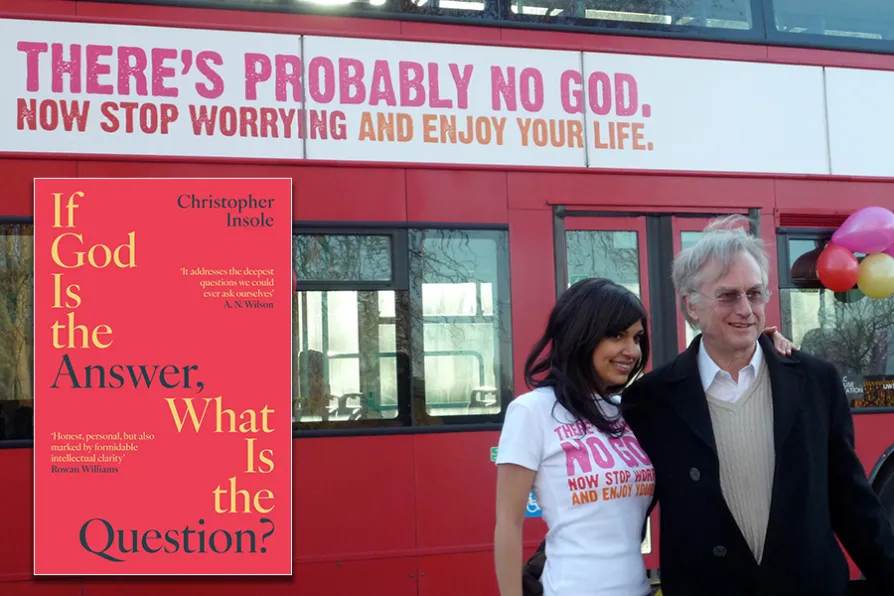
MARTIN HALL welcomes a plea for greater compassion between believer and non-believer via the framework of philosophical enquiry
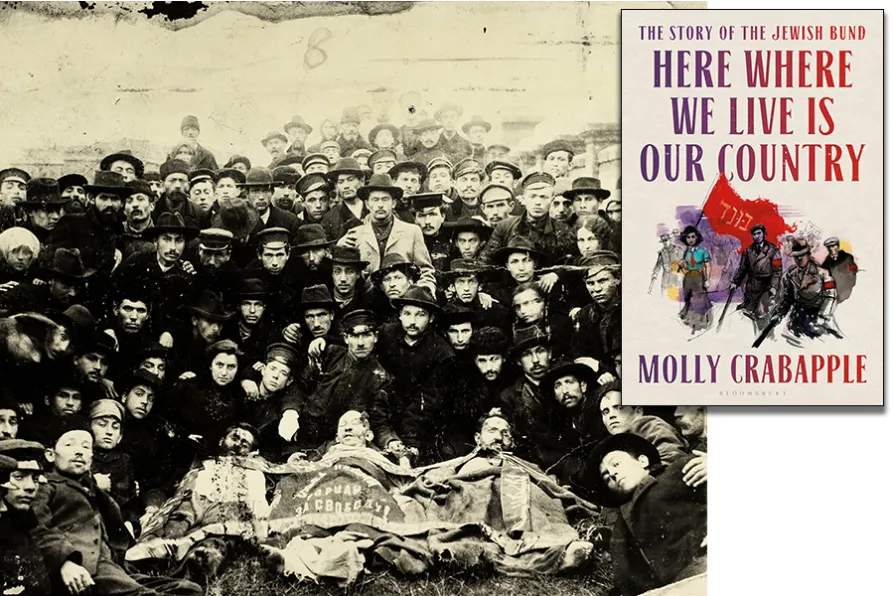
ALEX HALL welcomes a history of the Bund, and its emphatic demand for working-class solidarity across racial and ethnic difference
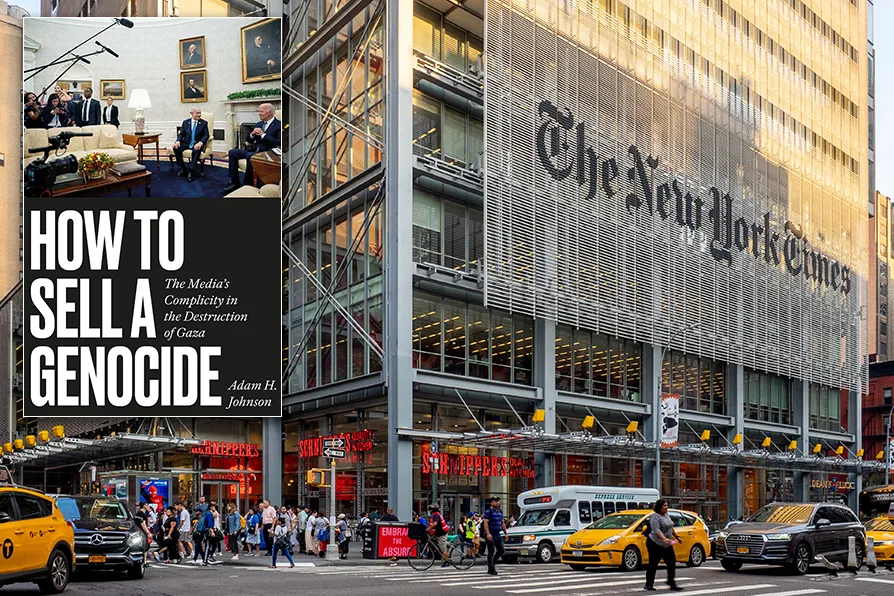
GAVIN O’TOOLE recommends a methodical unmasking of the US media’s complicity in the Israeli genocide, that should be a template for what’s needed to bring Britain’s corporate media to book

As antisemitism grows, the labour movement must recommit to defence of minorities while navigating the complexities of Gaza and global politics, argues NICK WRIGHT