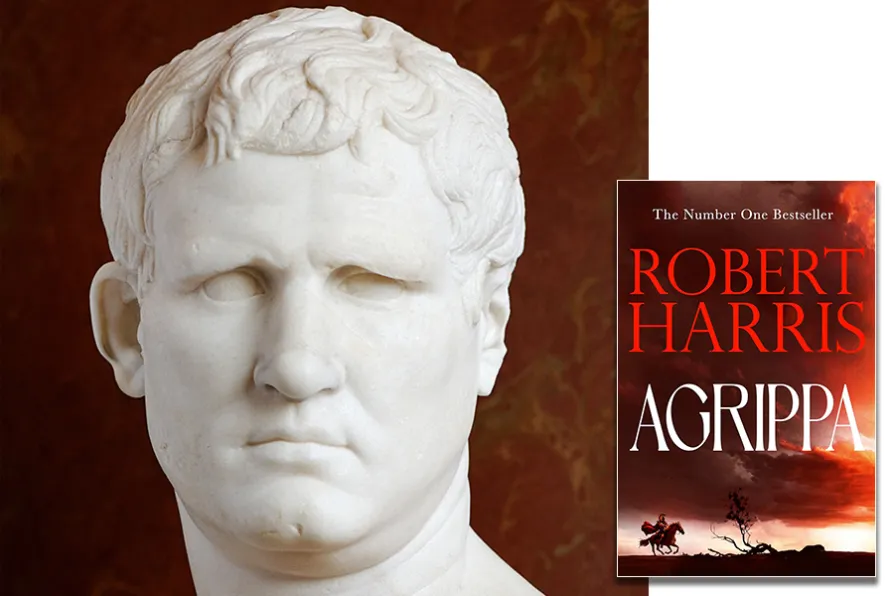
CATHERINE STEEL relishes a compelling novel about Augustus’s right hand man, but misses the politics, the cultural shifts, and more detail about his restoration of Rome


 Latest editorial

View of ‘city of compassion and wisdom’ at street level
Steve Andrew reviews Radical Glasgow: A Skeletal Sketch of Glasgow’s Radical Tradition, by John Couzin (Clydeside Press, £7.99)
TONY BURKE speaks to JOEL McIVER, co-author of the biography of bluesman John Mayall
A misfit couple unhappily ever after, a dead man walking, dodgy journos, and trench art trucking
New releases from Javon Jackson, IZE Trio, and Mal Waldron Trio
PAUL DONOVAN applauds an intriguing multi-layered depiction, dominated by a stunning impersonation of Marilyn herself
EWAN CAMERON marvels at the impossible ambition, realised with dreamlike finesse of translating Italo Calvino to the stage





Glasgow has a rich and vibrant history of working-class revolt and although this book styles itself as “skeletal,” it’s a more than worthwhile contribution if only for the passion that the author brings to his subject.
Beginning in the late 18th century, Couzin’s story of “the city of compassion and wisdom” runs through to the present day, with major industrial strikes covered in reasonable detail. The UCS work- in of 1971-72 is fairly well known, yet others like the 1787 weavers’ strike are less so and Couzin does a valuable job in rescuing them and community-based struggles such as the great rent strikes from historical obscurity.
And he details the mass opposition to war and conscription that serve as a timely rebuke to revisionist accounts of anti-war movements.

Similar stories
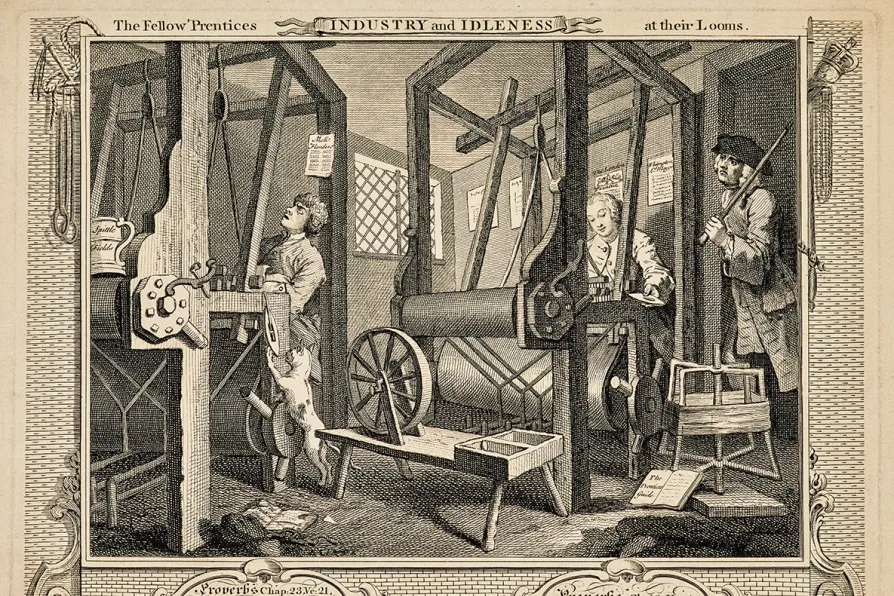
Glasgow will remember the martyrs of the 1787 strike this weekend in speech and song, their spirit is sorely needed today, writes JIM LISTER
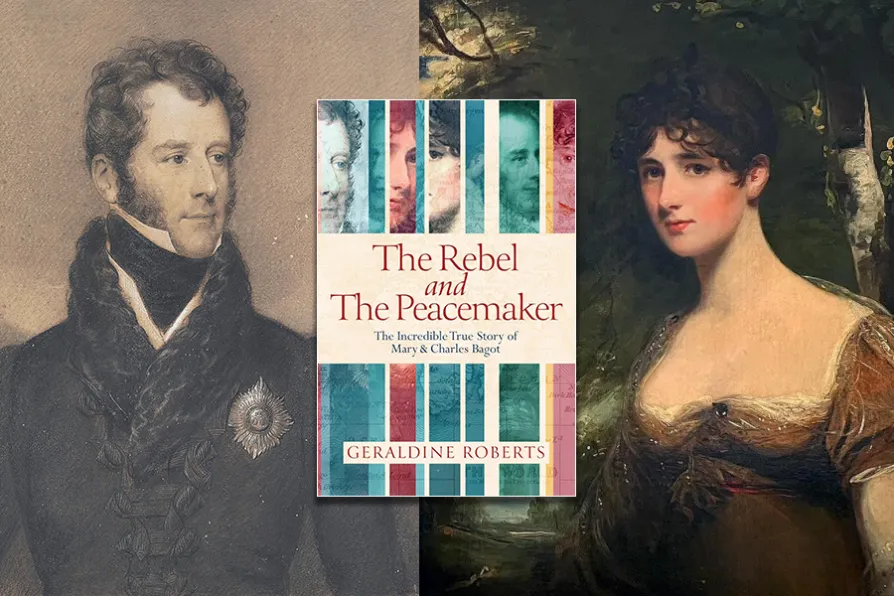
PAUL DONOVAN is fascinated by the lives of Charles and Mary Bagot, and the insight this biography shines on the morals of pre-Victorian society
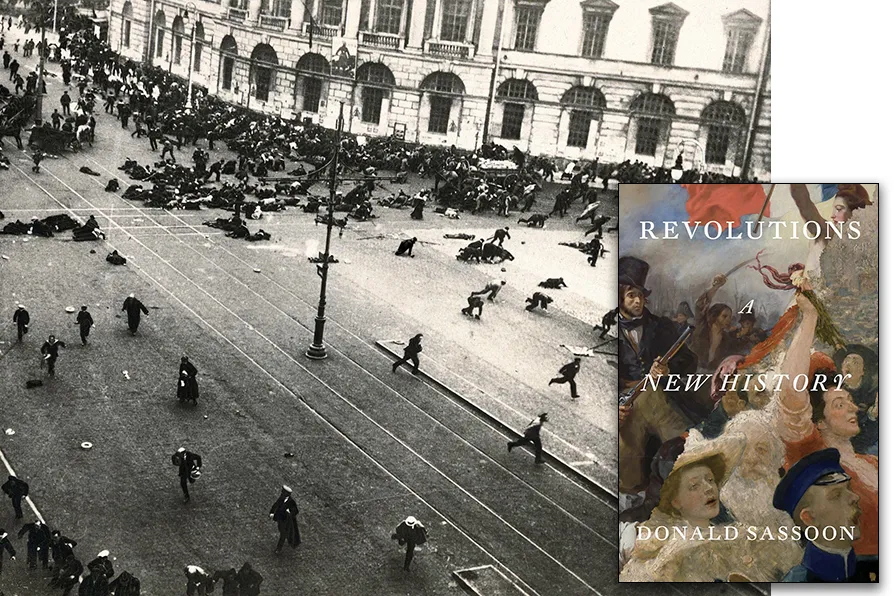
HENRY BELL follows the lineage of revolutions, from the English to the Chinese, and asks where revolutionary politics exists today
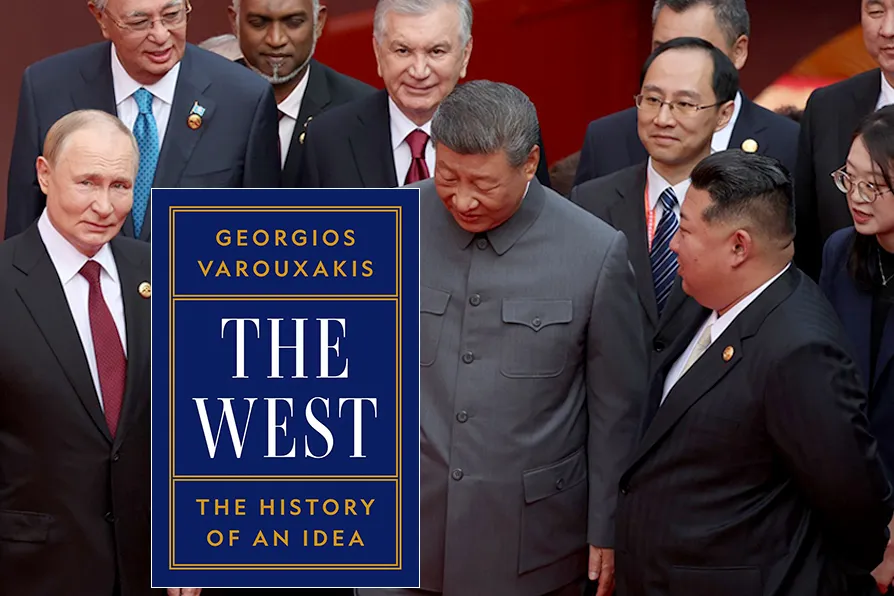
BRENT CUTLER is intrigued by the imperialist, supremacist and contradictory history of a word that is used all too easily