Committee for the Defence of the Iranian People’s Rights general secretary GAWAIN LITTLE discusses the impact of the US-Israeli war on the Iranian people and economy


 Latest editorial

The most powerful unelected figures in the land
Gavin Williamson should have remembered the National Security Secretariat serve the system, not each government - and Jeremy Corbyn would be wise to remember that too, says NICK WRIGHT
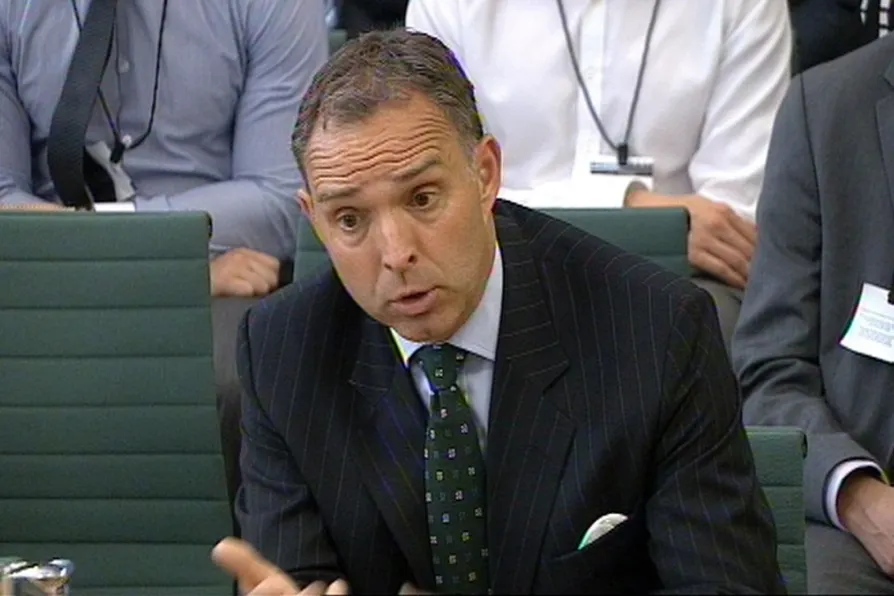 Sir Mark Sedwill
Capitalism has extracted itself from crisis before, argues PRABHAT PATNAIK – but through methods no longer available. So it is turning to authoritarianism, militarism and neocolonialism
The five young men killed in the A66 crash were responsible for a devastating tragedy — but the crash should force us to ask difficult questions about wider society, argues RENATA MEDEIROS MIRRA
Britain funds the policing of black culture 16 times better than the culture itself. The Diamond Jubilee is the moment to end that, argues CLAUDIA WEBBE
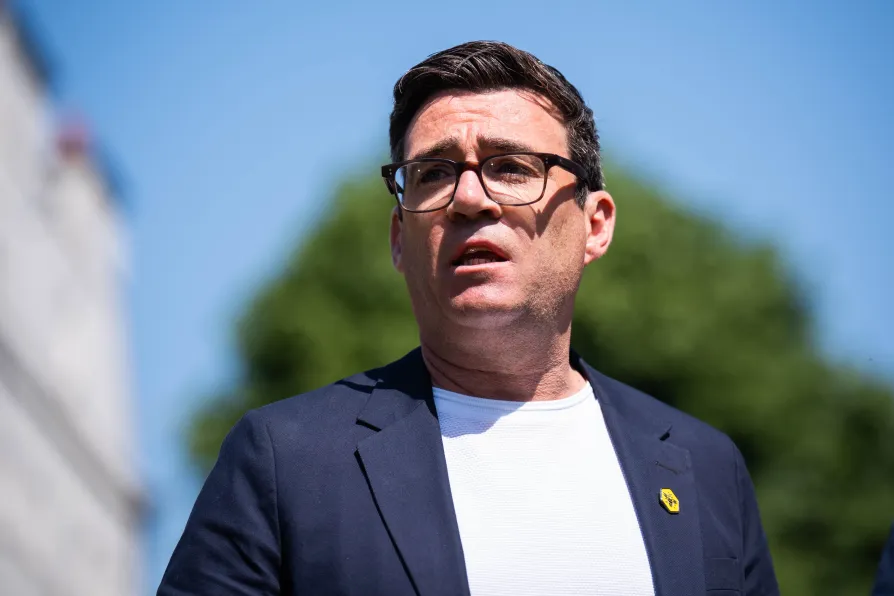
Despite Andy Burnham’s declaration defending the continued partition of the island, all major international and internal trends are converging to make Irish reunification inevitable
Humans are part of the ‘animal kingdom’ – and of nature in general – but also distinct from it and labour (work) is part of what makes us unique, declared Engels. His insights 150 years ago into how our species came to be and how we differ from the rest of nature, are as important today as they were then, says the MARX MEMORIAL LIBRARY





GAVIN WILLIAMSON was chief whip, responsible for discipline, in the most fractious and disunited parliamentary Tory Party in living memory. He helped Theresa May become prime minister and called in the debt to be appointed defence secretary. Williamson then set about proving his inadequacy for the job with such a catalogue of maladroit gaffes and juvenile utterances as to evoke disbelief and hilarity among the military types nominally junior to him in rank and status.
Of course, Britain’s military and security establishment more or less runs itself conscious that ministers come and go while the defence of the imperial realm traditionally depends on the permanent caste of professionals to which they belong by birth or preference.
Where the arriviste Williamson came unstuck was in not taking account of the new importance the security apparatus enjoys.

Similar stories
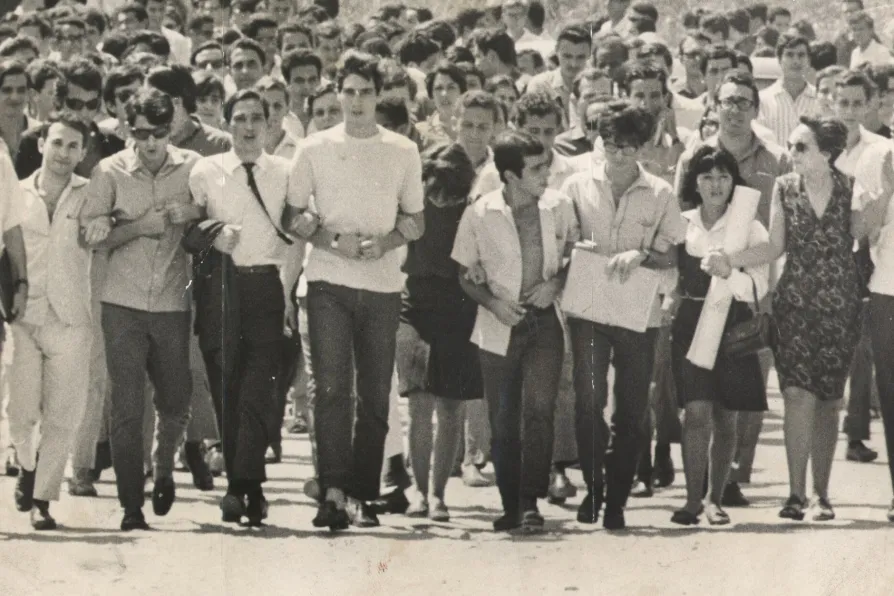
Newly revealed documents reveal that MI5 taught Brazilian secret police the techniques deployed by the 1964-85 military dictatorship in horrific prisons like Rio de Janeiro’s House of Death. SARA VIVACQUA reports
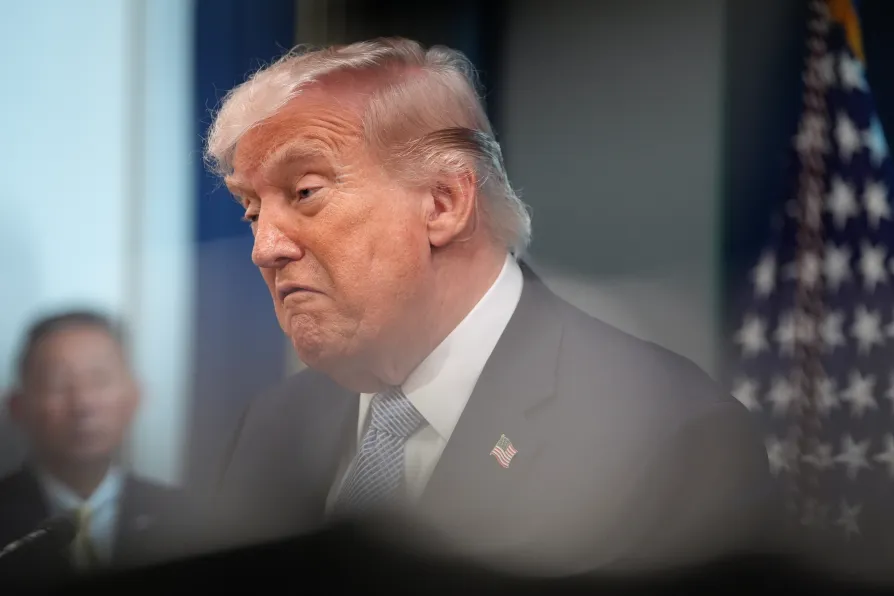
Washington’s response to a downed jet shows a superpower still reaching for overwhelming force even as its wars repeatedly fail, says NICK WRIGHT
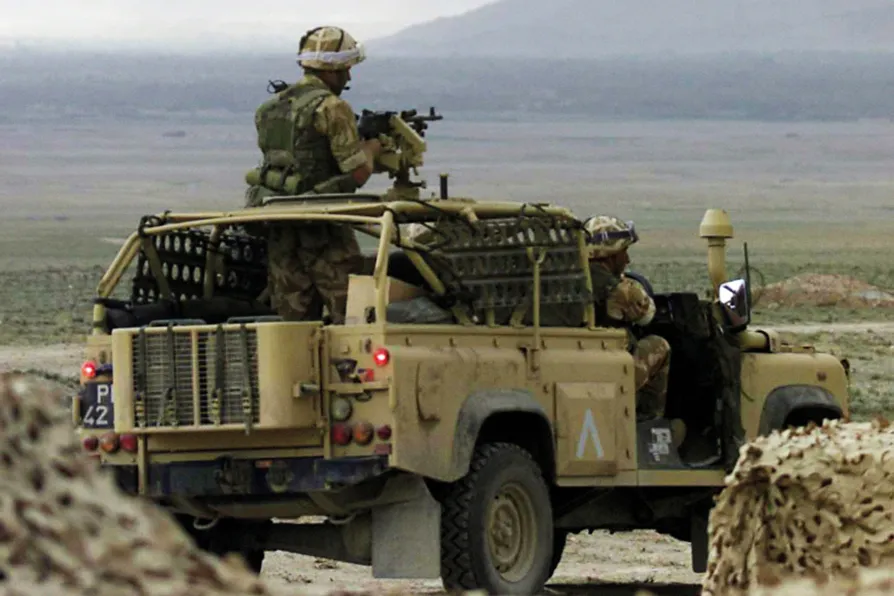
Outrage greeted Donald Trump’s suggestion earlier this year that Britain stayed off the front lines. But evidence suggests our forces were at times pulled from the most dangerous fighting — not by military failure, but by pressure at home, says IAN SINCLAIR