
Washington’s inability to subjugate Iran is an example of how it is trying to preserve a regional order that no longer exists, argues RAMZY BAROUD


Misleading narratives on Labour's defeat have a purpose
GAWAIN LITTLE looks in detail at the different aspects of Labour’s election defeat



US financial instability is exposing the limits of a dollar-dominated global economy — and giving the Global South a historic chance to build an alternative, says MURAD QURESHI
DOUG NICHOLLS says the parasitic finance markets must be challenged or another British government could be toppled
The late country singer’s Imagination Library has put hundreds of millions of books into children’s hands. We should build on that legacy by defending the libraries at the heart of our communities, says BRENDA AITCHISON
Deprivation is a fundamental factor in criminal behaviour that must be addressed but, KENNY MacASKILL argues, there needs to a major rethink in sentencing to tackle overcrowding
MML director MEIRIAN JUMP outlines the recently refreshed library’s busy autumn schedule that ranges from book sales, archival exploration, community work with online education and the ever popular site tours
TONY BURKE surveys the shifting political landscape and the challenges Labour needs to address if it is to prevail in the 2028 federal elections





LAST night, Labour suffered a stunning election defeat, losing seats in its traditional heartlands and handing a substantial majority to a hard-right Tory government.
Cue the multitude of voices clamouring for Jeremy Corbyn to resign, holding him solely responsible for the result, calling for a shift to the back to the “centre ground” (for which read the dominant narrative that only neoliberal market solutions and mass privatisations can gain any traction with the electorate) and for a new leader from the liberal-right Remain wing of the party.
The problem with this analysis is that the facts of the election simply don’t support what effectively amounts to a call for more self-harm by the Labour Party.

Similar stories

IAN LAVERY MP warns that decades of neoliberal policies have left former industrial communities behind — but a renewed Labour commitment to working people could change the political landscape

This by-election could plausibly see both Reform and Labour defeated — but splitting the left insurgent vote would put that at risk, argues CHRIS WILLIAMSON

Your Party can become an antidote to Reform UK – but only by rooting itself in communities up and down the country, says CLAUDIA WEBBE
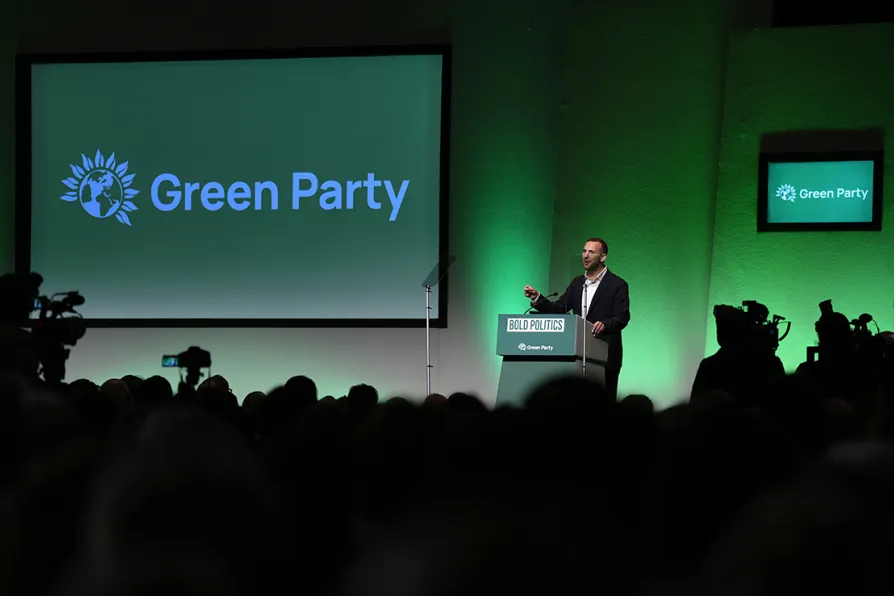
Now at 115,000 members and in some polls level with Labour in terms of public support, CHRIS JARVIS looks at the factors behind the rapid rise of the Greens, internal and external