
Washington’s inability to subjugate Iran is an example of how it is trying to preserve a regional order that no longer exists, argues RAMZY BAROUD


Is Labour coming home after 40 years of hurt?
IAN LAVERY MP warns that decades of neoliberal policies have left former industrial communities behind — but a renewed Labour commitment to working people could change the political landscape
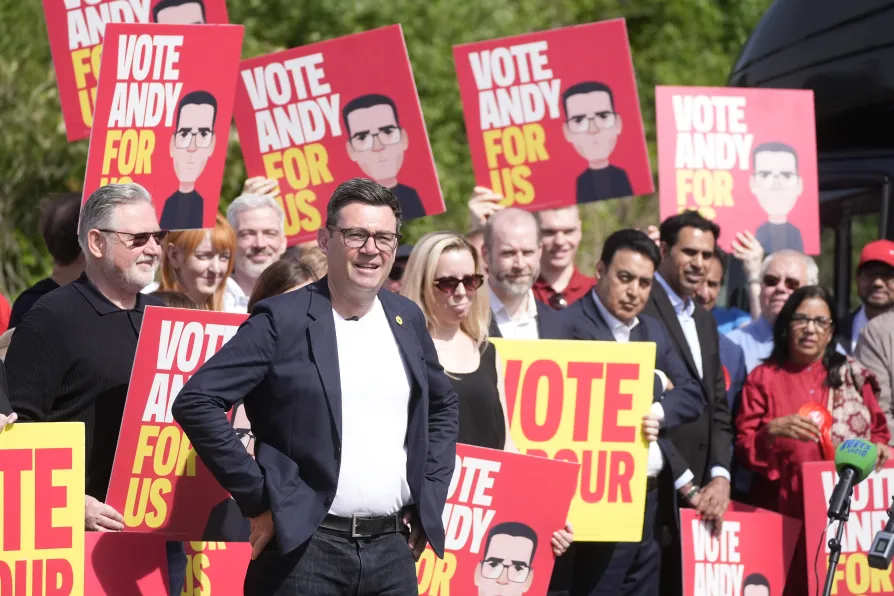
 NEW DIRECTION? Andy Burnham is hopeful he can deliver for the working classes

US financial instability is exposing the limits of a dollar-dominated global economy — and giving the Global South a historic chance to build an alternative, says MURAD QURESHI
DOUG NICHOLLS says the parasitic finance markets must be challenged or another British government could be toppled
The late country singer’s Imagination Library has put hundreds of millions of books into children’s hands. We should build on that legacy by defending the libraries at the heart of our communities, says BRENDA AITCHISON
Deprivation is a fundamental factor in criminal behaviour that must be addressed but, KENNY MacASKILL argues, there needs to a major rethink in sentencing to tackle overcrowding
MML director MEIRIAN JUMP outlines the recently refreshed library’s busy autumn schedule that ranges from book sales, archival exploration, community work with online education and the ever popular site tours
TONY BURKE surveys the shifting political landscape and the challenges Labour needs to address if it is to prevail in the 2028 federal elections





THE annual Durham Miners’ Gala has for many decades been the labour movement’s biggest event of the year.
Its powerful messages of solidarity and of pride in our past is always uplifting. It often feels like a massive family reunion, a family in which the Labour Party was always an integral member, that is until 1997 when relationship became a bit strained, to say the least.
The Labour Party was founded by the trade unions to give the working class a political voice and to fight for workers to have a fairer share of power and wealth.
It made great strides after World War II in achieving these aims, but Margaret Thatcher’s success in overcoming the great miners’ strike in 1984-85, weakened trade union resistance and the clawing back of those gains in favour of the capitalist ruling class began. The introduction of neoliberal economic policies was their weapon of choice.
Neoliberalism is an economic philosophy that allows the capitalist market to act unhindered regardless of the consequences for working-class people. It is a belief that market forces should shape everything in society, including the delivery of essential services and utilities.
Its ideology is the laughable myth that workers will flourish too if the rich are allowed to accumulate gross amounts of wealth.
This economic theory quickly became the unquestionable orthodoxy and to my horror broadly accepted by Labour. No wonder a number of Labour leaders have not been invited to the Gala, or have chosen not to come.
Tony Blair’s New Labour accepted the Thatcherite neoliberal legacy, not reluctantly, but with the strongly held conviction. Those of us who objected were labelled dinosaurs and called naive. The private sector knew best and matters such as the privatisation of utilities were not to be questioned.
Moreover, we couldn’t dream of replacing the council houses sold by the Tories because didn’t we socialists know that everyone really wanted to be owner-occupiers anyway.
Most damaging was New Labour’s reluctance to rebuild the industrial base the Tories had destroyed. New Labour considered any regeneration should be left to the markets, responding only with a few insufficiently funded regional development agencies to silence its critics.
It has been painful to observe areas such as Northumberland, where I live, become industrial deserts — forcing former miners like me to see our coalfield communities suffer a prolonged period of perpetual decline.
We were told in essence by both Labour and Tory governments to forget our demands that the well-paid jobs our people once had be replaced by equivalents in new industries.
The warehouses and call centres were all that the market allowed us and for that we were told to be grateful.
The Labour right will protest, pointing to its increase in health and education under New Labour.
But when the markets crashed because of the recklessness of the giant financial institutions it permitted, the markets demanded austerity and the Tory/Liberal cuts swept away those gains overnight.
With the exception of the brief Corbyn leadership, no powerful alternative vision has been provided by Labour. This deficiency became increasingly acute during the two years of the Starmer government.
Eventually the idea of choosing between two parties that both prioritised looking after the needs of the wealthy understandably alienated traditional Labour supporters. The dangerous tragedy is that many have fallen for the siren calls of Nigel Farage’s Reform UK.
It is painful to hear miners who I was on strike with in 1984-85 confess that they are supporting Reform. Farage’s formula of blaming immigrants and an ambiguous urban liberal elite has worked only because they are convinced that Labour has abandoned them.
Proof to the contrary would help smash the myth that the millionaire ex-stock broker Farage cares about the working class. We must reveal him for what he is — a hard-core Thatcherite who supported the destruction of their communities.
Fighting Reform may be easier with the prospect of a progressive Labour leader on the horizon.
To hear a future Labour prime minister declare that we are “suffering from the failures of 40 years of neoliberalism” is a breath of fresh air.
Andy Burnham’s declaration that a Labour government has to “act unambiguously for the benefit of the working class” has been exciting to hear. His desire to see, for example, the biggest council housebuilding programme since after World War II may be signalling a desire to return to the “true Labour values” socialists have been crying out for over the past 40 years.
Some will argue that Starmer promised to do the same, but quickly steered to the right once in power. There is a difference — Burnham knows this is Labour’s last chance and failure will mean its demise.
Only Labour with socialist policies has the potential of gaining the support from working-class voters in all areas of the UK that is needed to stop Reform.
I believe Burnham accepts the need to move in this direction. He will only succeed, however, by actually delivering achievements such as an improved Employment Rights Act, essential utilities under democratic public control an a wealth tax. He will fail if he tries to cut benefits, making the poor poorer.
We may be about to see a Labour leader who will be welcomed at the Durham Miners’ Gala. Maybe after 40 years of hurt, Labour will be coming home.
Ian Lavery is Labour MP for Blyth and Ashington.

Similar stories
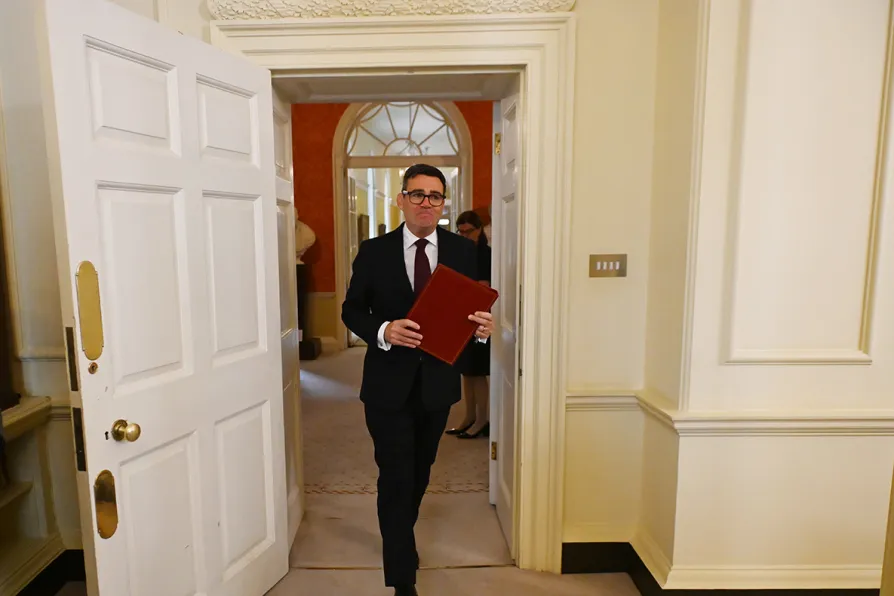
Can entrenched institutional power be overcome?
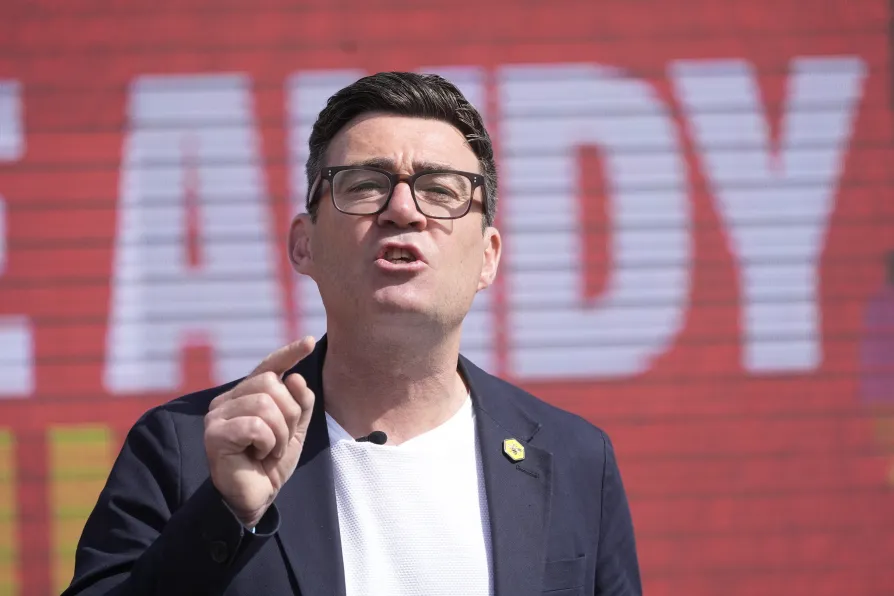
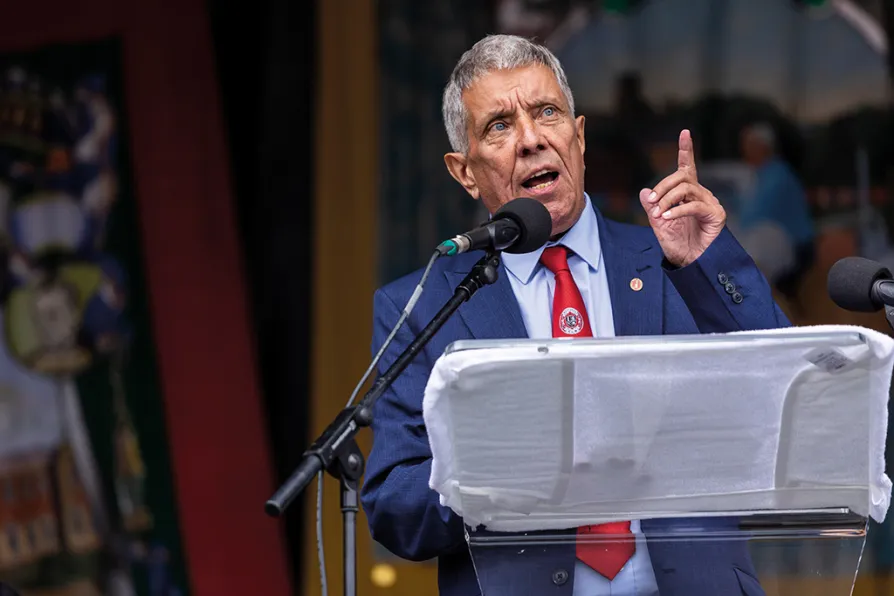
Durham Miners’ Association general secretary ALAN MARDGHUM speaks to Ben Chacko about the PM-in-waiting, the threat of Reform and the radical change of direction this country needs
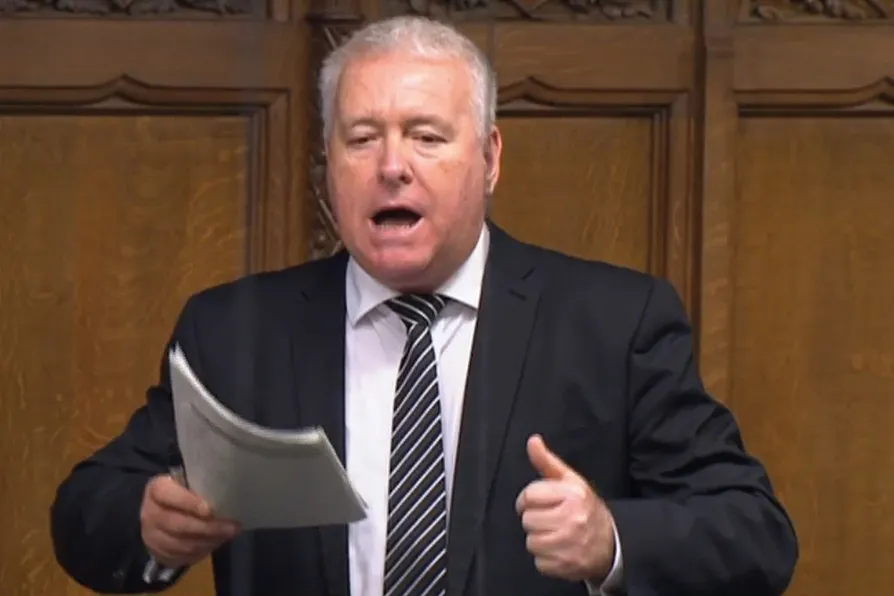
All the areas that cause working people to feel insecure have to be addressed, through a return to unashamedly pro-worker politics, if the horror of a Farage government is to be avoided, writes IAN LAVERY MP