

 Latest editorial

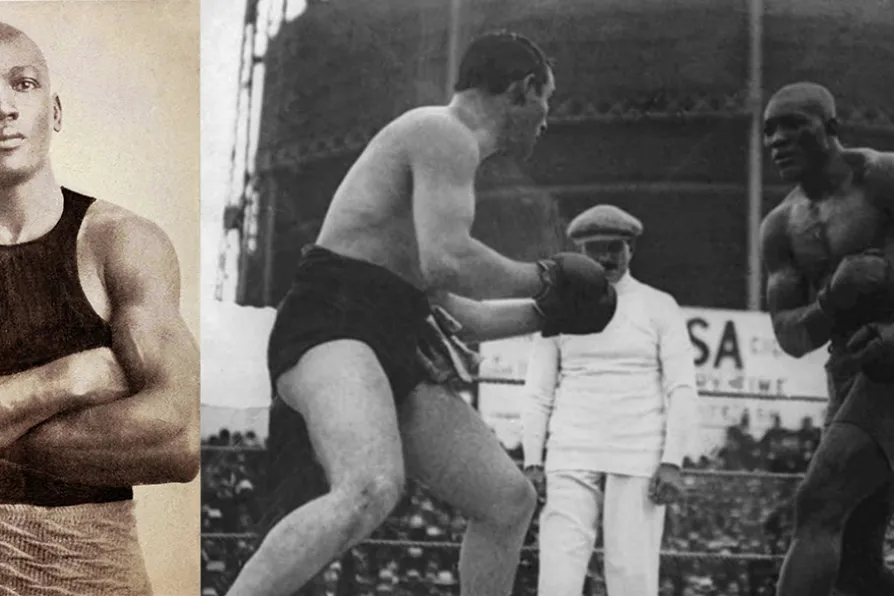 Jack Johnson in his prime in 1908 (left) and (right) Johnson's fight against Tommy Burns in Sydney the same year in which he won the World Heavyweight title






THE Fourth of July, most everybody knows, is a special date in the US calendar. It was on this day in 1776, near the beginning of the war, that the thirteen original colonies of the United States declared its independence from London and unleashed war against their colonial master.
For the indigenous peoples and African slaves, of course – many of whom sided with the British – the Fourth of July has always held different meaning, one pregnant with revulsion at the despicable hypocrisy of a nation founded by psychopathic racist killers holding itself up as a beacon of freedom and human progress.
One man who experienced this hypocrisy throughout his life was Jack Johnson. After years of being denied the chance to fight for the heavyweight title, he finally did so against Tommy Burns in Australia in 1908.

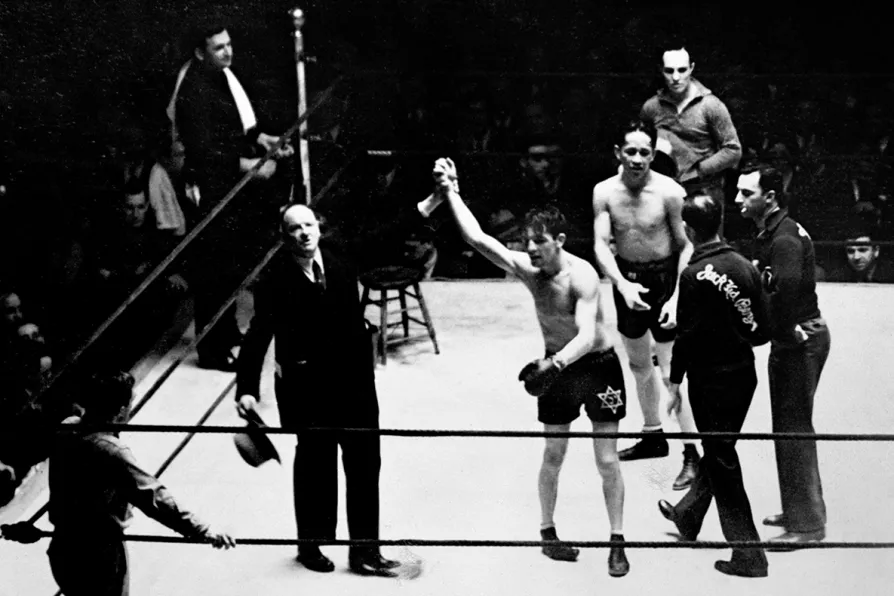
As antisemitism spread across Europe and the United States in the 1920s and 1930s, Benny Leonard and Jack ‘Kid’ Berg became symbols of hope and resilience, writes JOHN WIGHT
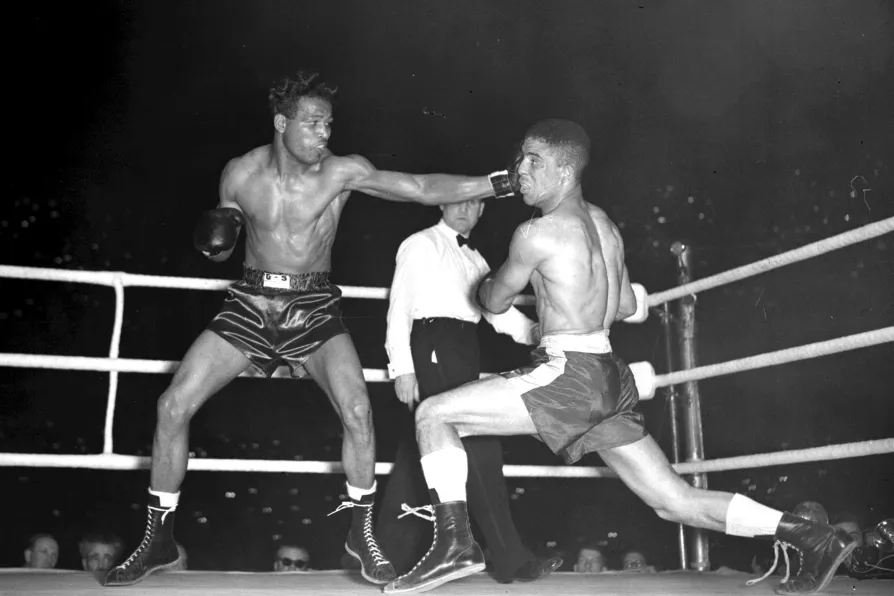
JOHN WIGHT pays tribute to the day in history when Randolph Turpin dealt the world of boxing an almighty blow
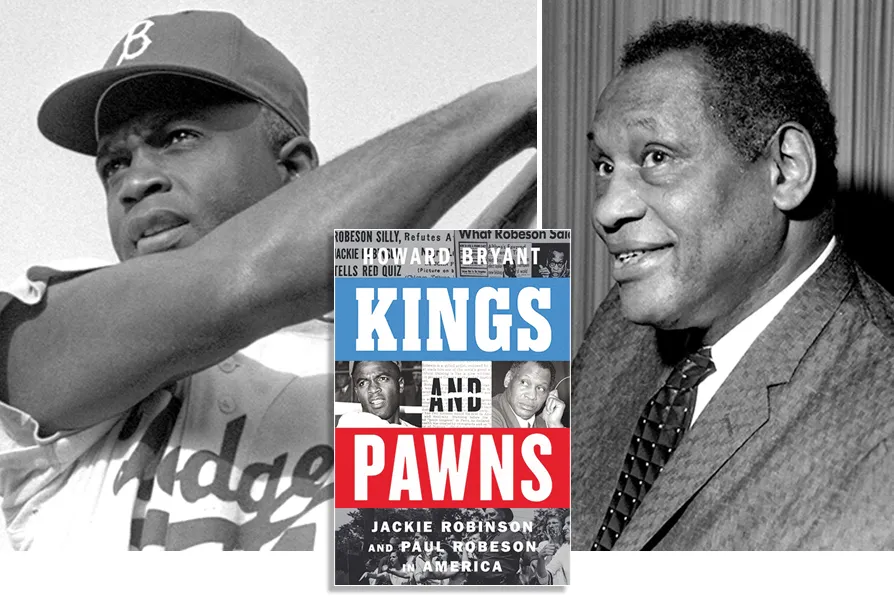
RON JACOBS recommends a book that charts the disparate circumstances that defined the lives of two prominent black Afro-Americans — one a communist, the other an anti-communist