
APURBA CHATTERJEE explains how British artists in India used the “picturesque” to reshape colonial landscapes and celebrate imperial power


Charismatic Kolesnikova delivers unforgettable performance in Swan Lake
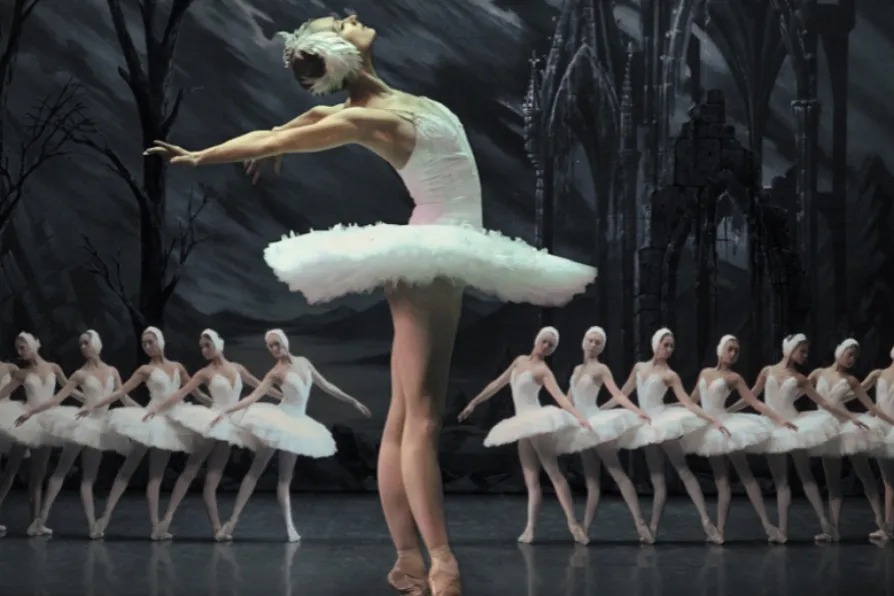
 Flawless: Irina Kolesnikova
[Vladimir Zenzinov]
Flawless: Irina Kolesnikova
[Vladimir Zenzinov]

PAUL DONOVAN welcomes a revival of Reginald Rose’s classic play that reminds us of the fundamental need for trials with juries
SIMON PARSONS applauds an exceptional performance of Wesker’s little-known play, by the same actor for whom it was written 45 years ago
ANDY HEDGECOCK and MARIA DUARTE review Late Fame, The Death of Robin Hood, Leviticus, and Gail Daughtry and the Celebrity Sex Pass
ANGUS REID recommends a uniquely accomplished documentary collage that contemplates our relation to the natural world
GORDON PARSONS enjoys Kant’s ‘mind-boggling’ theory of human reality: that we create the reality we experience





Swan Lake
London Coliseum
IT'S easy to dismiss Swan Lake as a hackneyed ballet of girls in fluffy tutus pretending to be swans. But that it is still produced world-wide since its first performance in 1877 is because it deals with fundamental humanist themes.
Good and evil, life and death, nature and culture underlie the narrative of a love which bridges socially unacceptable boundaries, encountering deception, betrayal and redemption along the way. And it has Tchaikovsky’s sublime score and the greatest challenge for a ballerina in portraying Odette/Odile.
Irina Kolesnikova, who is superb in this dual role, is technically flawless, expressing complex and layered emotions and states of mind through every fibre of her body, gesture and facial expression.
Her serious, unaffected expression conveys the virginal Odette’s moral purity and her expression of the moment when her fear of Siegfried and his crossbow suddenly turns into love at first sight is unforgettable. With a sharp turn of the head she looks him straight in the eye with shocked recognition of their mutual destiny.
In this production by St Petersburg Ballet Theatre the company's principal dancer Denis Rodkin, guesting as Siegfried, partners Kolesnikova with confident, stylish ease and a strong stage presence. Their pas de deux generates a palpable emotional chemistry and in his solos Rodkin crosses the Coliseum’s vast stage with spectacularly elegant leaps.

Similar stories
MATTHEW HAWKINS welcomes an engaging and nourishing account of the queer subculture that flourished in London between WWII and partial decriminalisation
At the Edinburgh Fringe, MATTHEW HAWKINS reviews eight shows in a single day in one venue, all of which reward the spectator

DAVID NICHOLSON recommends a dazzling production of Bernstein’s opera set in a world where chaos and violence are greeted by equanimity