
JAMES WALSH is moved by a provocative and original take on the relationship between ecology and architecture, and a plea to work with, not against, the materials and minerals of our world


Best of 2019: Books
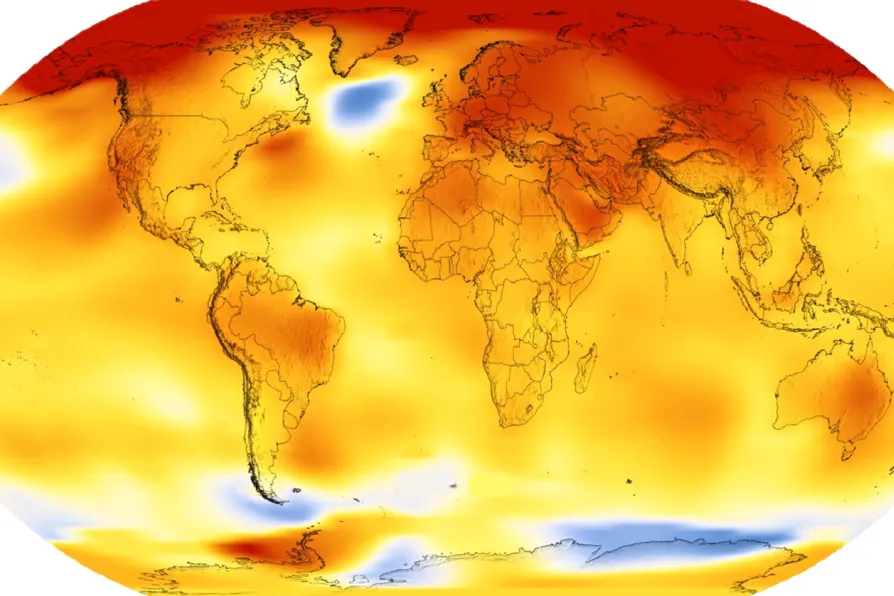
 WORSE THAN YOU THINK: Global temperature change in the last 50 years

An immersive, participatory display by a queer Australian Aboriginal performer, and a rebellious unravelling of traditional Scottish dance
EWAN CAMERON witnesses a political farce that lacks a clear message
EWAN CAMERON picks out two fascinating music shows, fusing the Korean, and the Celtic, with the modern
BENJAMIN POTHIER suggests that Palaeolithic cave paintings in Spain point to the ceremonial use of hallucinogenic flora
The bard confirms that the right has a humour bypass, and replays the English Revolution on period instruments





“IT IS worse, much worse, than you think.” From its first sentence, The Uninhabitable Earth: A Story of the Future (Penguin Books) by US writer David Wallace-Wells is a deeply frightening read in chronicling the existential threat the climate crisis poses to humanity.
He notes that all the commitments made at the 2015 Paris UN climate summit by the 195 signatories would still mean a deadly 3.2°C of warming by 2100. If this isn’t terrifying enough, he explains that, as of 2018, “not a single major industrial nation was on track to fulfil the commitments it made in the Paris treaty.”
Answering Amitav Ghosh’s call for more fiction devoted to climate change, John Lanchester’s allegorical novel The Wall (Faber & Faber) considers how British society and politics could react to a climatic event called “the change.”

Similar stories

Media Lens at 25: David Cromwell and David Edwards reflect on a quarter-century of media criticism, explaining why independent journalism is more important than ever
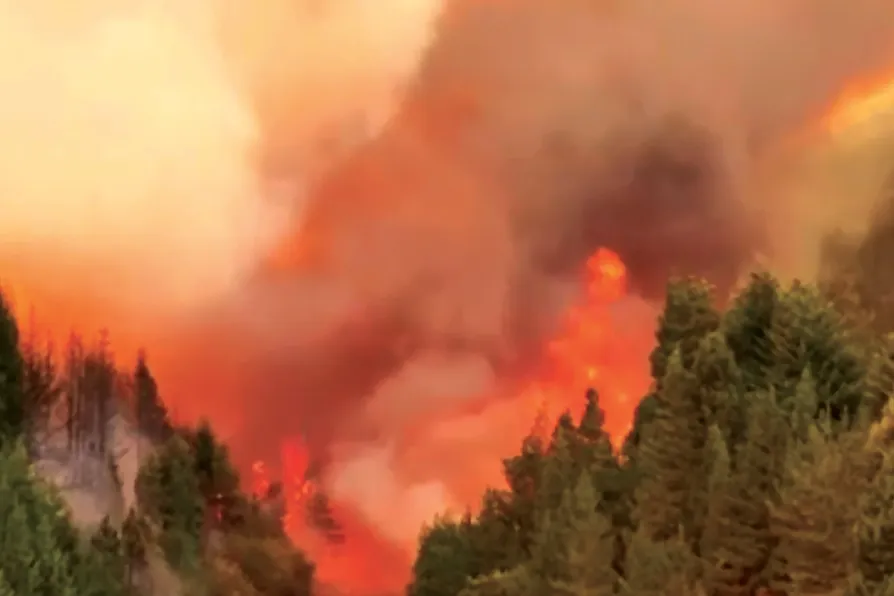
Established as a landmark victory for the climate movement, the CCC promised to hold governments to account. Today, it is understating the danger of climate chaos and impeding the radical action needed, says IAN SINCLAIR
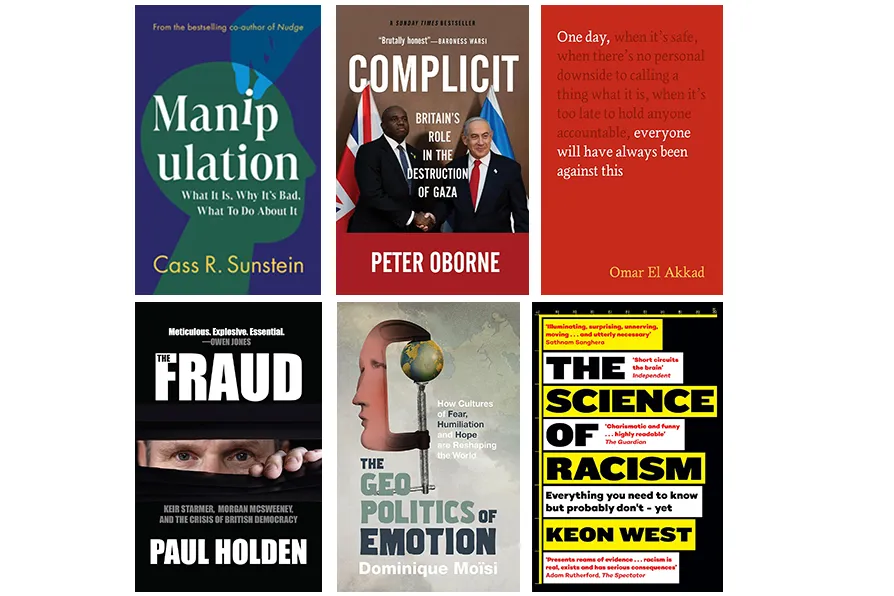
Looking for moral co-ordinates after a tough year for rational political thinking and shared human morality
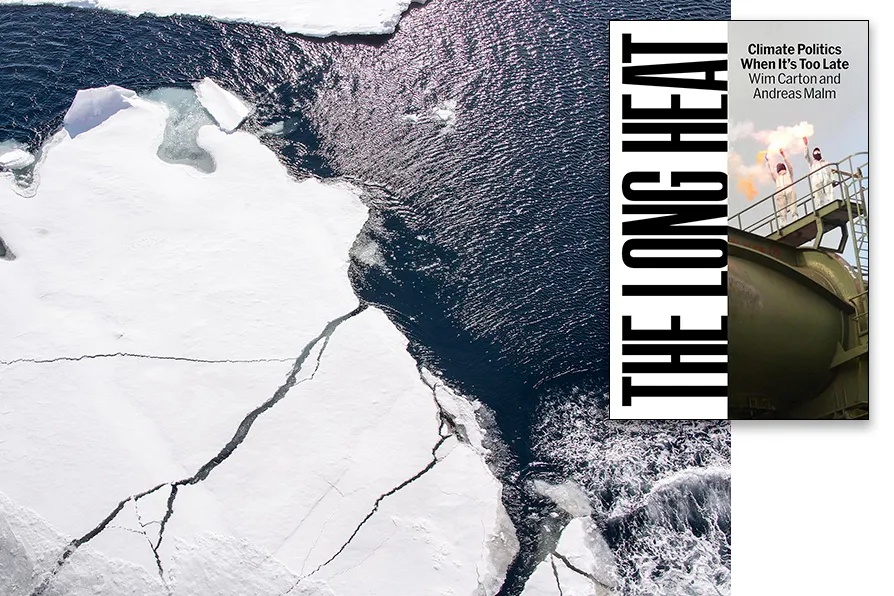
IAN SINCLAIR recommends an important and timely book for climate politics right now and in the future