
PETER MASON applauds the revival, 39 years later with the same team and cast, of Manfred Karge’s version of Brecht’s 100-year-old play, Mann Ist Mann

No More War by Dan Kovalik
Accessible introduction to international law is a powerful plea for global peace
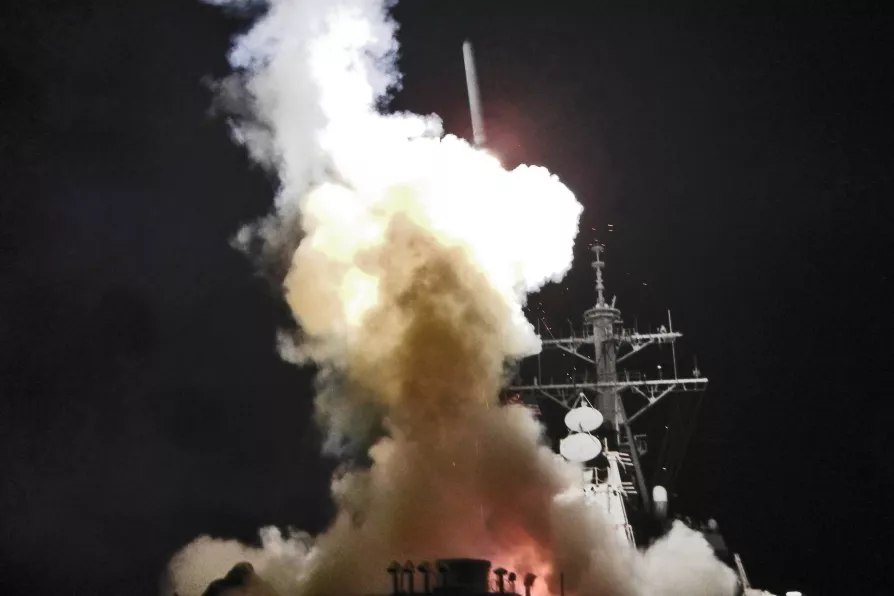
 ILLEGAL: US navy cruise missile attack on Libya, 2011
[Roderick Eubanks/Wikipedia]
ILLEGAL: US navy cruise missile attack on Libya, 2011
[Roderick Eubanks/Wikipedia]

New releases from Biita Houdei, The Mary Wallopers, and The Tubs
New releases from Biita Houdei, The Mary Wallopers, and The Tubs
MAYER WAKEFIELD applauds a fearless attempt to bring to the stage the 1984 toxic gas disaster in Bhopal, India
ALEX HALL applauds the account of a dogged, traumatic and punishing campaign for justice that has lasted from 1998 to the present day
NICK WRIGHT laments the political bias of an epic attempt to tell the history of the liberation of France from the Nazis, that excludes both the decisive contribution of the Soviet Red Army, and of the French communist party itself





IN HIS latest book, Pittsburgh-based lawyer and peace activist Dan Kovalik is at pains to stress that the UN Charter, the principal instrument of international law since its signing in 1945, lays down a number of important precepts regarding humanity’s need for peace, equality and freedom from oppression.
Prevention of war is at its core, and states are to resolve disputes by peaceful means if these are available. An armed attack on one state by another can only be considered legal if, having exhausted all non-violent paths, the attack has been approved by the UN security council, or if it is carried out in urgent self-defence against an armed attack, or if the invading party has been granted consent by the leader of the host state.

Similar stories

The US wars that followed the al-Qaida attack in 2001 didn’t just create numberless human victims but also represented the slow, lingering death of Western liberal democracy

The attacks of September 2001 became the pretext for a new era of US-led intervention. Twenty-five years on, millions are dead and the promised ‘victories’ remain nowhere to be seen, says ANDREW MURRAY
CARLOS MARTINEZ shows how EU, Israel and US shenanigans were used in an attempt to destabilise Spain’s mildly socialist government
ANSELM ELDERGILL looks at the legality of the wars in the Middle East and the means used to fight them. It is said that truth is the first casualty of war, so what is the truth with regard to the legality of America’s and Israel’s wars in Iran, Palestine and Lebanon?