TUC president and POA leader STEVE GILLAN speaks to Ben Chacko on the eve of Congress 2026


 Latest editorial
A New Deal for Workers: the Institute of Employment Rights on Covid and our rights
Prof K D Ewing and Lord John Hendy QC say the pandemic has strengthened the case for an overhaul of workplace rights

DOUG NICHOLLS welcomes a turning point at this year’s Congress, where many motions call for a co-ordinated plan to revive British industry, a perspective outlined in his new book
HOPE VIRGO of campaign Dump the Scales warns MPs voting today they should be alert to the threat legalised assisted death poses to people with eating disorders
The Together Alliance is hosting two summits, North and South, to build power and plan action against the scourge of racism peddled by the right. DANIEL KEBEDE urges mass participation
The drift toward militarisation in Europe is not inevitable, left-wing and peace movements can preserve sovereignty and prevent war, says DÁIRE HUGHES MP
Whatever differences exist among international sympathisers of the Bolivarian revolution about its current trajectory, they should unite against the imperialist power that is the source of an enforced retreat, argues ROGER D HARRIS
Trade unions need to step up and force a turn in the policies of the labour movement to effectively confront the far-right threat, argues NICK WRIGHT





Before Covid, a team of experts set out, for the Institute of Employment Rights (IER), a transformative programme for future work relations in Britain. The aim? To improve the poor working conditions prevalent in this country pre-Covid, since exposed and made worse by the pandemic.
Pre-Covid conditions
- Average wages had not increased in real terms for 12 years;
- 5.1 million people earned less than the real living wage (£9.30 per hour);
- 8.3 million people in working households lived in poverty;
- 1 million workers were on zero-hours contracts;
- 3.6 million workers were in insecure work;
- 75 per cent of workers were on terms and conditions determined unilaterally by employers.
Covid impact

Similar stories

Our priority must be to defend hard-won protections while linking equality law to trade union power and wider social transformation, says MARY DAVIS, on behalf of the Women’s Liberation Alliance
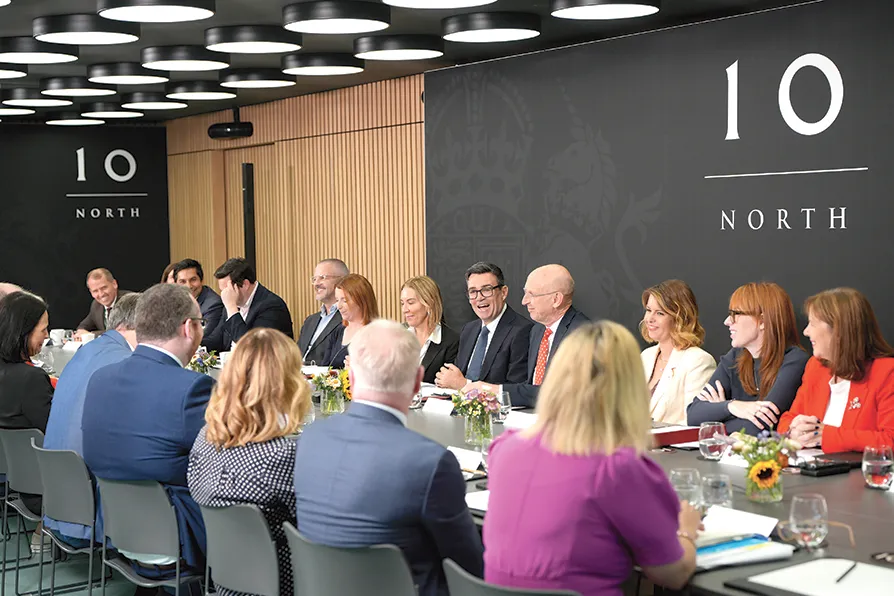
A sharp rise in public-sector investment is required to kick-start the economy, argues MICHAEL BURKE
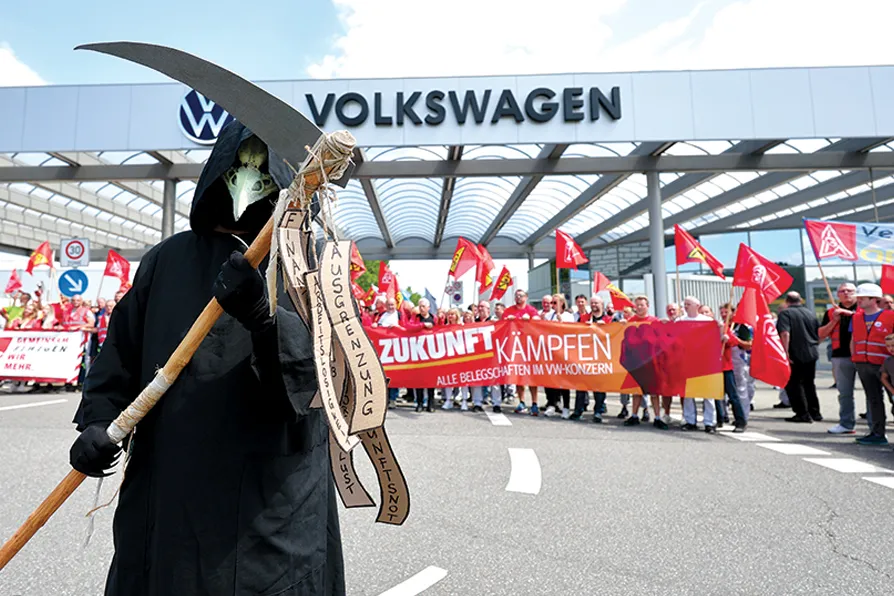
The future does not have to be climate chaos and social breakdown. MARC VANDEPITTE looks at the alternatives offered by the Global Justice Report, co-authored by Thomas Piketty
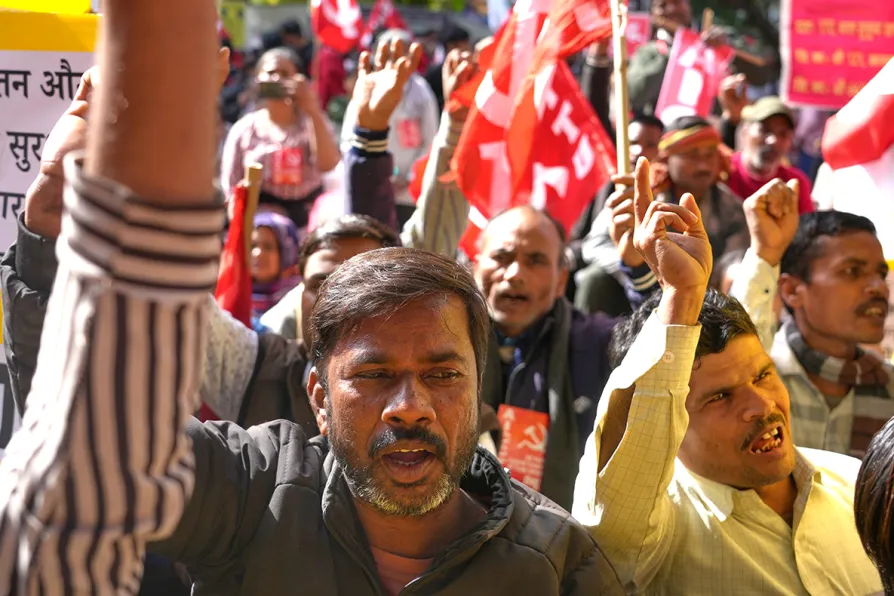
The biggest strike in global history is a template for our future. The silence tells you all you need to know, writes CLAUDIA WEBBE