
ROB WARZYNIAK wades knee deep through a pile of ‘dead canaries’ of Trumpist policies which exacerbated the horrors of US capitalism domestically


Why the trade union link still matters to the Labour Party
The Labour Party emerged out of the trade union movement and that link is of continuing importance and great relevance today, writes MICK WHELAN
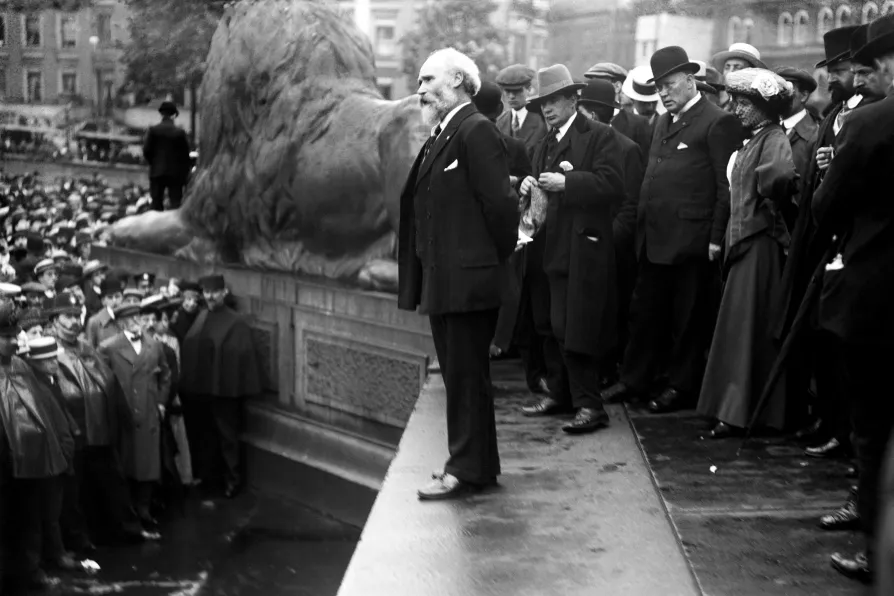
 Keir Hardie (1856-1915) - British Labour leader and politician, born in Scotland; the first parliamentary leader of the Labour Party
Without evidence or Nato consultations Berlin’s answer to the Leipzig incident is a rupture of relations. SEVIM DAGDELEN examines why
FRANCISCO DOMINGUEZ introduces the background to a conference on defending Latin America’s sovereignty
The glacier collapse in Nepal is yet another warning that a warming planet is making Himalayan disasters more frequent and destructive – but the countries facing the greatest risks are often those least responsible, says LI YANG
Nick Blair is set to benefit from a hugely lucrative contract to ‘virtually’ train the British army for its next war. Like father, like son, writes SOLOMON HUGHES
Even when tragedy strikes, Western media cannot resist the opportunity to turn it into a sordid propaganda opportunity, as the Nepal-China border tragedy shows, writes CARLOS MARTINEZ
Trade unions should be at the heart of the anti-racist push for reparations for the historic legacy and continuing impact of slavery, writes ROGER McKENZIE





ON a couple of bitterly cold winter days back in 1900 – Monday and Tuesday February 26-27 – a group of men in heavy woollen suits, coats, and scarves met at the Congregational Memorial Hall on Farringdon Street, in central London, just around the corner from what is now Aslef’s head office, to set up the Labour Representation Committee.
The 129 delegates present represented a broad range of working-class and left-wing opinion – from trade union activists to the Independent Labour Party, Social Democratic Federation and Fabian Society.
They were all disenchanted with the Liberal Party and approved a plan, proposed by Keir Hardie, to get ordinary people into Parliament to “promote legislation in the direct interests of labour” – meaning working-class men and women impatient for better pay and working conditions, proper holidays, decent pensions, and unemployment benefit.
The Labour Representation Committee was formed at the end of the Victorian era, when millions of men worked in mills and mines and factories and shipyards.

Similar stories
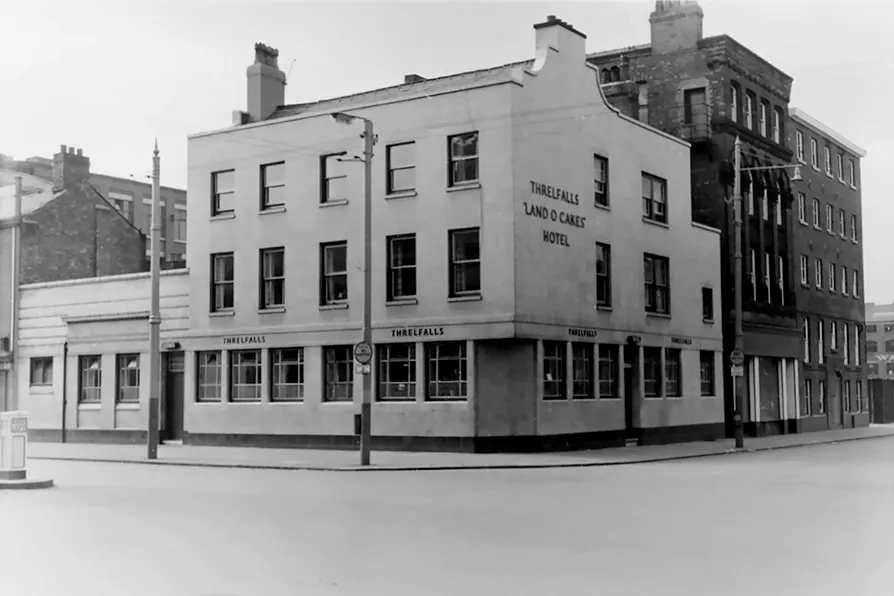
KEITH FLETT looks at geographical roots of working-class activism in Britain
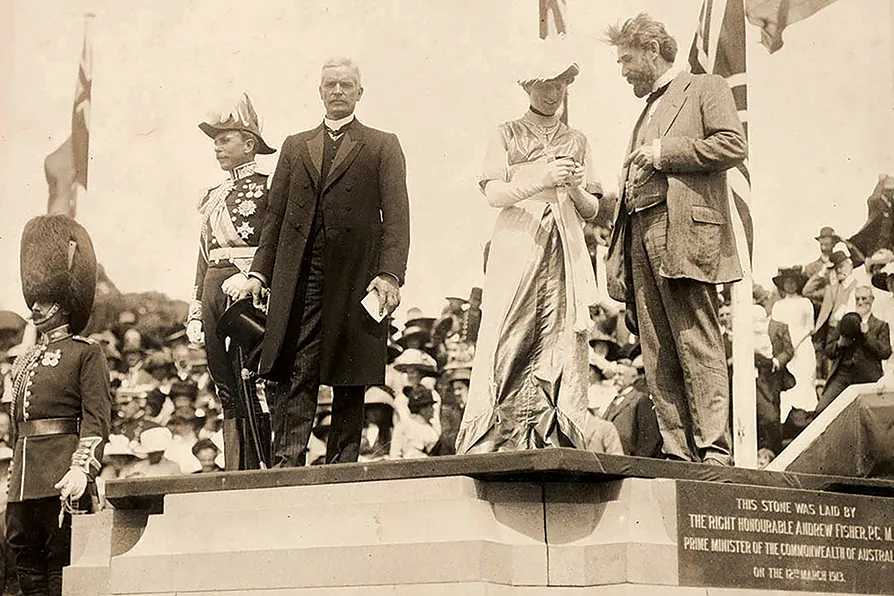
KENNY MacASKILL reminds us of the unprecedented political career of a Scottish miner’s militant son who stayed the course and true to his roots
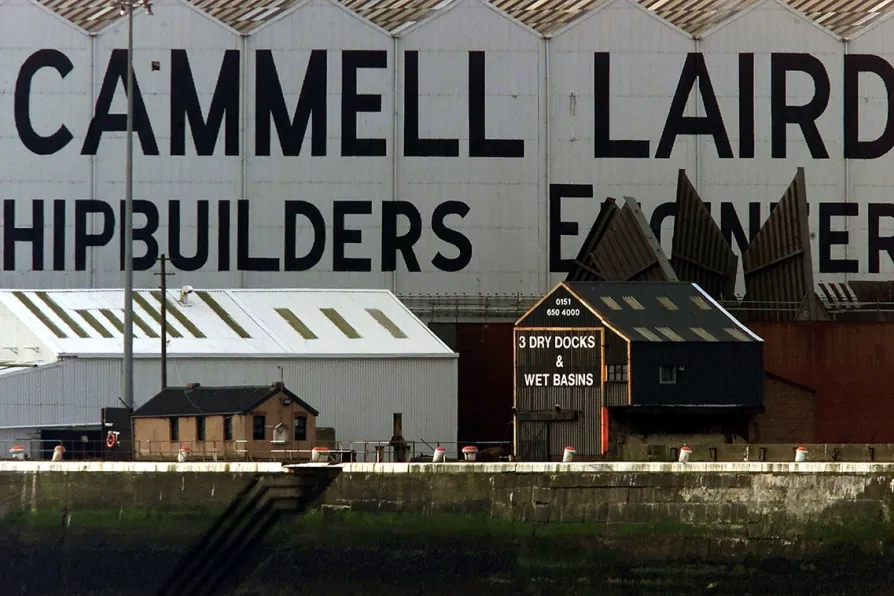
KIM JOHNSON MP places the campaign in the context of the history of the working-class battles of the 1980s, and explains why, just like Orgreave and the Shrewsbury Pickets before it, justice today is so important for the struggles of tomorrow
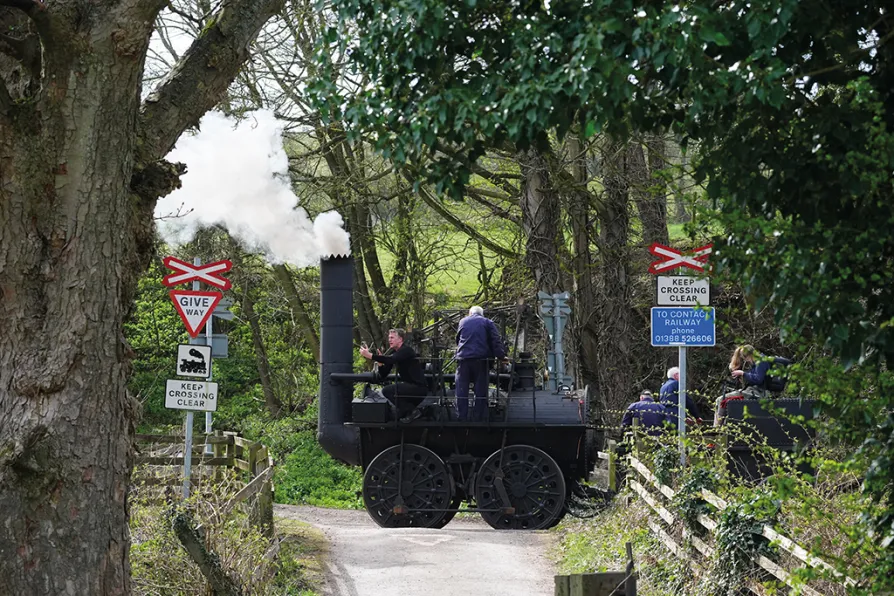
Two-hundred years ago, on September 27 1825, the world’s first passenger railway line was opened between Stockton and Darlington. MICK WHELAN, general secretary of Aslef, the train drivers’ union, reflects on the history – and the future – of Britain’s railway industry