IAN LAVERY MP warns that decades of neoliberal policies have left former industrial communities behind — but a renewed Labour commitment to working people could change the political landscape


Towards June 18: rebuild confidence in the fightback
Trade unionists must unite workplaces and communities in refusing to pay for the cost-of-living crisis — that means industrial militancy and building locally towards a mass demo this summer, writes LYNN HENDERSON
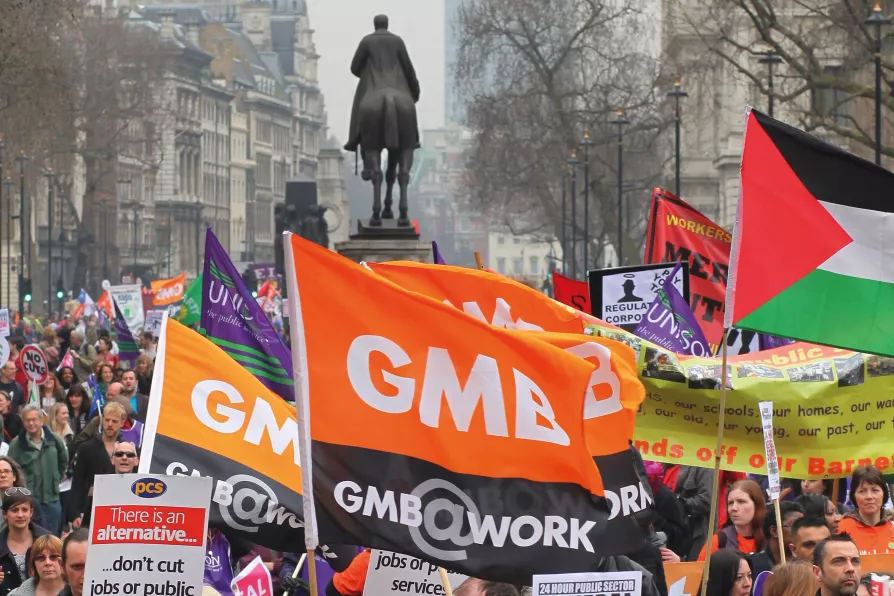
 The massive TUC March for the Alternative makes its way through central London, March 2011
PAOLO SANTALUCIA reports on how an Italian region defies US pressure to end a Cuban doctors programme
HENRY FOWLER outlines the GFTU’s new 2026-27 education programme and argues that investing in trade union education is essential to building worker power, developing leaders and strengthening collective action
We need a government that invests in saving lives not destroying them, argues SOPHIE BOLT
More expensive by weight than gold, saffron is surprisingly simple to grow. MAT COWARD explains
The public inquiry is the result of more than a decade of determined campaigning. Now, those who fought for justice want the full story of government involvement and police conduct to be told, says KATE FLANNERY
The Durham Miners’ Gala is a celebration of working-class culture, but also a call to action — to rebuild workers’ collective strength, says KIM JOHNSON MP





LAST FRIDAY on April Fool’s Day every household faced the first rise in fuel bills from the private-sector utilities companies that have so much control over our lives. And this is just the start.
The day before that turned out to be a sick joke for civil and public servants too, as the government published the Treasury Pay Remit, forcing public-sector employers to limit pay rises for government staff to 2 per cent. Whilst Scottish government workers’ pay sits outside the pay remit, it is normal for devolved governments of all political shades to merely put a tartan cover over the British remit.
By the second day of April, trade unionists and community campaigners in 25 towns and cities came together under the banner of the People’s Assembly to protest over the cost-of-living crisis.

Similar stories

While politicians fixate on defence budgets, the real answers lie in peace-building and economic justice, says ALAN SIMPSON
Midlands trade unionists are turning challenge into opportunity through collective power and renewed confidence, says STUART RICHARDS
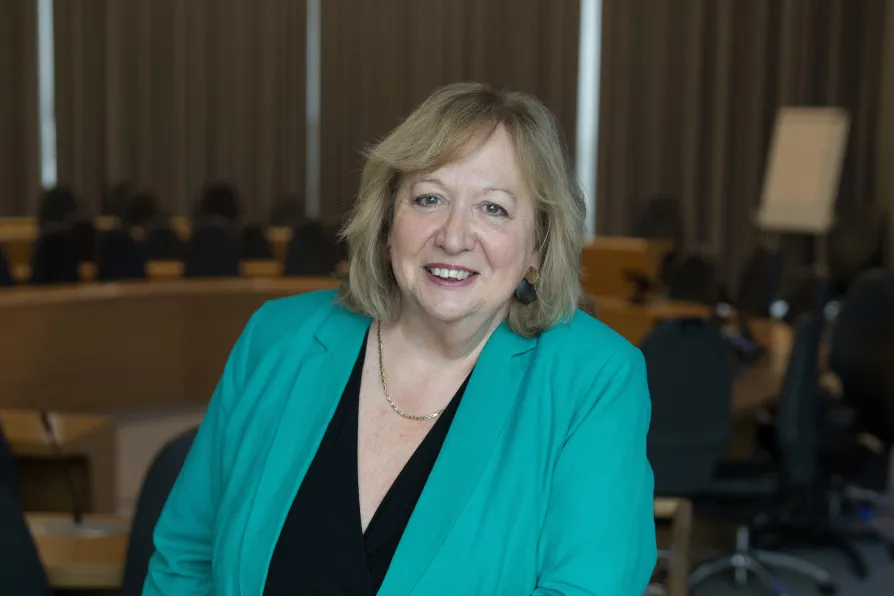
Roger McKenzie talks to general secretary of Unison CHRISTINA McANEA about the impact of the cost-of-living crisis on members, the local government funding emergency and the threat of Reform UK
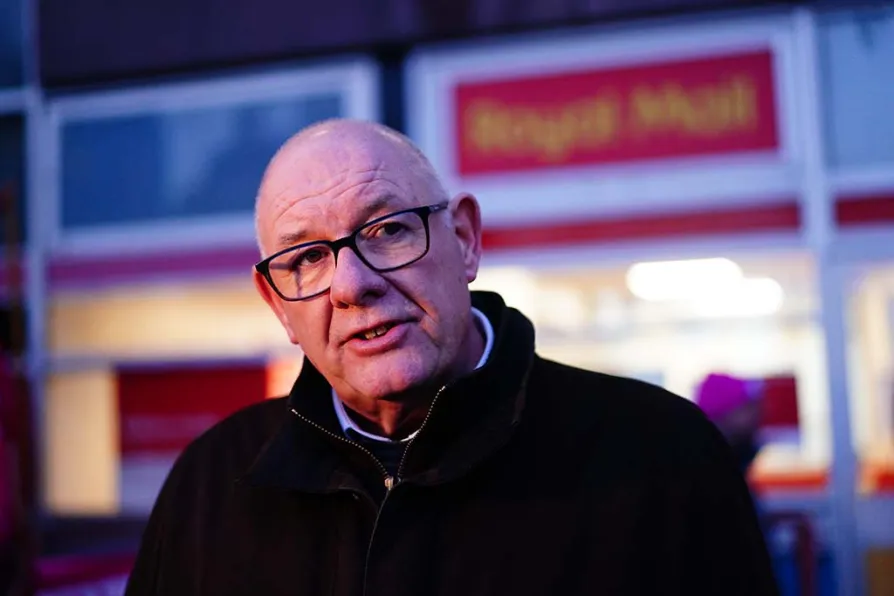
CWU leader DAVE WARD tells Ben Chacko a strategy to unite workers on class lines is needed – and sectoral collective bargaining must be at its heart