



 A view of Napier Barracks in Folkestone, Kent, which is being used by the government to house those seeking asylum in Britain






HOME SECRETARY Priti Patel’s policy of using run-down military barracks as asylum accommodation is “unsafe” and threatens asylum-seekers’ health, according to a new report published today.
Research by charity Doctors of the World found that asylum-seekers staying in hotel accommodation and sites like Napier Barracks in Folkestone did “not receive adequate healthcare.”
Evidence gathered by the charity showed that the substandard conditions were exacerbating mental health conditions including depression, anxiety and post-traumatic stress disorder (PTSD).

DIANE ABBOTT warns that Shabana Mahmood’s draconian asylum proposals fuel racist scapegoating and risk demoralising Labour’s base – potentially paving the way for Farage to No 10
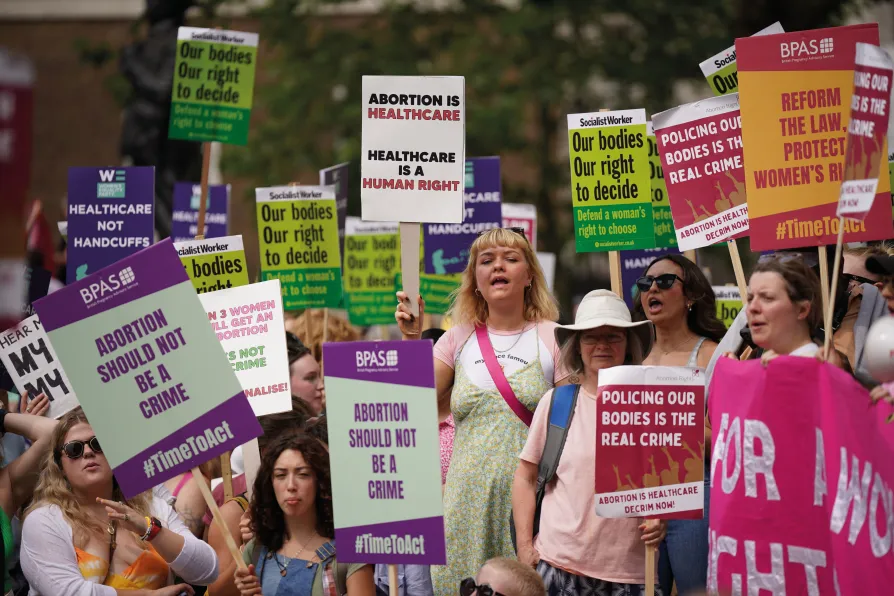
Police guidelines suggesting home searches and digital checks for women who experience pregnancy loss under suspicion of having broken the outdated 1967 Abortion Act have sparked uproar, writes PEOPLES’ HEALTH DISPATCH

Secret consultation documents finally released after the Morning Star’s two-year freedom of information battle show the Home Office misrepresented public opinion, claiming support for policies that most respondents actually strongly criticised as dangerous and unfair, writes SOLOMON HUGHES