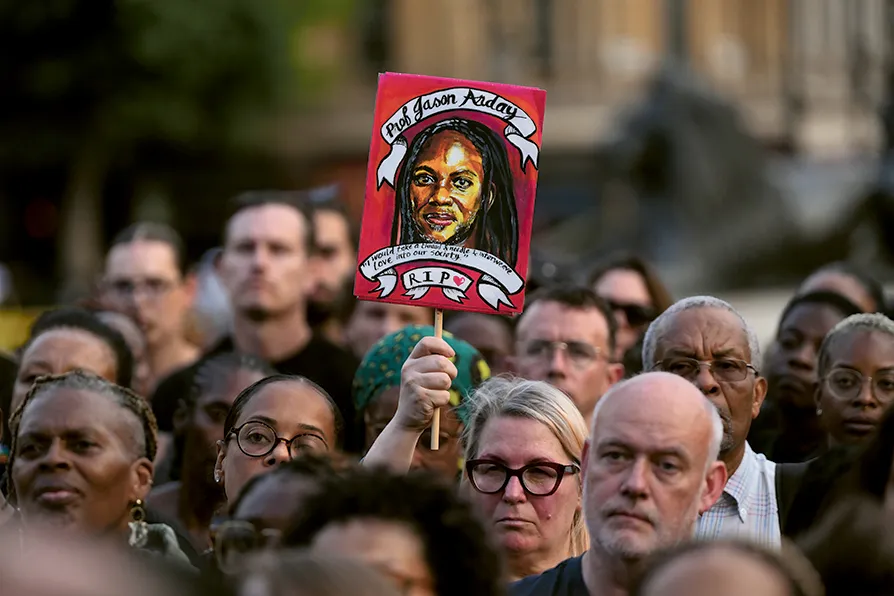
The attacks on black academics are well-funded and relentless, writes DIANE ABBOTT, and they need to be fearlessly resisted by all concerned



Xi Jinping’s ‘authoritarian turn’ — prioritising stability at a time of global turbulence
Rather than condemning the CPC’s abandonment of two-term limits, we must understand why China’s rapid rise — and consequently the US’s renewed hostility — has meant the party has chosen to centralise power at this time, writes JENNY CLEGG
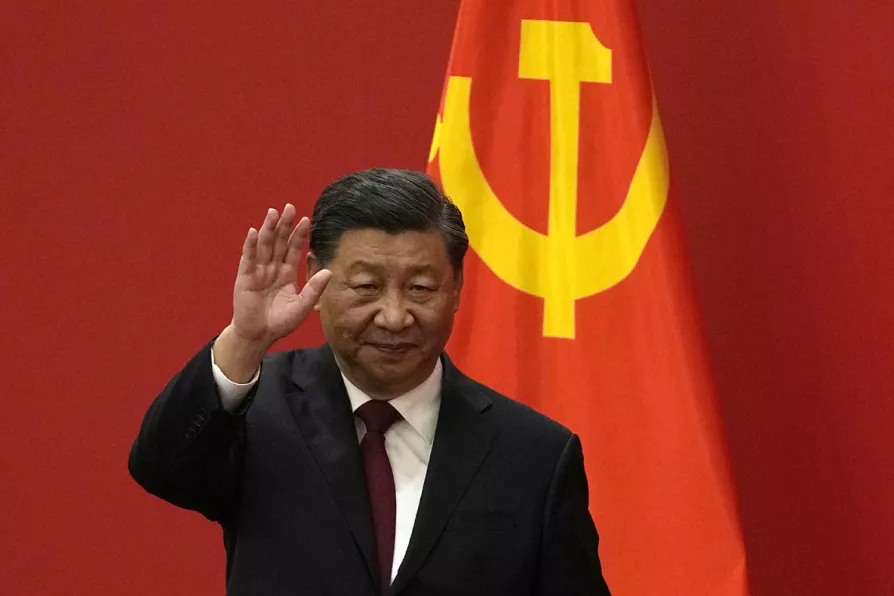
 Chinese President Xi Jinping waves at an event to introduce new members of the Politburo Standing Committee at the Great Hall of the People in Beijing on Oct. 23, 2022.
Extreme hot weather resulting from environmental change needs to be tackled through greater firefighting investment instead of fewer jobs and less resources, writes COLIN BROWN
There are many intricate details about the new Saudi, Turkish and Pakistani alliance we do not yet know, suggests ROGER McKENZIE, but its impact could be considerable
Holyrood incompetence has cost jobs and put the future of Clydeside’s Ferguson Marine shipyard into jeopardy. Its future should have been assured, argues KENNY MACASKILL
Hot and dry conditions are threatening British species unequipped for drought, explains PAUL ASHTON
The Baltic state is set to reverse its constitutional prohibition on nuclear weapons and foreign bases as part of accelerated Nato war preparations, warns TOM UNTERRAINER





THE 20th congress of the Chinese Communist Party (CPC) has made headlines in the mainstream media, but hardly because China’s future is of great consequence for the future of the world — rather, all eyes have been on Xi Jinping’s continuing as general secretary into a third five-year term.
What an opportunity, so the pundits think, to hype up the new cold war, spotlighting China’s “dictatorial” methods of leadership succession as against the West’s virtues of democratic choice.
Xi is being “anointed,” we are told, or “crowned,” as China’s leader.

Similar stories
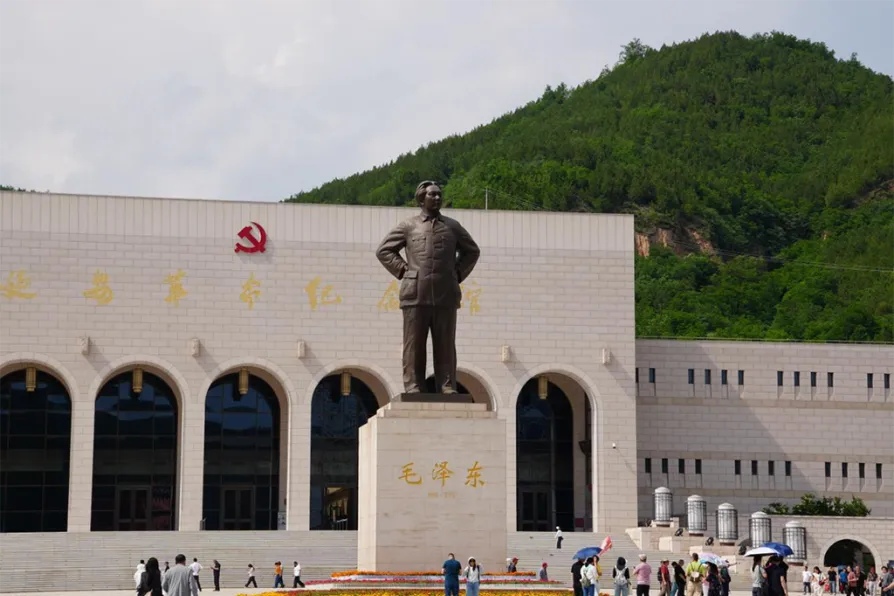
The world’s largest communist party marked its 105th birthday this week — and remains true to its principles and firm in its course, says OLIVER VARGAS
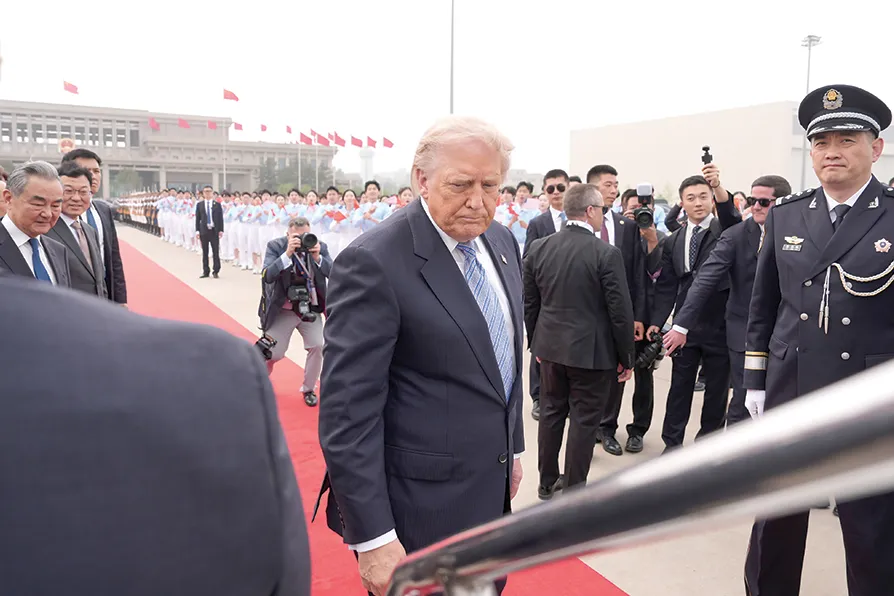
JENNY CLEGG looks at the key points that defined the China-US relationship, for now

BEN CHACKO welcomes a masterful analysis that puts class struggle back at the heart of our understanding of China’s revolution

STEPHEN BELL reports from a delegation that traced the steps of China’s socialist revolution from its first modest meetings to the Red Army’s epic 9,000km battle to create the modern nation that today defies every capitalist assumption