TUC president and POA leader STEVE GILLAN speaks to Ben Chacko on the eve of Congress 2026


 Latest editorial
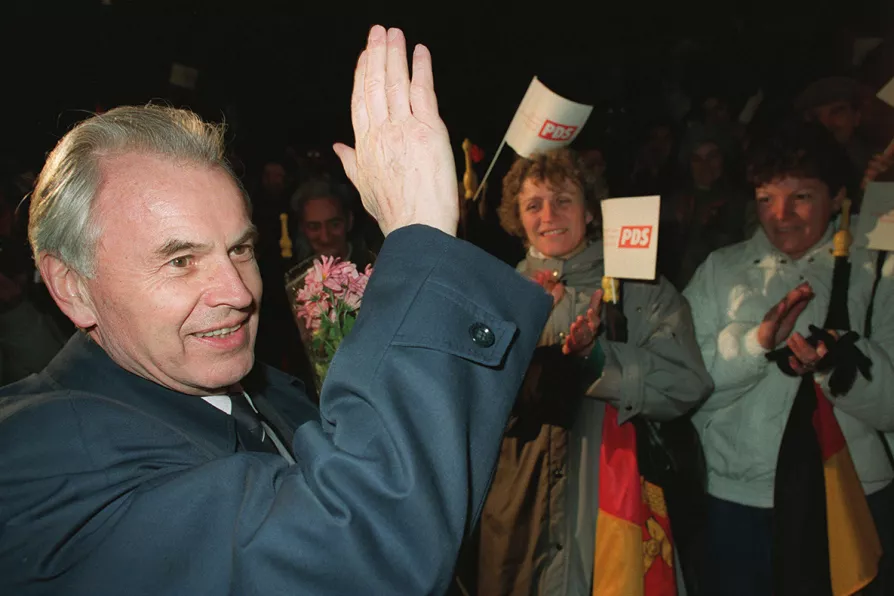
Hans Modrow, 1928-2023: Son of the German Democratic Republic
The man who oversaw the peaceful yet tragic end to state socialism in the east, then stayed to fight for the working class in the newly unified Germany, passed away on February 10, aged 95. KEITH BARLOW salutes his life and career

DOUG NICHOLLS welcomes a turning point at this year’s Congress, where many motions call for a co-ordinated plan to revive British industry, a perspective outlined in his new book
HOPE VIRGO of campaign Dump the Scales warns MPs voting today they should be alert to the threat legalised assisted death poses to people with eating disorders
The Together Alliance is hosting two summits, North and South, to build power and plan action against the scourge of racism peddled by the right. DANIEL KEBEDE urges mass participation
The drift toward militarisation in Europe is not inevitable, left-wing and peace movements can preserve sovereignty and prevent war, says DÁIRE HUGHES MP
Whatever differences exist among international sympathisers of the Bolivarian revolution about its current trajectory, they should unite against the imperialist power that is the source of an enforced retreat, argues ROGER D HARRIS
Trade unions need to step up and force a turn in the policies of the labour movement to effectively confront the far-right threat, argues NICK WRIGHT





HIGHLY regarded by the many who knew and knew of him, it would be no exaggeration to say that Hans Modrow was the son of the German Democratic Republic, of which he was the last-but-one Prime Minister. Only five when the Nazis came to power, his generation was overshadowed by hatred, fascism and war. He trained as a machinist. Towards the end of the war, he was conscripted into the Volkssturm (a mass militia set up by Hitler in 1944).
He was taken prisoner of war by the Red Army and went to the Soviet Union. There he attended an anti-fascist school. In 1949 he returned to the east of Germany, the part which then became the German Democratic Republic (GDR). He worked again as a machinist and joined the GDR’s Free German Youth organisation.
He soon joined the Socialist Unity Party of Germany (SED) – founded in 1946 through a unification of the Communist Party of Germany (KPD) and the Social Democratic Party (SPD) on the territory of the future GDR.

Similar stories
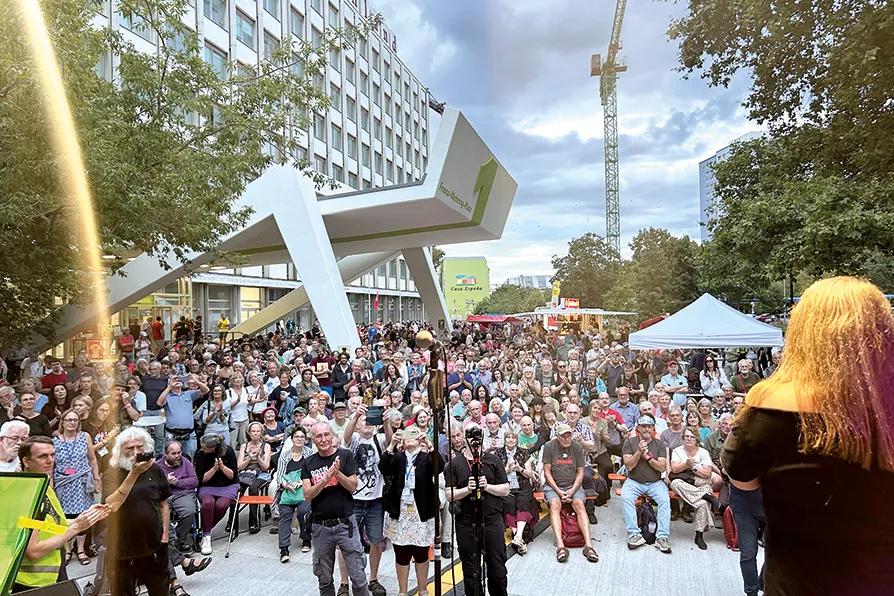
JOHNNIE HUNTER reports from the German Communist Party’s (DKP) weekly Unsere Zeit (Our Newspaper)-organised Peace Days festival in Berlin last weekend

The Berlin border closure 65 years ago did not happen in isolation, and many Western accounts omit crucial context, explains KEITH BARLOW
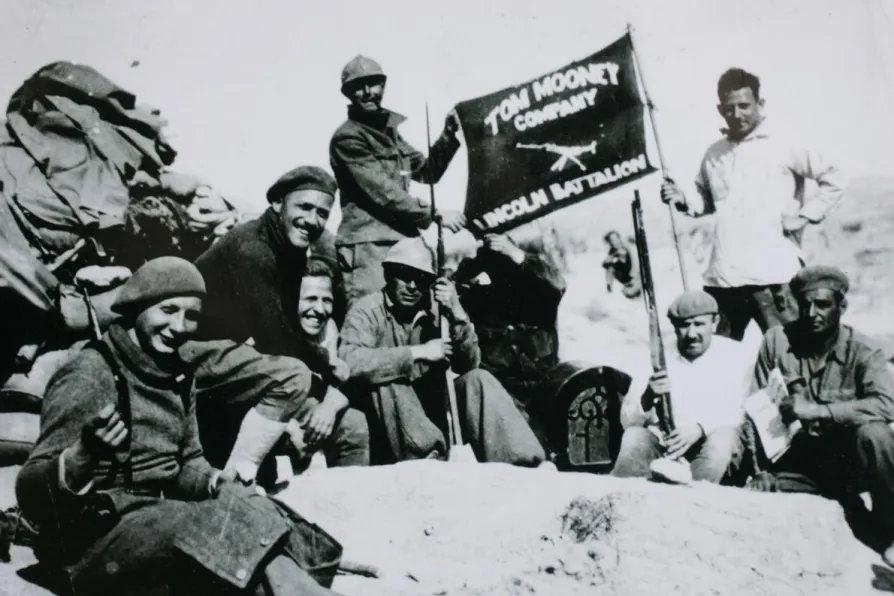
CJ ATKINS commemorates one of the most dramatic moments in working-class history
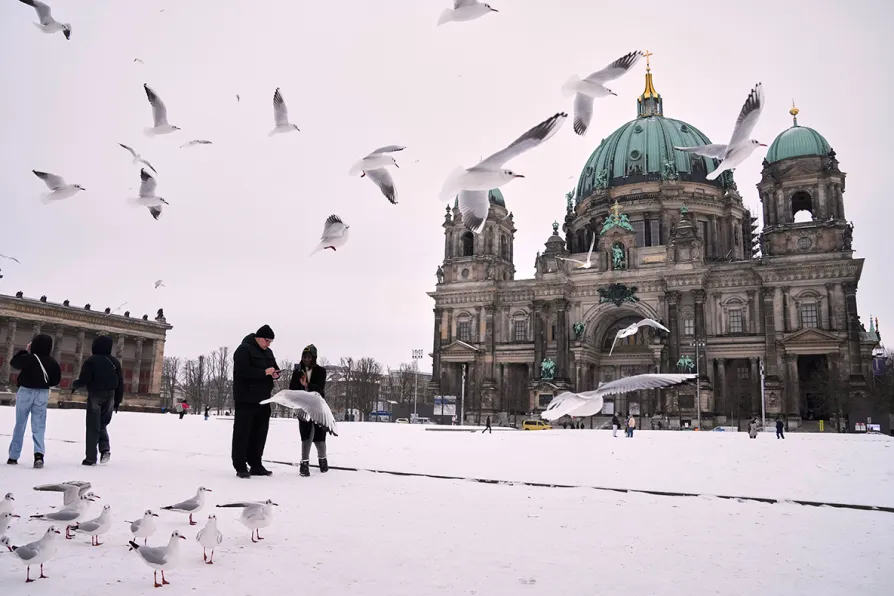
NICK WRIGHT returns to Berlin and finds a city in darkness and political turmoil