by Ramzy Baroud


 Latest editorial

Our New Deal for Workers is the only way forward
In light of new research that shows low-paid workers are worse off than ever, Usdaw general secretary PADDY LILLIS explains why his union is renewing its call for action on pay, contracts and employment rights

US-based labour and social movements authors and organisers Robert Ovetz and James Tracy interview DANIEL GROSS about his new book, Unions of Our Own: Eight Building Blocks to Change Work and the World
Innovation in biotechnology is changing how we conceive of meat, say ROX MIDDLETON, LIAM SHAW and MIRIAM GAUNTLETT of SCIENCE AND SOCIETY
JOHN CALLOW introduces the work of Geoffrey Trease, who placed ordinary people at the centre of his historical fiction for children, creating adventurous stories to inspire the possibilities of social change
Is the Scottish government in favour of drilling or not? Evasiveness and incoherence are the order of the day, argues KENNY MacASKILL
The Isle of Wight’s Victorian holiday boom drew visitors from across Europe, including the founders of scientific socialism, writes KEITH FLETT





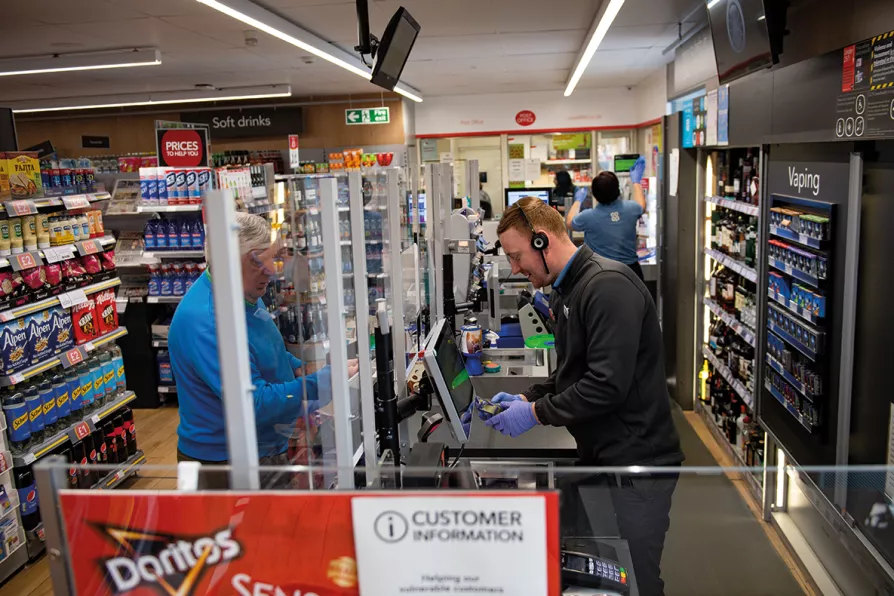
THE cost-of-living crisis has hit working people hard. Workers who were on the front line, keeping our country going during the coronavirus pandemic, have seen their living standards squeezed and their families suffer as wages have failed to keep up with soaring bills and sky-rocketing costs.
Usdaw’s latest cost-of-living survey of 7,500 low-paid key workers found that 83 per cent feel financially worse off than last year, almost two in three have struggled to pay gas and electricity bills and nearly three in four reported that financial worries are having an impact on their mental health.
At the heart of this cost-of-living crisis is a lack of decent employment rights: low-paid workers are particularly vulnerable to having their hours, wages or terms and conditions cut.

Similar stories

Andy Burnham’s message of hope will defeat Reform if Labour delivers the New Deal for Working People in full, says JOANNE THOMAS

The new Employment Rights Act is a step forward, but restoring collective bargaining and union power remains essential to tackling insecurity, outsourcing and low pay, says PAUL WHITEHOUSE
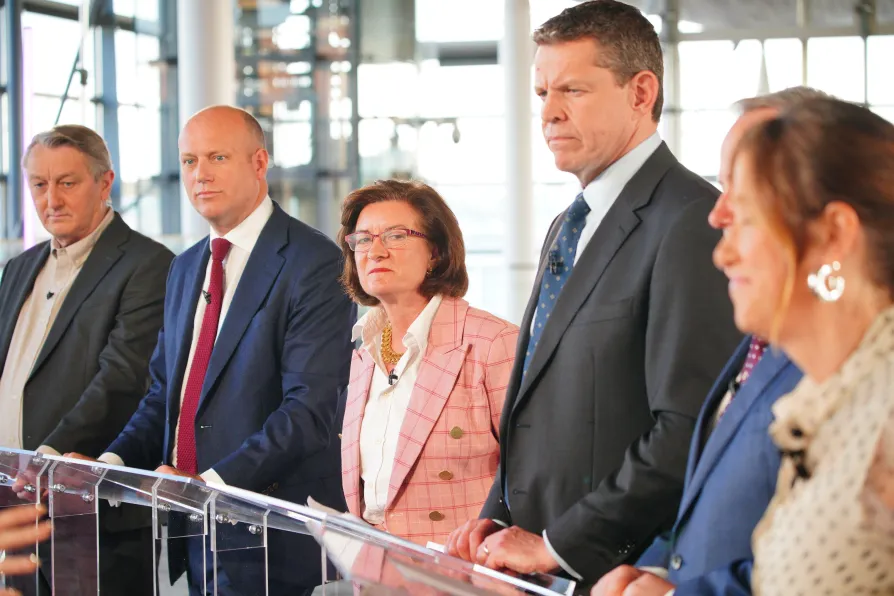
The election offers a critical chance to shape the future of pay, care and community provision in Wales, says Unison’s JESS TURNER
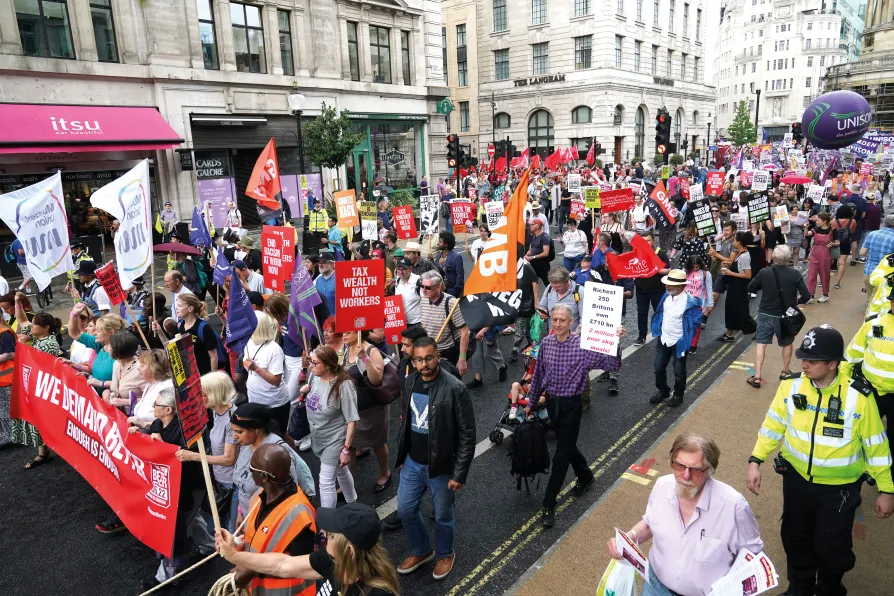
Labour must not allow unelected members of the upper house to erode a single provision of the Employment Rights Bill, argues ANDY MCDONALD MP