Committee for the Defence of the Iranian People’s Rights general secretary GAWAIN LITTLE discusses the impact of the US-Israeli war on the Iranian people and economy


 Latest editorial

Measles vaccination programmes need a shot in the arm
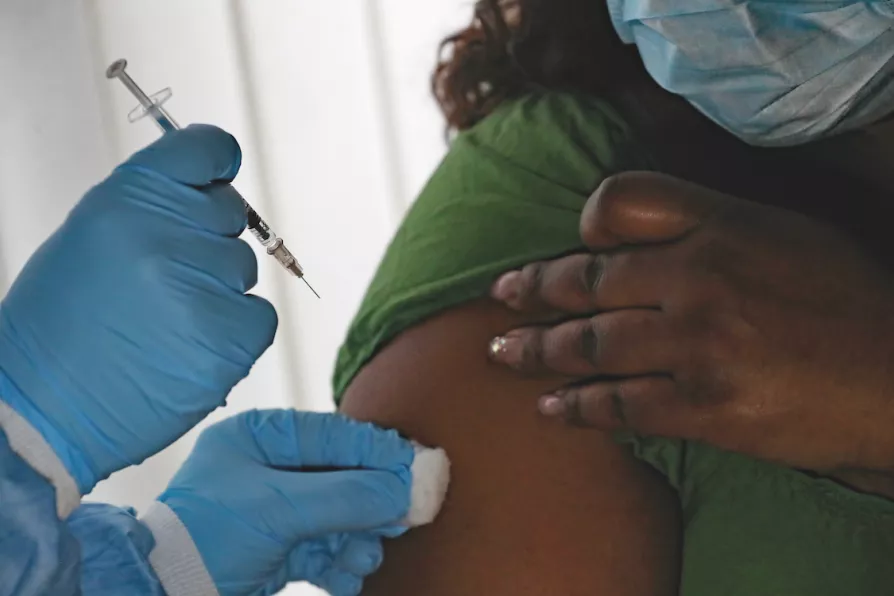
The increased risk of a measles outbreak in London highlights the need for more access to vaccination — not just in this country but worldwide, write ROX MIDDLETON, LIAM SHAW and JOEL HELLEWELL
Capitalism has extracted itself from crisis before, argues PRABHAT PATNAIK – but through methods no longer available. So it is turning to authoritarianism, militarism and neocolonialism
The five young men killed in the A66 crash were responsible for a devastating tragedy — but the crash should force us to ask difficult questions about wider society, argues RENATA MEDEIROS MIRRA
Britain funds the policing of black culture 16 times better than the culture itself. The Diamond Jubilee is the moment to end that, argues CLAUDIA WEBBE
Despite Andy Burnham’s declaration defending the continued partition of the island, all major international and internal trends are converging to make Irish reunification inevitable
Humans are part of the ‘animal kingdom’ – and of nature in general – but also distinct from it and labour (work) is part of what makes us unique, declared Engels. His insights 150 years ago into how our species came to be and how we differ from the rest of nature, are as important today as they were then, says the MARX MEMORIAL LIBRARY





IN the 19th century, London used to be a haven for measles, with millions catching the disease. Karl Marx and his family were among them: in May 1854 they all got measles, the three Marx children aged between six and nine probably having picked it up at school.
Today, rates of measles in London are vanishingly low compared to the 1850s. However, last week on July 14 a report from the UK Health Security Agency (UKHSA) stated that London is at risk of a large measles outbreak in the near future.
Models predict that measles could spread in a London outbreak of 40-160,000 people, potentially causing dozens of deaths and the hospitalisation of thousands.

Similar stories
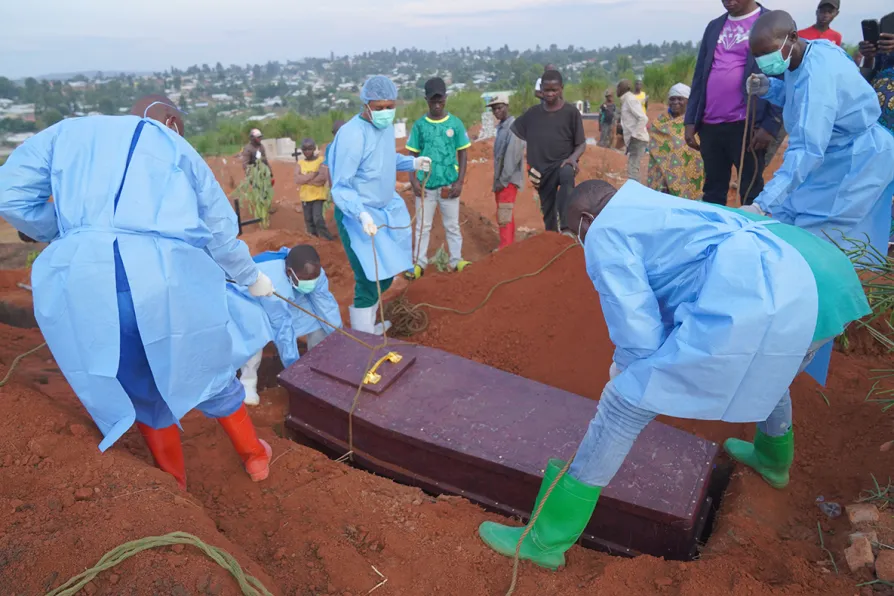
As thousands die in the eastern DRC, a global health emergency is being starved of funds, says S KRISHNASWAMY
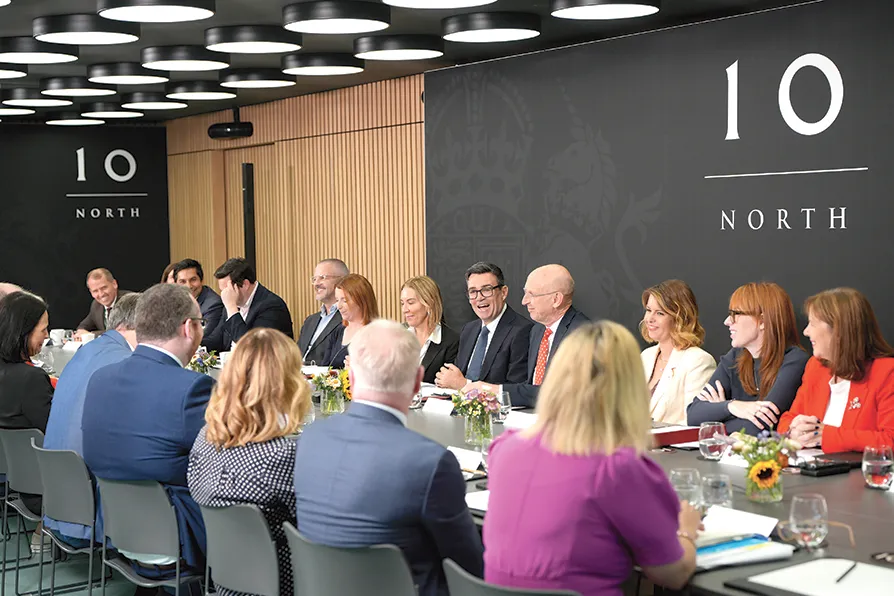
A sharp rise in public-sector investment is required to kick-start the economy, argues MICHAEL BURKE
The future does not have to be climate chaos and social breakdown. MARC VANDEPITTE looks at the alternatives offered by the Global Justice Report, co-authored by Thomas Piketty