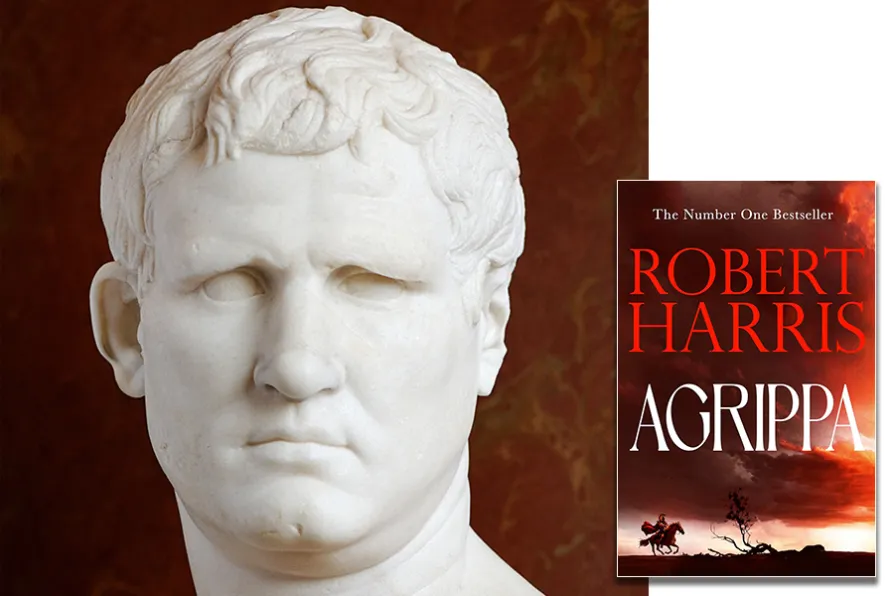
CATHERINE STEEL relishes a compelling novel about Augustus’s right hand man, but misses the politics, the cultural shifts, and more detail about his restoration of Rome


 Latest editorial

‘Trump is much less well educated than Mussolini’
ANGUS REID speaks to Mark Cousins about his documentary The March On Rome, commissioned in Italy, about Italian fascism then and now
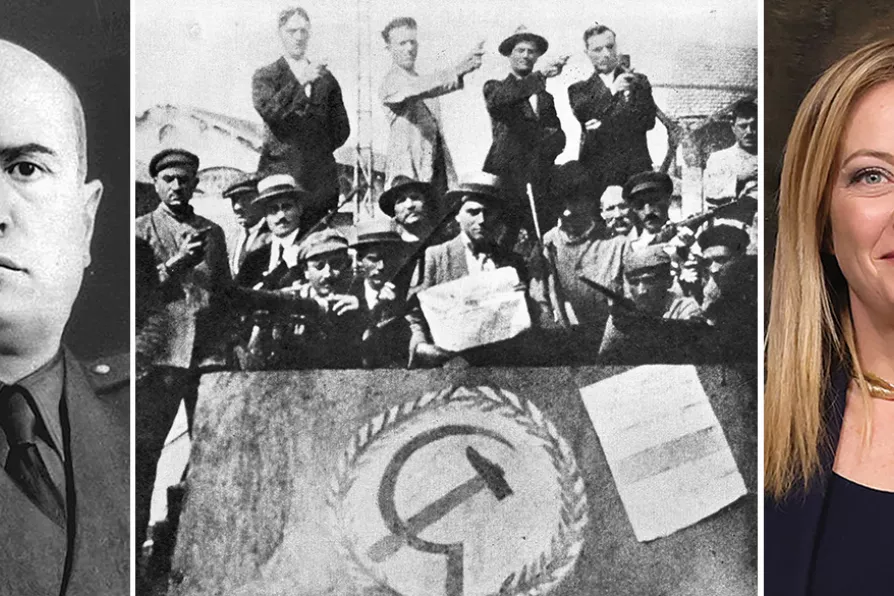 THE MISSING LINK: Factories manned by the Red Guards in the 1920 'Biennia Rosso’ - 1919-20,’ Benito Mussollini (left) and Giorgia Meloni (right)
[(L to R) Vituzzu/Public domain - Storia de Fascismo di Enzo Biagi/Public domain - Cabinet Public Information Office/CC]
THE MISSING LINK: Factories manned by the Red Guards in the 1920 'Biennia Rosso’ - 1919-20,’ Benito Mussollini (left) and Giorgia Meloni (right)
[(L to R) Vituzzu/Public domain - Storia de Fascismo di Enzo Biagi/Public domain - Cabinet Public Information Office/CC]
TONY BURKE speaks to JOEL McIVER, co-author of the biography of bluesman John Mayall
A misfit couple unhappily ever after, a dead man walking, dodgy journos, and trench art trucking
New releases from Javon Jackson, IZE Trio, and Mal Waldron Trio
PAUL DONOVAN applauds an intriguing multi-layered depiction, dominated by a stunning impersonation of Marilyn herself
EWAN CAMERON marvels at the impossible ambition, realised with dreamlike finesse of translating Italo Calvino to the stage





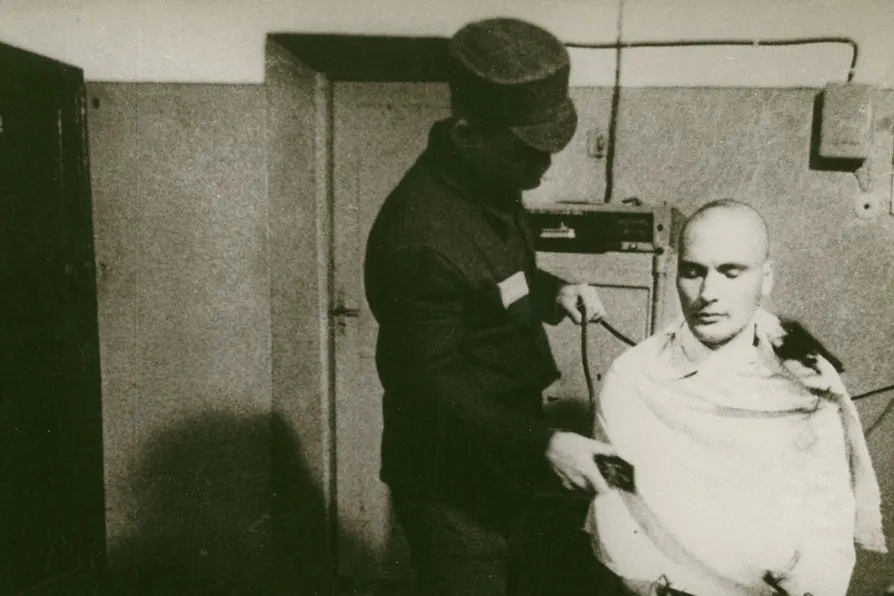
MARK COUSINS’S useful and provocative essay documentary The March on Rome begins with an examination of the “clunky” but influential propaganda film A Noi (To Us) made by Umberto Paradisi in 1922 to glorify the Italian Fascist coup d’etat, and ends with a shocking newsreel of an Italian partisan crushing the executed dictator’s face to pulp with his boot.
Around these events swirl an enormous historical context which Cousins barely touches: the Biennio Rosso (“two red years”) of 1919-20 — when Italian workers led a massive strike wave and occupied factories and shipyards, but which, in the absence of revolutionary leadership, was stalled by reformist unions, leaving a vacuum for fascism to fill; the 23-year legacy of Fascist rule: the suppression of democratic rights, the campaign of terror to crush the organised labour movement, the murderous colonial wars in the Balkans and North Africa, the participation in the Holocaust as an ally of Hitler and the role of communist partisans in the overthrow of the regime.
Cousins made the film because he was approached by Italian producers and he “couldn’t say no. It played to a number of my interests: the ‘spectacle’ of fascism, and the fact that I could use cinema to talk about how the visual culture of fascism worked then and maybe now.”

Similar stories
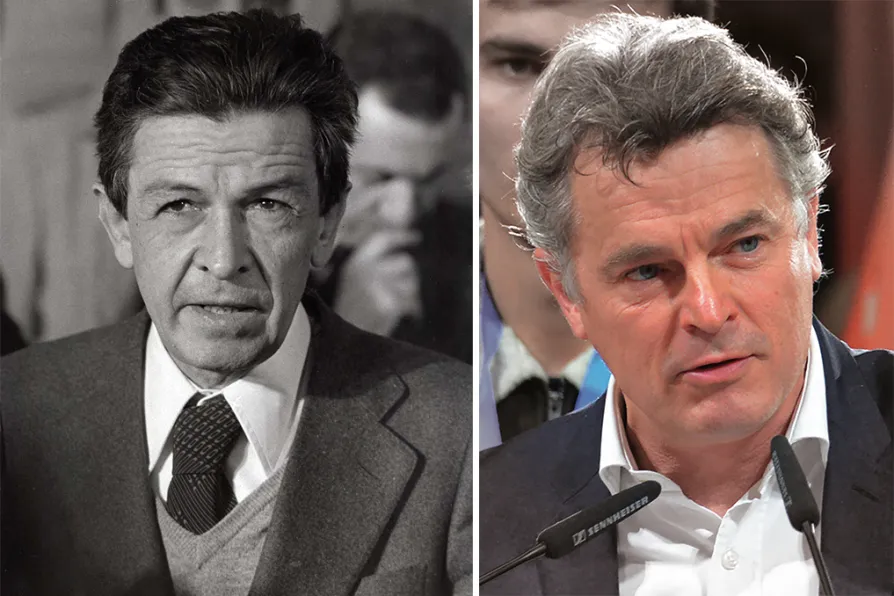
While Italy’s communist tradition remains fragmented and politically marginal, France’s party is attempting to re-establish itself as an independent force rooted in working-class organisation, says NICK WRIGHT

NICK WRIGHT continues his series analysing the trends in European politics
RITA DI SANTO talks to Scottish-Irish filmmaker MARK COUSINS about his new panorama of world cinema The Story of Documentary Film
Italians reject controversial judiciary reforms in a referendum that boosts the left, reports NICK WRIGHT