
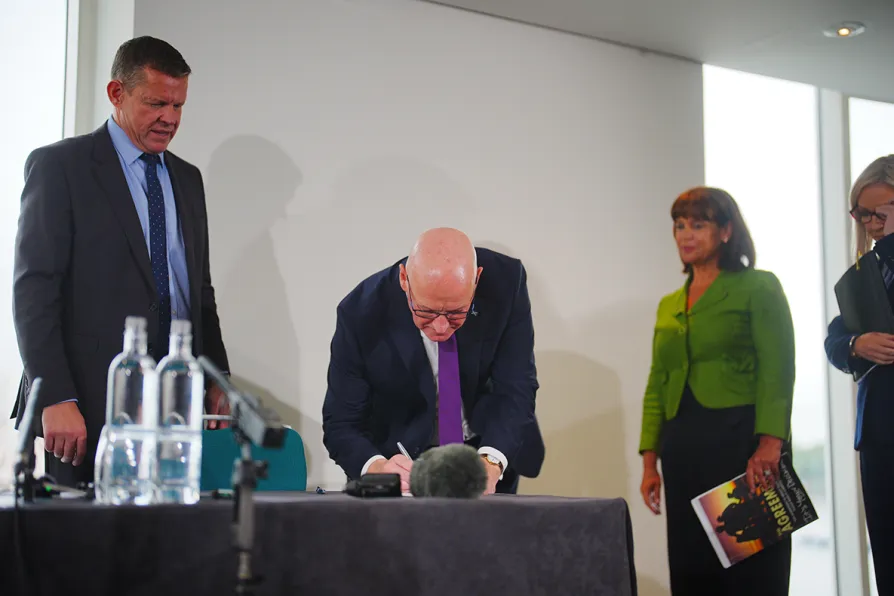
The UK Prime Minister may have the regal touch in northern England, but he’s been wrong-footed on the constitutional challenges posed by the Celtic Alliance of first ministers from Scotland, Wales and Northern Ireland, argues KENNY MacASKILL

Why is there an arms trade?
The arms industry is at the heart of capitalism today; we need to confront both, argues the MARX MEMORIAL LIBRARY
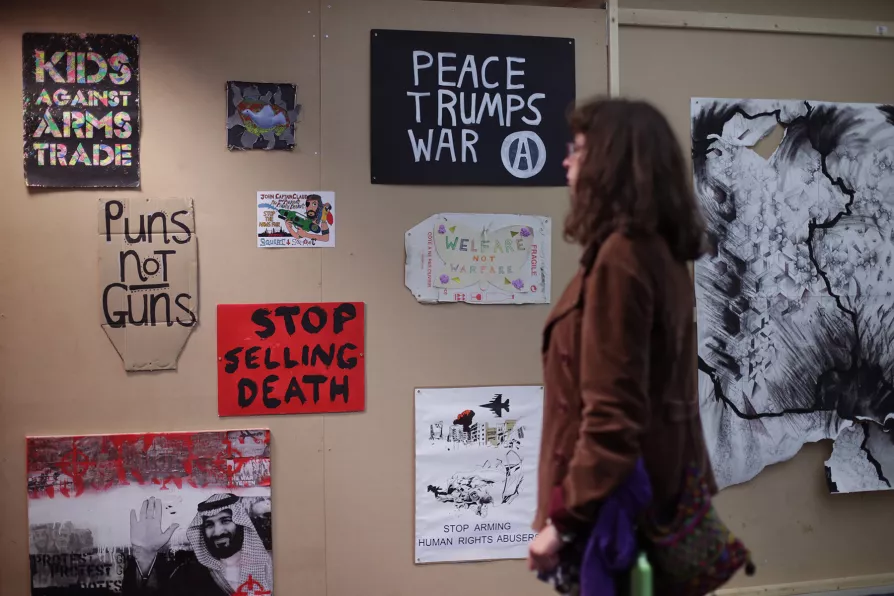
 Art on display at the Art the Arms Fair art exhibition, set up in opposition to the DSEI arms fair, at Capstan House in east London, 2017
NEIRLAY ANDRADE, a member of the Communist Party of Venezuela’s political committee, outlines her party’s position on the crisis facing the country
A look at Taylor Wimpey’s accounts shows why Labour’s market-led housing strategy won’t deliver more, cheaper homes, as promised, says SOLOMON HUGHES
DAVID HORSLEY remembers the remarkable life and death of US black revolutionary George Jackson, whose politically passionate prison letters were published as Soledad Brother
Cuban trade union federation CTC leader OSNAY MIGUEL COLINA speaks to Ben Chacko about life and work under a crippling US siege
A part of the British empire’s network of slavery, today the Caribbean island of Nevis faces a new form of exploitation in the form of crypto-colonialism, CLAUDIA WEBBE writes
Challenges from the unscrupulous misuse of AI to steal actors’ voice and physical likenesses is being met with a firm union response, writes LYNDA ROOKE





MILITARY conflict and conquest — and the manufacture and sale of arms — has always been central to capitalism. In 1577 Francis Drake set out to plunder Spanish settlements in South America in search of gold and silver. In the process he also challenged Dutch, Spanish and Portuguese interests in the East Indies.
Soon after the defeat of the Spanish Armada the (British) East India Company received its Royal Charter from Queen Elizabeth in 1600. In 1803 the company had a private army of over a quarter of a million — twice the size of the British army.
Following the defeat of Napoleonic France in 1815, Britain expanded its imperial holdings around the globe and its ruling class enjoyed a century of almost unchallenged dominance. The “Pax Britannica” was in fact a continual series of colonial wars, accompanying a rhetoric of “free trade” that gave British capital its dominant position in world commerce.

Similar stories
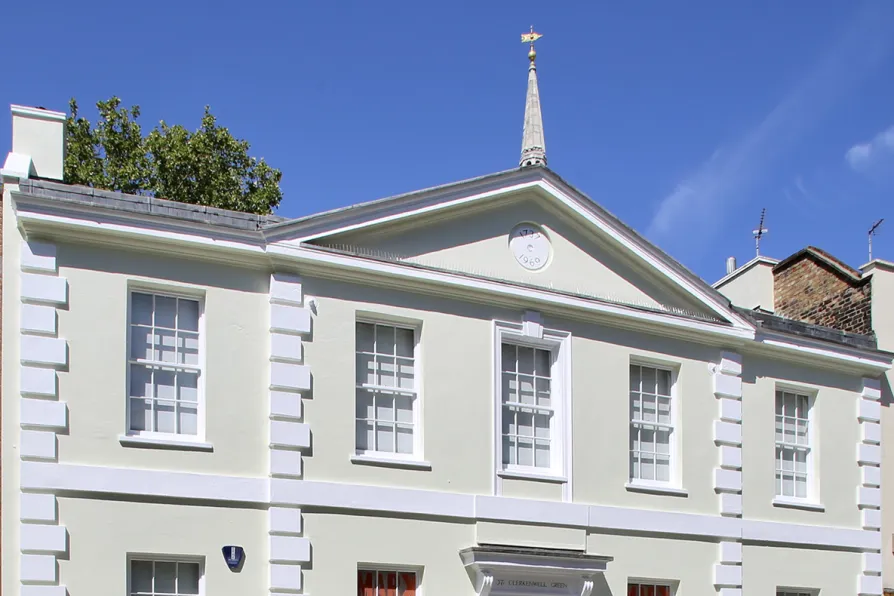
MML director MEIRIAN JUMP outlines the recently refreshed library’s busy autumn schedule that ranges from book sales, archival exploration, community work with online education and the ever popular site tours

Internationalism is deeply embedded in socialist theory and practice. Examination illuminates its complexity asserts the Marx Memorial Library and Workers’ School
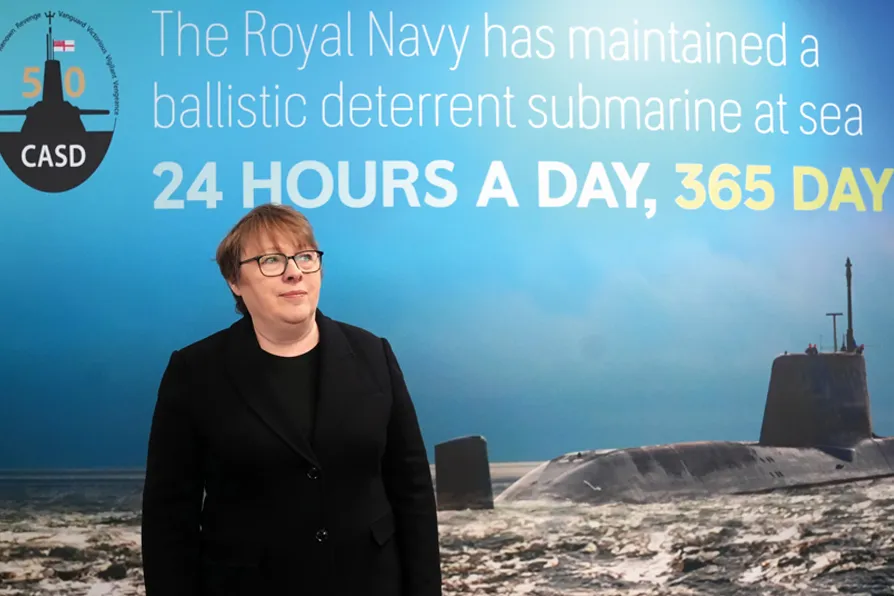
Expanding Britain’s nuclear capability increases the risk of nuclear confrontation. It does not keep us safe – it makes us a target, argues CAROL TURNER
The defence secretary’s resignation reveals not a split over principle but a dispute over pace of military spending, as Britain’s political Establishment unites behind deeper Nato commitments, argues NICK WRIGHT