Committee for the Defence of the Iranian People’s Rights general secretary GAWAIN LITTLE discusses the impact of the US-Israeli war on the Iranian people and economy


 Latest editorial

The colour of catastrophe
Coral reefs are currently undergoing the most extensive planet-wide bleaching on record, write ROX MIDDLETON, LIAM SHAW and MIRIAM GAUNTLETT
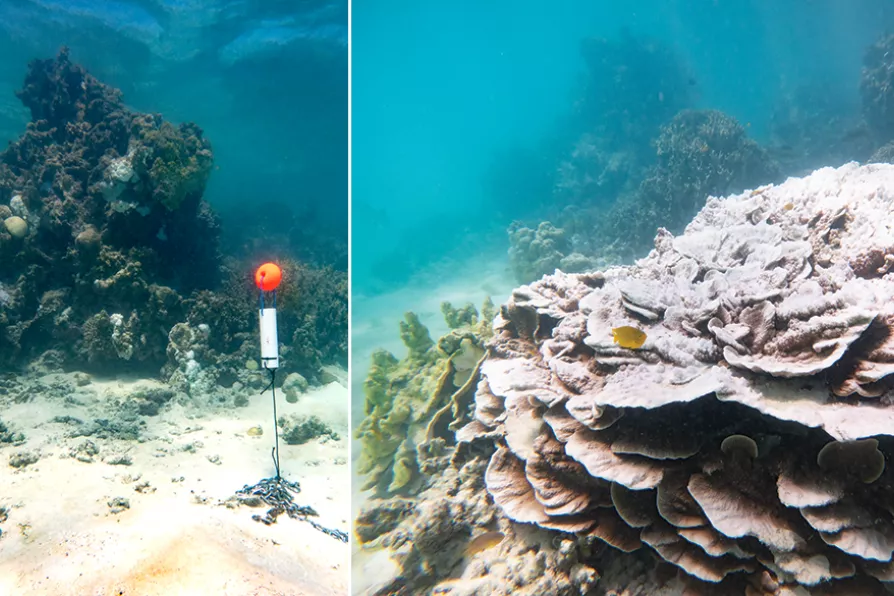 ARMAGEDON: (L to R) Bleached plate coral at One Tree Island, Great Barrier Reef; Temperature logger in situ, both pics April 2024
[John Turnbull/flickr/CC]
ARMAGEDON: (L to R) Bleached plate coral at One Tree Island, Great Barrier Reef; Temperature logger in situ, both pics April 2024
[John Turnbull/flickr/CC]
Capitalism has extracted itself from crisis before, argues PRABHAT PATNAIK – but through methods no longer available. So it is turning to authoritarianism, militarism and neocolonialism
The five young men killed in the A66 crash were responsible for a devastating tragedy — but the crash should force us to ask difficult questions about wider society, argues RENATA MEDEIROS MIRRA
Britain funds the policing of black culture 16 times better than the culture itself. The Diamond Jubilee is the moment to end that, argues CLAUDIA WEBBE
Despite Andy Burnham’s declaration defending the continued partition of the island, all major international and internal trends are converging to make Irish reunification inevitable
Humans are part of the ‘animal kingdom’ – and of nature in general – but also distinct from it and labour (work) is part of what makes us unique, declared Engels. His insights 150 years ago into how our species came to be and how we differ from the rest of nature, are as important today as they were then, says the MARX MEMORIAL LIBRARY





CORALS are symbiotic, meaning they depend on a relationship with another biological organism. Microbes called zooxanthellae live inside the structures corals build out of calcium carbonate.
The microbes photosynthesise, providing corals with energy and nutrients. They also give corals their characteristic vivid colours. However, when corals are placed under stress, they will expel their resident zooxanthellae, turning the coral white.
By far the most serious cause of this stress-related bleaching is warming water. Corals have a typical temperature range they are happy with, and when water temperatures exceed that — particularly for long periods — they bleach.
The bleaching is not merely an aesthetic concern: the expulsion of the zooxanthellae means the corals have lost their main source of food. They may not initially die but they are vulnerable, susceptible to disease and starvation. Longer periods of bleaching and they will die.
When the water temperature becomes too hot, a colourful reef can be transformed into a graveyard. The tropical paradise disappears; as corals die and turn white, a brown algal sludge spreads.

Similar stories
ALEX BROWN explains how medieval Europe was plunged into sunless years, with widespread crop failures and devastating famines
Climate extremes are becoming our new normal, says CHLOE BRIMICOMBE
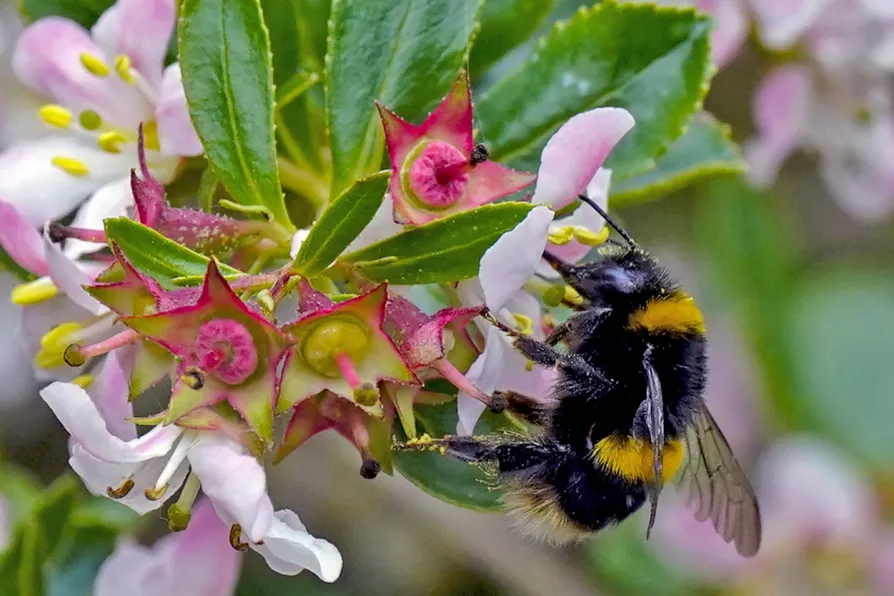
Rising temperatures and human activity are making life far harder for these vital pollinators. ALEX DITTRICH explains

Extreme heat is now one of the defining public health challenges of a warming world, explains Prof IAN WILLIAMS