
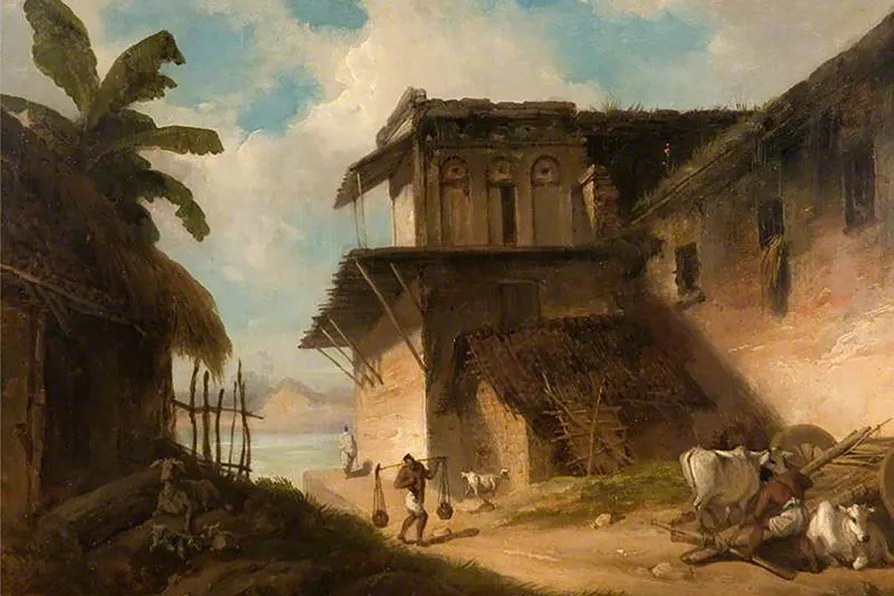
APURBA CHATTERJEE explains how British artists in India used the “picturesque” to reshape colonial landscapes and celebrate imperial power


How history suggests AI might be regulated
RUTH AYLETT has reservations about the political blindness of a new book about AI regulation, that is nevertheless useful
 ON THE SAME PAGE? Wikis in education: wiki theory, collaborative writing and AI images, seminar presented by Ziko van Dijk in in Belgrade, Serbia on May 28 2023
[Ziko van Dijk/CC]
ON THE SAME PAGE? Wikis in education: wiki theory, collaborative writing and AI images, seminar presented by Ziko van Dijk in in Belgrade, Serbia on May 28 2023
[Ziko van Dijk/CC]
PAUL DONOVAN welcomes a revival of Reginald Rose’s classic play that reminds us of the fundamental need for trials with juries
SIMON PARSONS applauds an exceptional performance of Wesker’s little-known play, by the same actor for whom it was written 45 years ago
ANDY HEDGECOCK and MARIA DUARTE review Late Fame, The Death of Robin Hood, Leviticus, and Gail Daughtry and the Celebrity Sex Pass
ANGUS REID recommends a uniquely accomplished documentary collage that contemplates our relation to the natural world
GORDON PARSONS enjoys Kant’s ‘mind-boggling’ theory of human reality: that we create the reality we experience





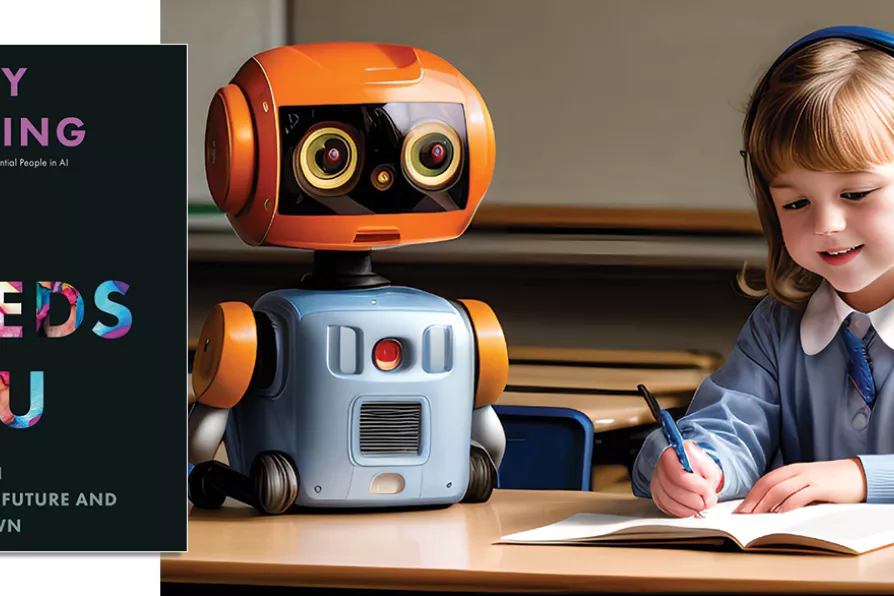
AI Needs You: How We Can Change AI’s Future and Save Our Own
Verity Harding
Princeton University Press, £20
THE long-running hype, and even moral panic, about the development and application of AI technologies has produced a hot topic for writers on technology.
This book takes a different approach from most previous works, neither subscribing to “doomerism” (as in “AI will wipe out humanity”) nor to the almost religious optimism of the big tech companies. Instead it examines past cases where technology has been controlled and regulated as guides to how “we” might deal with AI technologies.

Similar stories
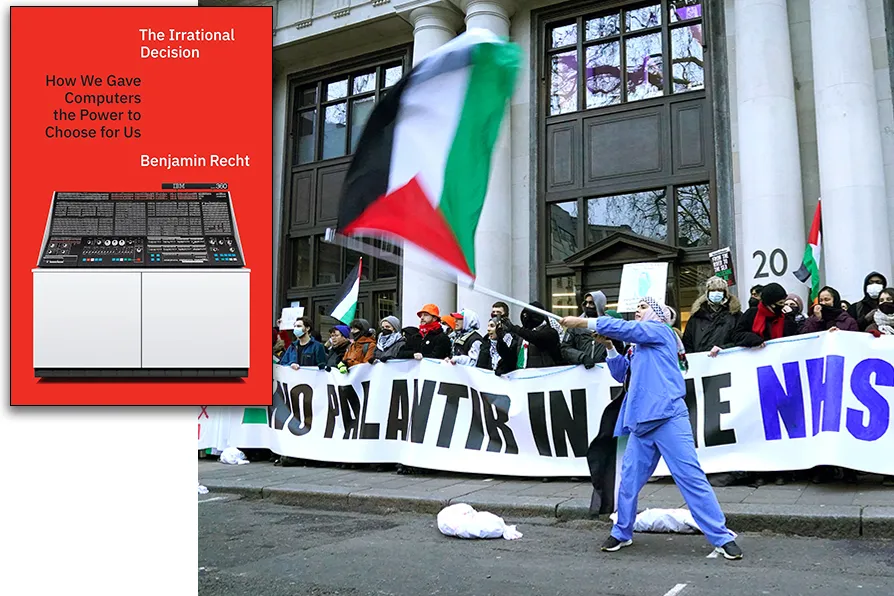
ANDY HEDGECOCK welcomes an entertaining, useful guide to the threats and promises of mathematical rationality
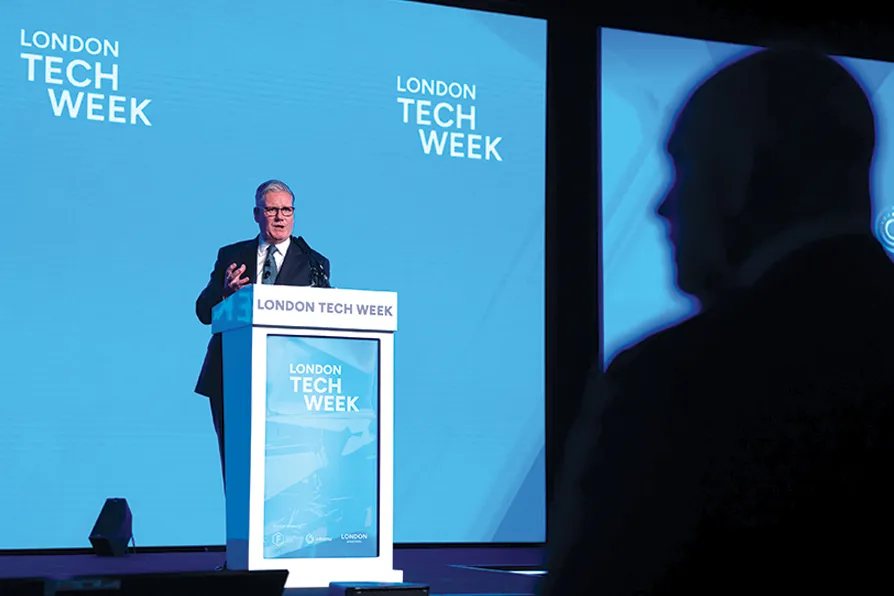
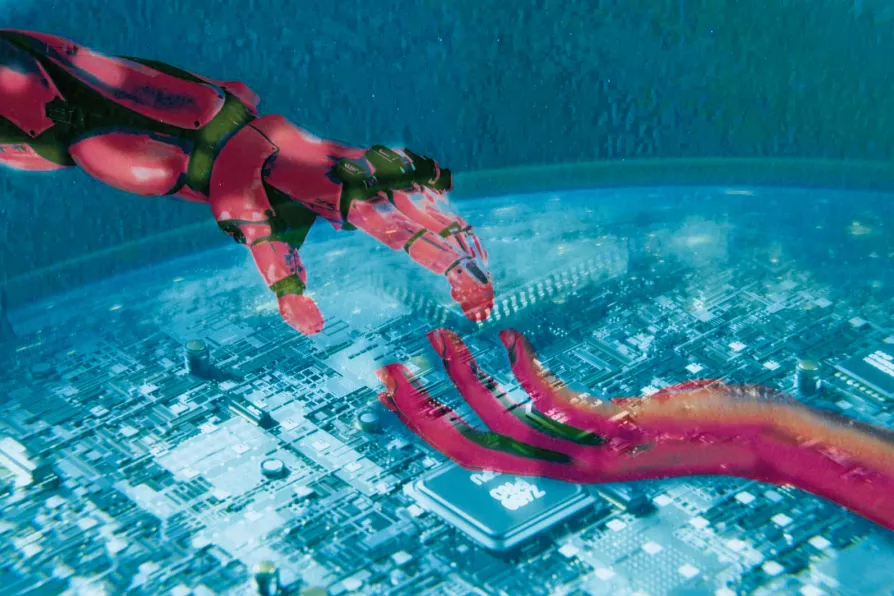
In the second and final part of his article MIKE SCOTT posits that if we don’t control AI while we’ve got the chance, we could be signing the death warrant for our children and grandchildren
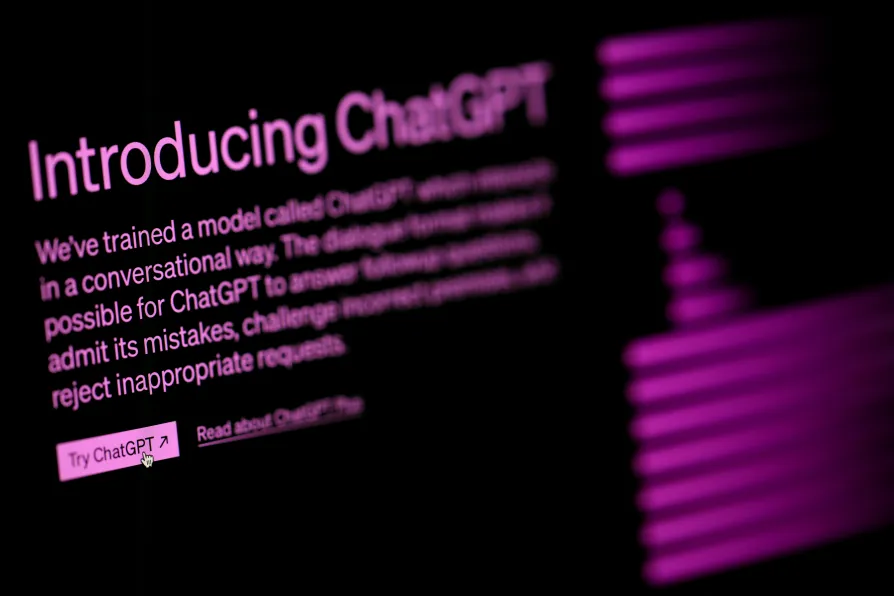
MIKE SCOTT assesses the AI threat to jobs in the first of a pair of articles on the problems it poses