Trade unions need to step up and force a turn in the policies of the labour movement to effectively confront the far-right threat, argues NICK WRIGHT


 Latest editorial

Hiroshima remains a stark warning in an age of nuclear brinkmanship
As tensions rise in Ukraine and Gaza, KATE HUDSON argues that Western militarisation and Nato expansion bring us closer to nuclear catastrophe — we must heed the lessons of history
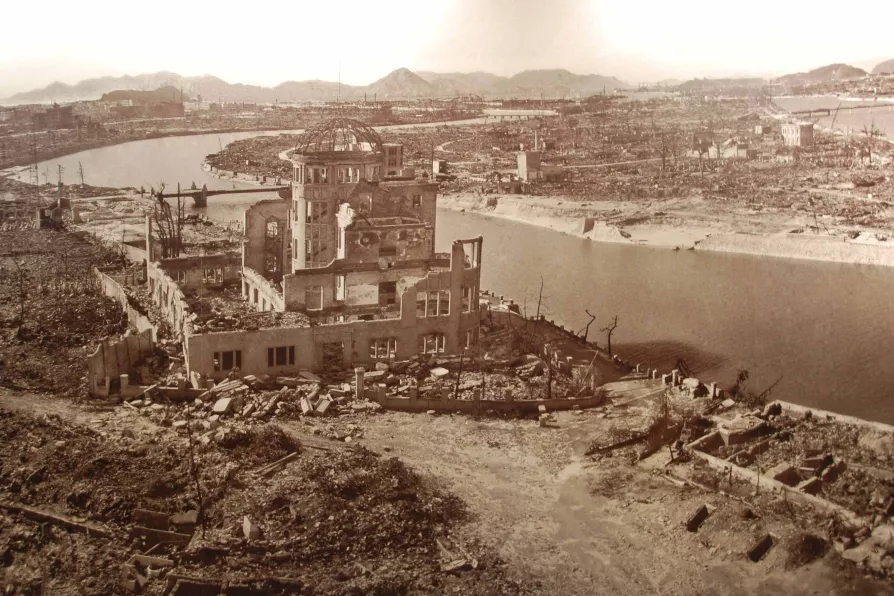 The complete destruction brought about by the atomic bomb on August 6 1945 at exactly 8.15 am. The building still somewhat standing is the Hiroshima Prefectural Industrial Promotion Hall, one of the very few structures that weren't completely obliterated
[Maarten Heerlien/Creative Commons]
The complete destruction brought about by the atomic bomb on August 6 1945 at exactly 8.15 am. The building still somewhat standing is the Hiroshima Prefectural Industrial Promotion Hall, one of the very few structures that weren't completely obliterated
[Maarten Heerlien/Creative Commons]


As the 90th anniversary of the outbreak of the Spanish civil war is marked, Teesside campaigners will gather to remember the local men and women who stood against fascism, explains TONY FOX
Whatever differences exist among international sympathisers of the Bolivarian revolution about its current trajectory, they should unite against the imperialist power that is the source of an enforced retreat, argues ROGER D HARRIS
Washington’s inability to subjugate Iran is an example of how it is trying to preserve a regional order that no longer exists, argues RAMZY BAROUD
US financial instability is exposing the limits of a dollar-dominated global economy — and giving the Global South a historic chance to build an alternative, says MURAD QURESHI
Deprivation is a fundamental factor in criminal behaviour that must be addressed but, KENNY MacASKILL argues, there needs to a major rethink in sentencing to tackle overcrowding





IT IS 79 years since atomic bombs were dropped on Hiroshima and Nagasaki. Those war crimes, perpetrated by the US, will never be forgotten; we honour the memory of all the lives tragically cut short, and we pay tribute to the Hibaksha — the survivors — and their work for a nuclear weapons-free world. In their name, we recommit today to achieving the global abolition of nuclear weapons.
And never has this work been more important. We cannot allow the horrors of Hiroshima and Nagasaki to be repeated, yet we seem to be heading inexorably in that direction. There are two major conflicts ongoing which raise the risk of nuclear war or nuclear use.
First, in Ukraine, where the possibility of a conflict between Russia and Nato increases almost daily; more nuclear weapons are being stationed in Europe, with US nuclear weapons scheduled to return to Britain in the near future, and Russian nuclear weapons are now stationed in Belarus as a result.

Similar stories
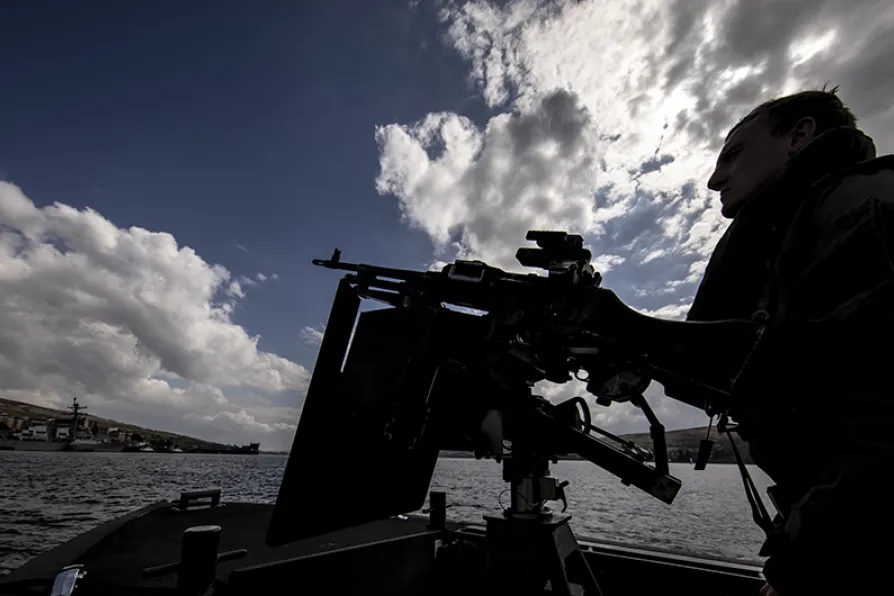
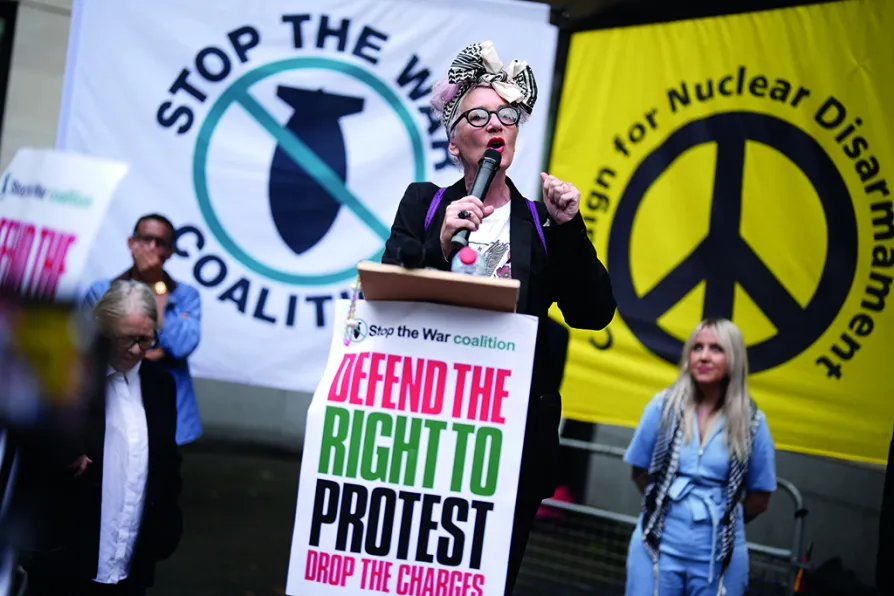
On Hiroshima Day, Campaign for Nuclear Disarmament general secretary SOPHIE BOLT explains why the danger of nuclear conflict is growing daily
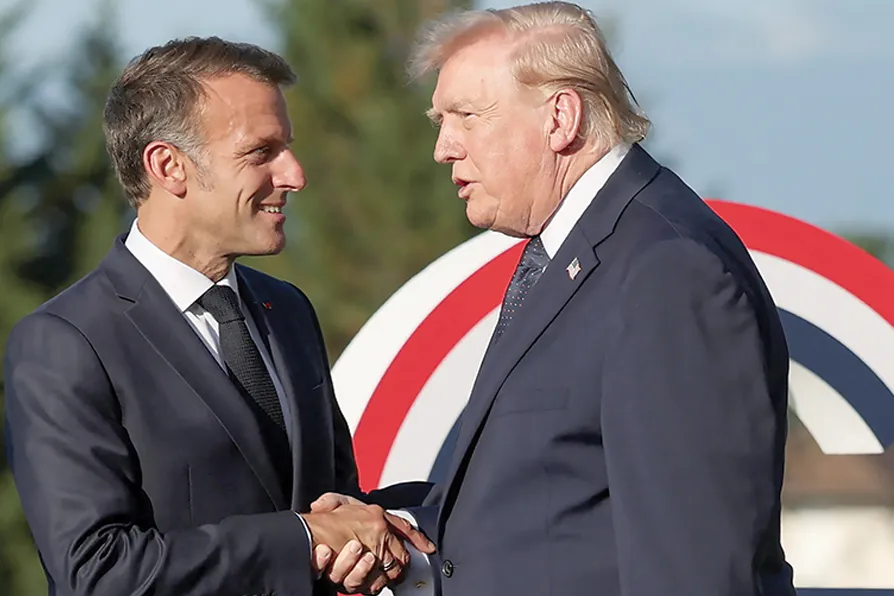
While millions face poverty and public services are squeezed, France is committing billions to defence spending and weapons production, in a dangerous shift towards permanent preparation for war, says CONOR BOLLINS

We need a government that invests in saving lives not destroying them, argues SOPHIE BOLT