

 Latest editorial

 Tom Tugendhat lolly pop on display ahead of the Conservative Party Conference at International Convention Centre in Birmingham, September 29, 2024






THE last time the Tory Party was in opposition it spent years trying to find a leader who might inspire in the British people feelings other than contempt, hostility or indifference.
Each of the oddities they came up with began with the latter before evoking hostility and then contempt.
William Hague, around whom an annoying air of fifth-form prefect always hung, is now ennobled. He was replaced by Iain Duncan Smith, late of the Scots Guards, who even today conforms still to the model other ranks derisively call a Rupert. That this relic is still in Parliament is entirely due to Keir Starmer who, in 2024, deselected the estimable Faiza Shaheen who would certainly have won the Chingford seat and came close to do so running as an independent.
Michael Howard, in comparison to his predecessor, had more about him. His main achievement was to put the Lib Dems in their place and pave the way for his former bag carrier, David Cameron, to become leader.
Cameron was able to appeal to an electorate that had had enough of New Labour and had no sense that the coming Tory-Lib Dem government would be a coalition of austerity and betrayal.
It barely seems possible that this post-defeat election for Tory leader has spawned an even odder collection of characters. Predictably, the leading contenders reach out for the reactionary issues which animate the Tory Party membership.
Robert Jenrick says he wants a cap on net migration in the “tens of thousands.”
Despite his calculated anti-immigration rhetoric — “I don’t agree that the age of mass migration has made our country richer” — his pitch tempers traditional Tory tropes with an ear to the employers’ desire for a managed flow of exploitable labour.
Kemi Badenoch chose her interview with the BBC’s Laura Kuenssberg to dance around a contemporary rendering of old-fashioned British ethnic nationalism combined with an atavistic appeal to a value system that echoes Thatcher’s old refrain that there is no such thing as society.
She appears innocent of the contradiction between her code words — “shared culture and a shared identity” — and her rejection of the collectivist impulse that every existing culture has harboured since the use of tools and agriculture appeared among us.
Her barely disguised appeal to perhaps the most reactionary constituency in British politics is of a piece with her stance on family and state.
Arguing that maternity pay is “excessive” and people should exercise “more personal responsibility,” she wants the state to do less, as “the answer cannot be let the government help people to have babies.”
Her opponents, including Jenrick, have distanced themselves from her stand on maternity pay.
The other two candidates, James Cleverly and Tom Tugendhat, one of whom will drop out this round, are both appealing to a constituency that is wearied of Tory Party infighting, with Cleverly perhaps less likely to woo enough Tories to win.
Tonbridge MP Tugendhat is the most Establishment of the contenders in that he hopes to transcend Tory Brexit divisions while appealing to the most Atlanticist elements.
For a working-class observer this issue of who wins this contest is of only passing interest. Even our ruling class is less invested in this than it is in Keir Starmer’s premiership.
More a man of the Establishment, even of the deep state, than any of the Tory candidates, Starmer is the figure in whom our ruling class has the most confidence to maintain the stability of the system and the continuity of its economic and foreign policies.
That this necessarily entails some compromises with the working class and the wider electorate is a perfect example of just how the system maintains itself.

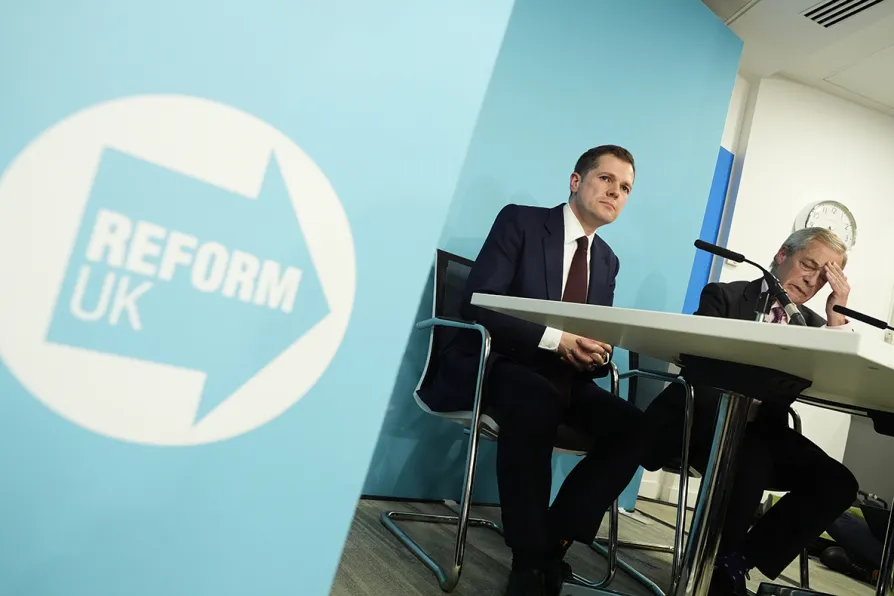
Once derided by Farage as a ‘fraud,’ Jenrick has defected to Reform, bringing experience and political ruthlessness to the populist right — and raising the unsettling prospect of a Farage-led movement with a seasoned operative pulling the strings, says ANDREW MURRAY

The Tory conference was a pseudo-sacred affair, with devotees paying homage in front of Thatcher’s old shrouds — and your reporter, initially barred, only need mention he’d once met her to gain access. But would she consider what was on offer a worthy legacy, asks ANDREW MURRAY
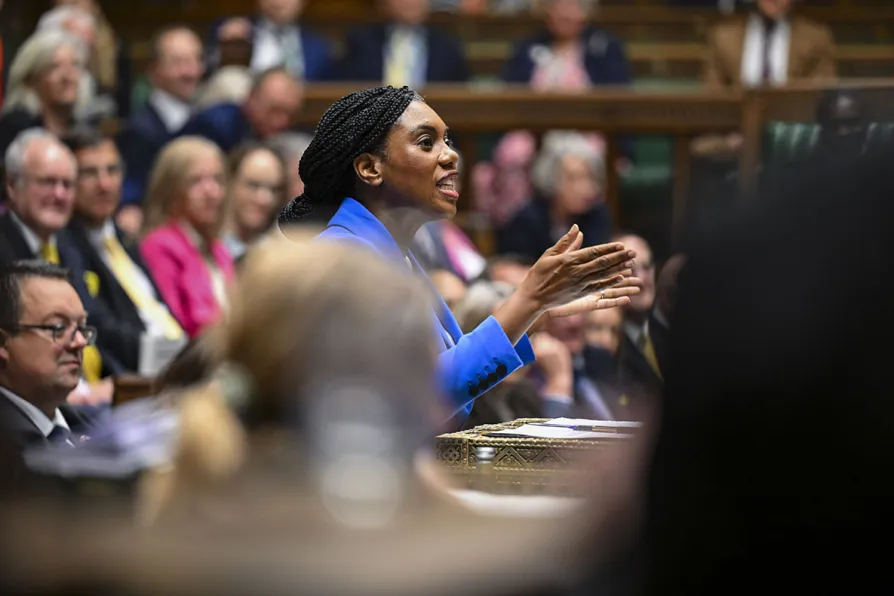
The Tories’ trouble is rooted in the British capitalist Establishment now being more disoriented and uncertain of its social mission than before, argues ANDREW MURRAY

Reform’s rise speaks to a deep crisis in Establishment parties – but relies on appealing to social and economic grievances the left should make its own, argues NICK WRIGHT