DOUG NICHOLLS says the parasitic finance markets must be challenged or another British government could be toppled


 Latest editorial

Storm Bert: forgotten Welsh towns drown in neglect
As waters rise and defences fail, working-class communities abandoned by Westminster face nature’s fury while in a bitterly ironic turn, the descendants of miners pay the price for the legacy fossil fuels, writes GUTO DAVIES
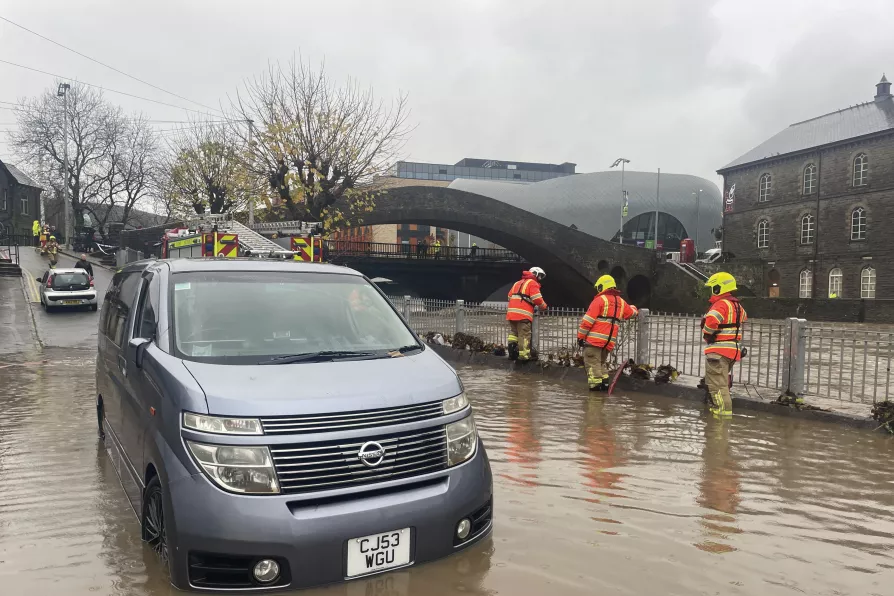 SUBMERGED: Firefighters pump water from Sion Street by the River Taff, in Pontypridd, November 24

The late country singer’s Imagination Library has put hundreds of millions of books into children’s hands. We should build on that legacy by defending the libraries at the heart of our communities, says BRENDA AITCHISON
Deprivation is a fundamental factor in criminal behaviour that must be addressed but, KENNY MacASKILL argues, there needs to a major rethink in sentencing to tackle overcrowding
MML director MEIRIAN JUMP outlines the recently refreshed library’s busy autumn schedule that ranges from book sales, archival exploration, community work with online education and the ever popular site tours
Some thinkers and authors on the right are openly discussing the possibility that the historically successful party of the British ruling class may be exhausted
Class struggle is the motor of history but the direction and detail of change at any time and place is the outcome of many factors, suggests the Marx Memorial Library and Workers’ School
TONY BURKE surveys the shifting political landscape and the challenges Labour needs to address if it is to prevail in the 2028 federal elections





ON the morning of Sunday November 24 this year, the village in which I live, Trehafod, was under siege from a rising tide of water.
Following the worst of Storm Bert through the night, the only roads into Trehafod from north and south, along with the railway line, were all closed due to flooding.
In the meantime, the river Rhondda to the west was rising at an alarming rate, while to the east, culverts were gushing fiercely down the rocky mountainside. The village felt like a perilous place to be, with no escape route.

Similar stories
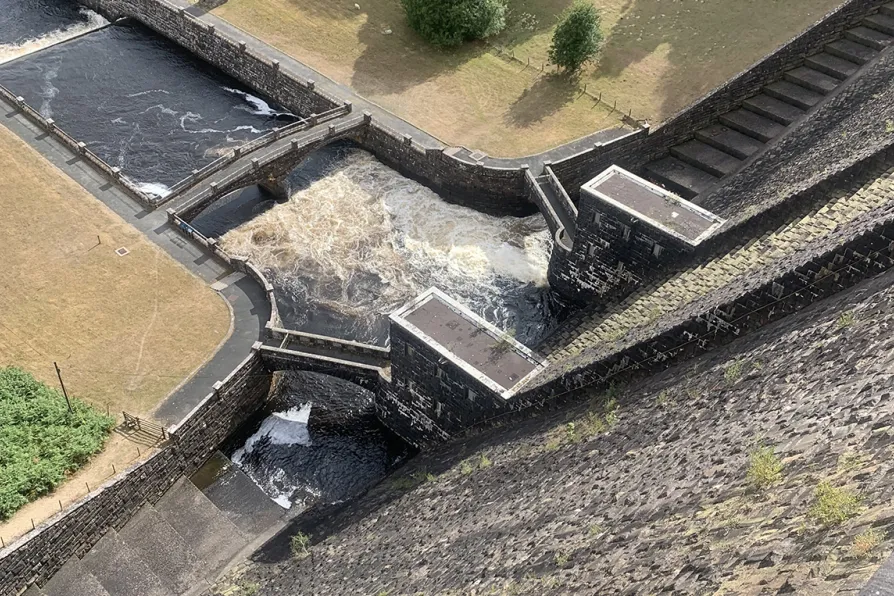
Welsh wanderings showcase fiery destruction, alternative water ways and revive memories of a local mining legend, writes MARK SEDDON


GUTO DAVIES reports on a placing of a third commemorative plaque in Tonypandy in remembrance of left-wing militancy
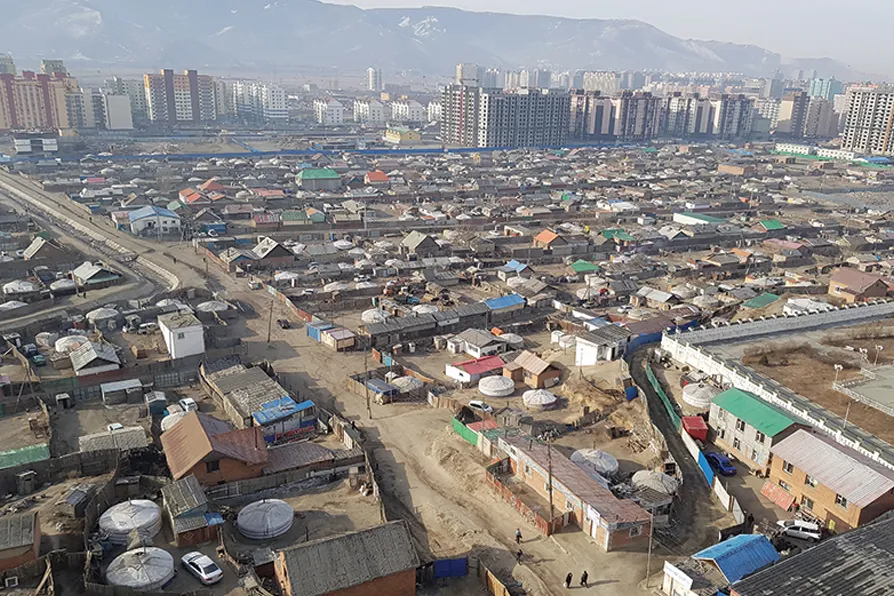
Coal-fired stoves in traditional homes are the primary source of extreme levels of air pollution in over-crowded Ulaanbaatar. As more people become climate-displaced, the situation is likely to worsen, write SCIENCE AND SOCIETY