ROB WARZYNIAK wades knee deep through a pile of ‘dead canaries’ of Trumpist policies which exacerbated the horrors of US capitalism domestically


 Latest editorial

Keeping plants alive in drought
MAT COWARD says the heatwave is a testing time for gardeners — but he has some tips

Without evidence or Nato consultations Berlin’s answer to the Leipzig incident is a rupture of relations. SEVIM DAGDELEN examines why
FRANCISCO DOMINGUEZ introduces the background to a conference on defending Latin America’s sovereignty
The glacier collapse in Nepal is yet another warning that a warming planet is making Himalayan disasters more frequent and destructive – but the countries facing the greatest risks are often those least responsible, says LI YANG
Nick Blair is set to benefit from a hugely lucrative contract to ‘virtually’ train the British army for its next war. Like father, like son, writes SOLOMON HUGHES
Even when tragedy strikes, Western media cannot resist the opportunity to turn it into a sordid propaganda opportunity, as the Nepal-China border tragedy shows, writes CARLOS MARTINEZ
Trade unions should be at the heart of the anti-racist push for reparations for the historic legacy and continuing impact of slavery, writes ROGER McKENZIE





THERE’S no hosepipe ban where I live — the reservoirs are still at healthy levels from one of our wettest winters on record. That’s how it goes in a “whiplash” climate: during the worst heatwave ever there are people who still haven’t been able to move back into their flooded homes.
Of course, if the water companies hadn’t been privatised, and therefore hadn’t closed down dozens of reservoirs, we might all be coping a bit better. I wonder if Andy Burnham realises that he’s got about six weeks, at the absolute maximum, to convince the nation he’s doing something about all this before the groundswell to get rid of him begins in earnest?
Even with the freedom to use a hosepipe, all I’m able to do is keep plants alive, not thriving. Watering is rarely a satisfactory alternative to rainfall. If you can get hold of a seep-hose (also known as a porous hose, drip hose or leaky hose), which slowly releases water along its entire length, it’s worth running it overnight, attached to a tap or a water butt. During daytime the moisture will mostly evaporate in the heat, but at night more of it will get to the roots.
For those growing in containers, a cheap children’s paddling pool can be a lifesaver. Fill it with three or four inches (8-10cm) of water, put your pots in it, and lightly water the surface of their compost. Once the compost is saturated remove the pots from the pool — if you left them in there too long, unable to drain, the roots would rot.
Rotate the pots through the pool every couple of days, to keep them permanently moist. This is often the only way to get a decent crop of, for instance, potatoes during a drought. Remember to put a large stone or a plank in the paddling pool, to allow animals like hedgehogs and frogs an escape route.
Something else that can help with crops in containers, and to a lesser extent the open ground, is to cover the surface with a mulch of wet newspaper, with a layer of dry paper on top to delay evaporation.
Despite the conditions my tomatoes and cucumbers are doing well, because I grow them in self-watering units. These are essentially small, plastic reservoirs that soak a wick of capillary matting which is fed into the compost in the plant’s container. They can be quite expensive to buy, but it’s possible to make DIY versions; the internet has plenty of advice.
Over the next couple of weeks I’ll be sowing turnips, hoping that I’ll be able to keep them watered until the longed-for autumn rains. Any maincrop variety will do, but my favourites are the Japanese types, especially one called Tokyo Cross. They are very fast growers, harvested when they’re about the size of ping-pong balls. Round and pure white, with edible leaves as a bonus, they have remarkably sweet, tender flesh for eating raw, cooked or pickled.

Similar stories

Climate extremes are becoming our new normal, says CHLOE BRIMICOMBE
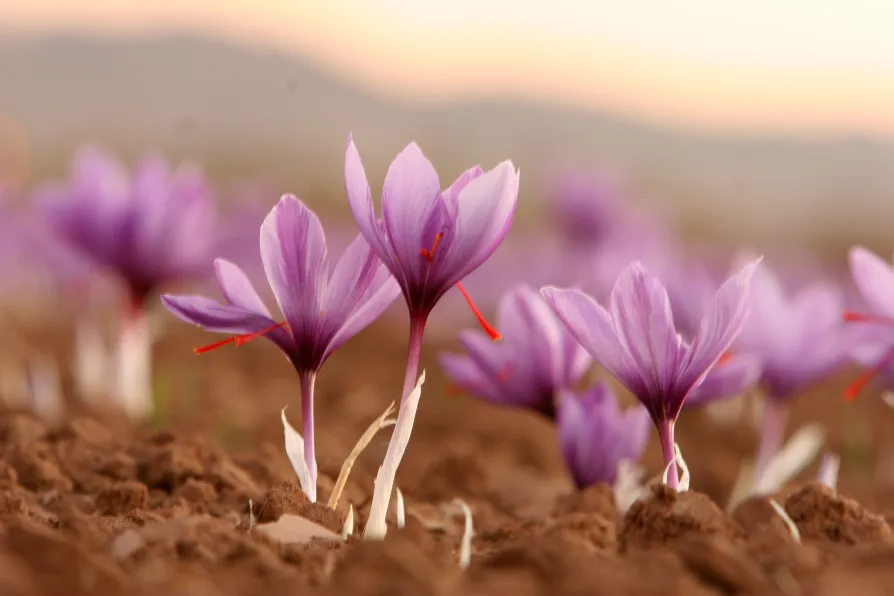
More expensive by weight than gold, saffron is surprisingly simple to grow. MAT COWARD explains
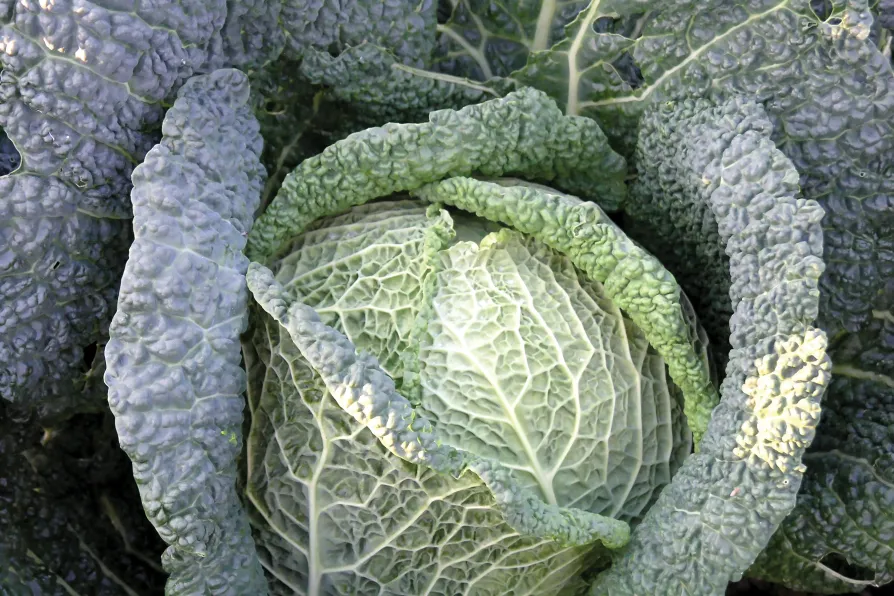
MAT COWARD takes a look at some of the options for keen gardeners as we enter 2026
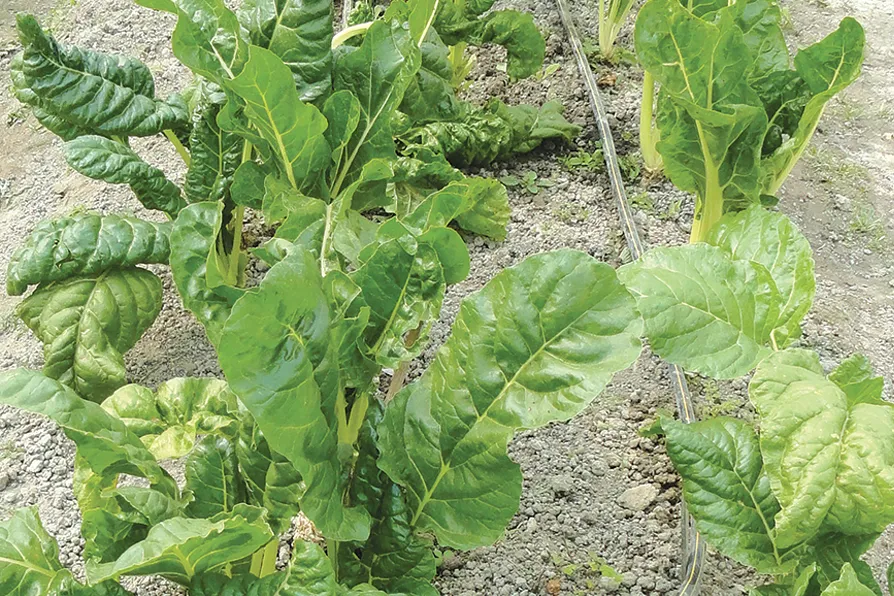
MAT COWARD sings the praises of the Giant Winter’s full-depth, earthy and ferrous flavour perfect for rich meals in the dark months