Internationalism is deeply embedded in socialist theory and practice. Examination illuminates its complexity asserts the Marx Memorial Library and Workers’ School


 Latest editorial

Javier Milei: back to the future in Argentina
Riding to power on a wave of anger at the dire state of the economy, the ranting extremist is no true rebel — he plans to radically enforce the same neoliberalism that has failed before, explains BERT SCHOUWENBURG
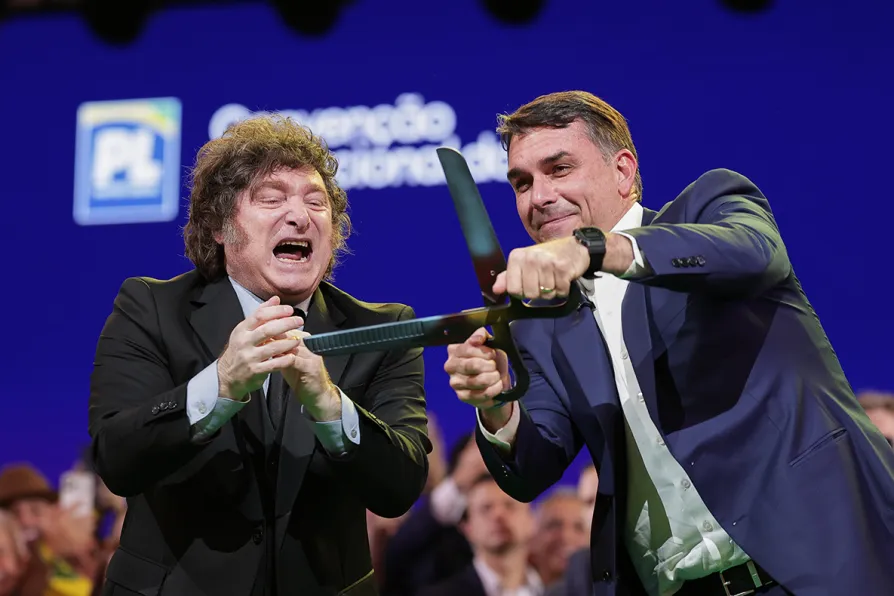
 Javier Milei speaks after his victory over Sergio Massa, Economy Minister and candidate of the ruling Peronist party, in a presidential run-off election in Buenos Aires, Argentina, November 19, 2023

The new TUC Cymru general secretary speaks to Morning Star Wales reporter David Nicholson about her trade union background and ambitions for the movement
The Claudia Sheinbaum government is no pushover and is holding firm despite US abuses of the relationship, says DAVID RABY
As we approach the grim anniversaries of Hiroshima and Nagasaki, SIMON BARROW sounds the alarm over the dangerous and murderous direction our government is heading
The new PM may offer more of the same, but early signs on his housing policies look promising, says GLYNN ROBBINS
CLAUDIA WEBBE argues that Burnham’s U-turn on tackling greedy landlords has let the country down





APART from president-elect Javier Milei, perhaps the happiest man in Argentina is US ambassador Marc Stanley who was quick to congratulate the far-right, self-styled libertarian on his stunning election victory on November 19.
In a tweet, he said that he hoped that their two nations could work together for the benefit of both countries, including in the protection of human rights, democracy and the fight against climate change, none of which are of the slightest interest to either of them.
The US already has considerable influence in Argentina, particularly in the agricultural sector which is dominated by the production of genetically grown soya beans drenched in carcinogenic agrochemicals produced by US multinational corporations.

Similar stories
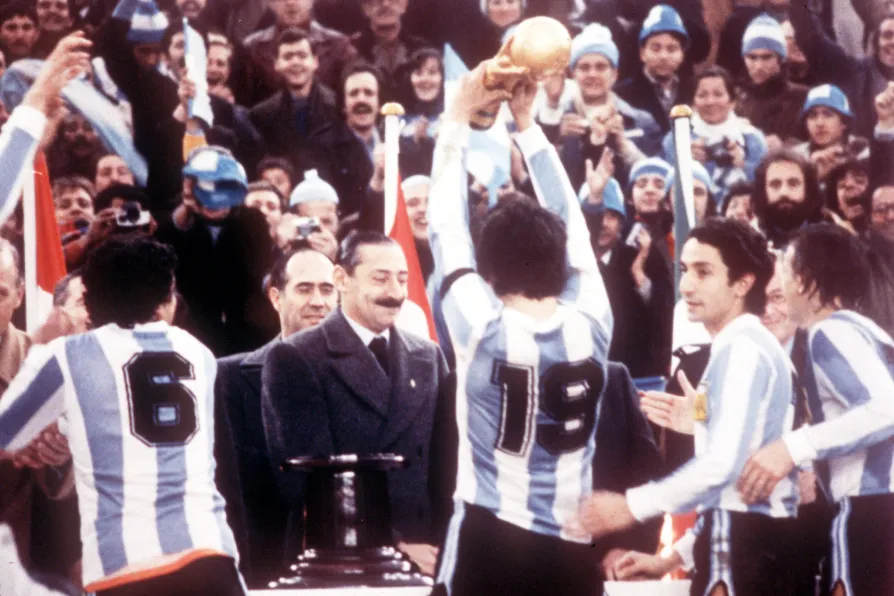
Football may not solve the working class’s problems, but it does matter — and politicians know it, writes BERT SHOUWENBURG

As six out of 10 Argentines don’t vote for Milei LEONEL POBLETE CODUTTI looks at the country’s real crisis that runs far deeper than just the ballot box