

 Latest editorial

 An Afghan couple sit near their damaged home after heavy flooding in Ghor province in western Afghanistan, Saturday, May 18, 2024






EXTREME weather attributed to the El Nino phenomenon is causing a surge in hunger in several countries, including Zambia and Afghanistan, the World Food Programme (WFP) has said, urging donors to provide badly needed help.
El Nino is a natural, temporary and occasional warming of part of the Pacific Ocean that shifts global weather patterns. Studies say that as the world warms, the effects may grow stronger.
In a statement, the WFP warned on Wednesday that southern Africa was the “epicentre of the crisis” following a cycle of floods and drought that has battered the region over the last three years.



The future does not have to be climate chaos and social breakdown. MARC VANDEPITTE looks at the alternatives offered by the Global Justice Report, co-authored by Thomas Piketty

Extreme heat is now one of the defining public health challenges of a warming world, explains Prof IAN WILLIAMS
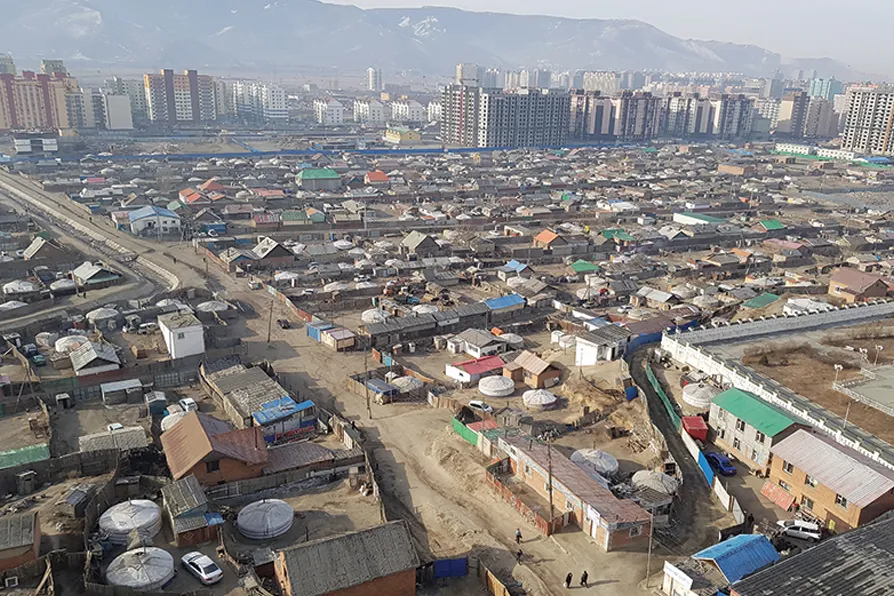
Coal-fired stoves in traditional homes are the primary source of extreme levels of air pollution in over-crowded Ulaanbaatar. As more people become climate-displaced, the situation is likely to worsen, write SCIENCE AND SOCIETY