Latest editorial





ISRAEL has shared “serious security concerns” with the White House over the proposed disarmament deal with Hamas, according to an Israeli official.
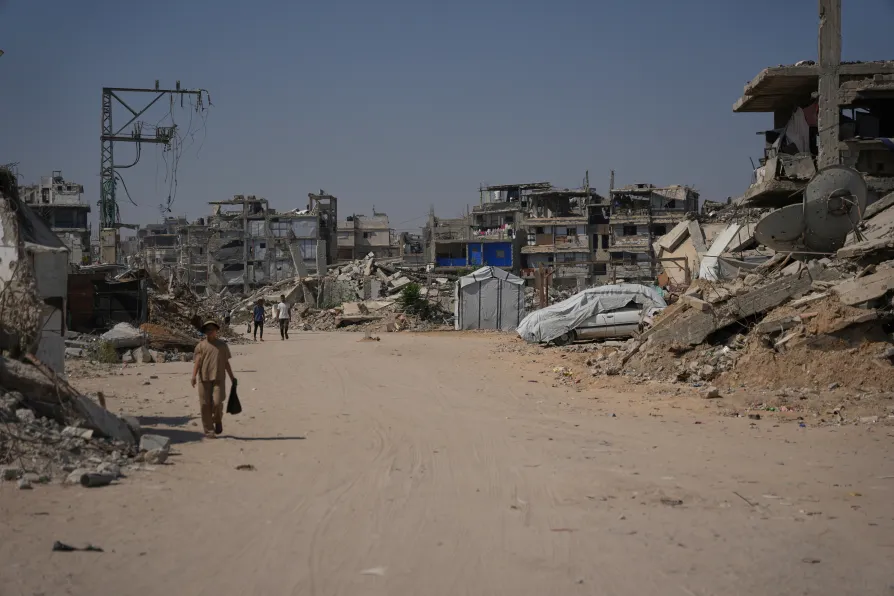
Sunday’s remarks by Doron Spielman, spokesman for Israeli Prime Minister Benjamin Netanyahu’s office, came as Israel continued to mount heavy attacks on Gaza, killing at least 17 people, including children.
In some of the first public comments since US President Donald Trump announced the agreement, Mr Spielman said Israel’s intelligence assessment was that Hamas remained committed to rebuilding its forces rather than genuinely demilitarising.
He said Israeli military would not withdraw from Gaza, where it controls more than 60 per cent of the territory, before Hamas disarms.
“Our assessment is that if we redeploy before Hamas is truly disarmed, it will quickly expand its presence throughout Gaza, rebuild its terrorist infrastructure, once again threaten Israeli communities and seek to carry out another October 7-style attack,” he said.
“Disarming means physically giving up the weapons. Nothing less.”
According to a source familiar with the deal, the Israelis raised two other issues: demanding that Qatar and Turkey not be involved in verifying the stages of the agreement and that Hamas’s weapons be destroyed after confiscation.
Hamas said last Friday that it would begin disarming as part of the US-brokered ceasefire signed nine months ago to end the nearly three-year-long conflict.
The pledge marks a potential breakthrough in ending the conflict, but many hurdles, conditions and long timelines remain.
Washington’s ceasefire plan calls on the Palestinian resistance group to surrender its weapons and destroy its vast network of tunnels.
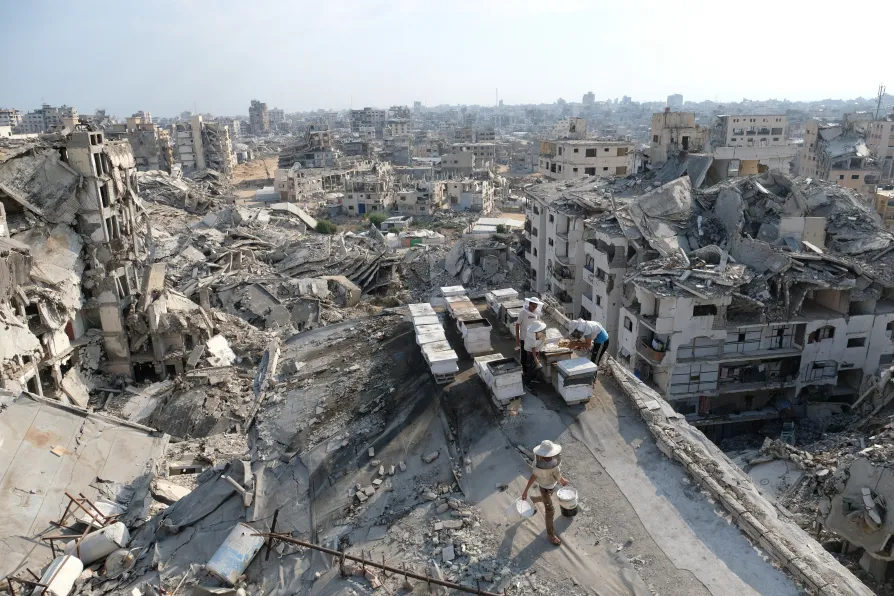
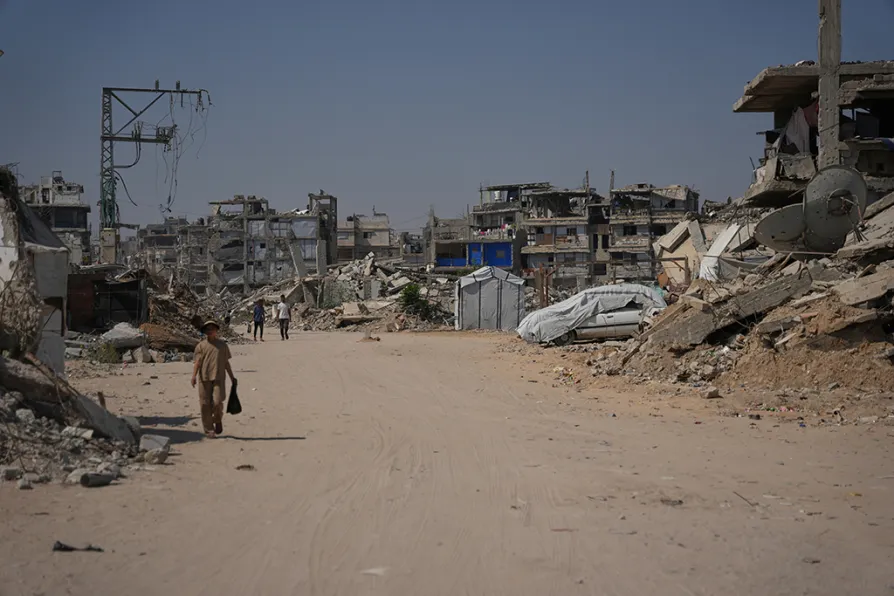
It also provides for a withdrawal of Israeli forces from Gaza, the arrival of a new technocratic Palestinian government, deployment of an international security force and the rebuilding of the battered coastal enclave.
In addition, the agreement includes a provision for all weapons held by the Hamas-run police to be transferred to the US-backed Palestinian technocratic committee, known as the National Committee for the Administration of Gaza, upon its arrival in the enclave.
It’s not clear when that would happen since it is contingent on other steps.
A process to decommission and store heavy weapons and to dismantle military production sites and tunnels will begin after the arrival of the Palestinian committee and the deployment of international forces.
The process will be linked to a phased Israeli withdrawal, according to the agreement.
Israel appears unlikely to pull back significant forces or make other concessions ahead of its October elections.